Is the term 'wellness' problematic?
Peer reviewed by Dr Sarah JarvisLast updated by Lydia SmithLast updated 19 Dec 2021
Meets Patient’s editorial guidelines
- DownloadDownload
- Share
- Language
- Discussion
- Audio Version
- Add to preferred sources on Google
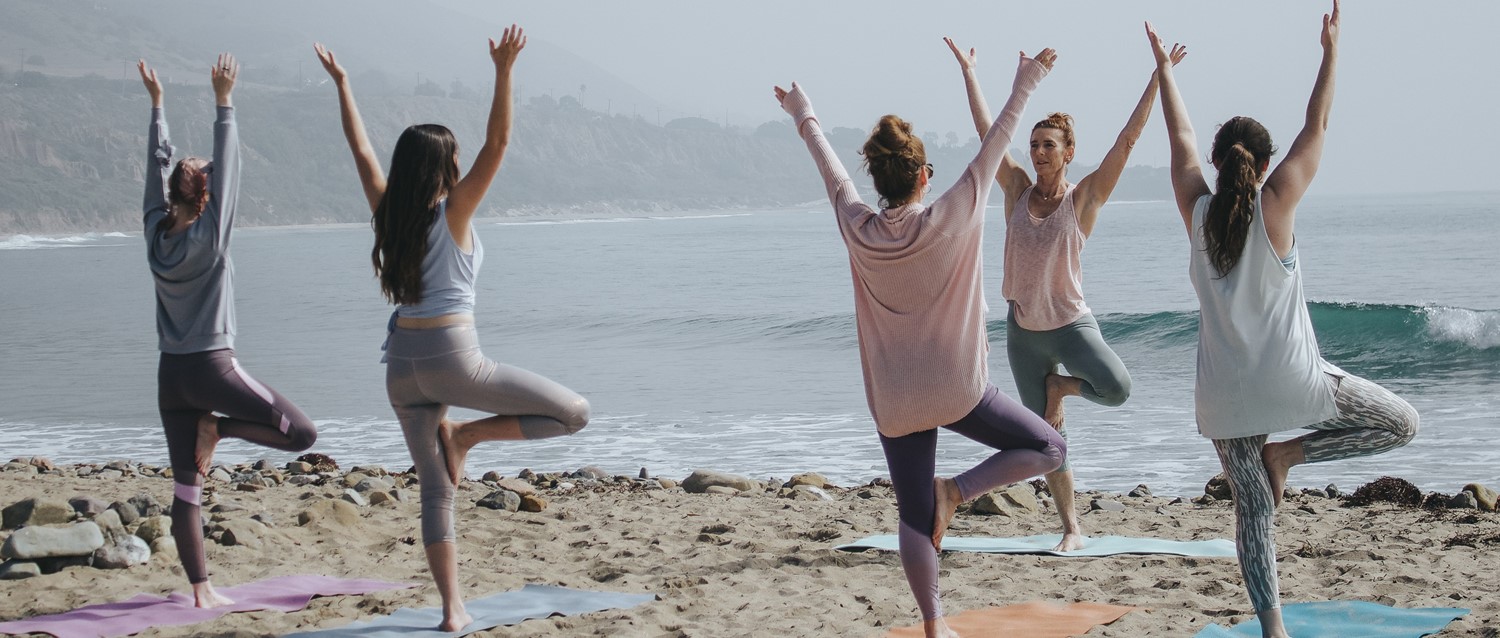
From juice cleanses to healing crystals, wellness is everywhere. On Instagram, there are more than 54 million posts containing the hashtag 'wellness', often featuring pseudo-scientific health cures and well-being advice. But what exactly is wellness - and is it simply a marketing ploy to entice us into spending money in the name of health?

What does the word wellness mean?
Wellness has become increasingly popular in recent years, particularly among social media influencers. However, the term was popularised in the 1950s by Dr Halbert Dunn, an American physician who combined the words 'wellbeing' and 'fitness'.
Writing in the Canadian Journal of Public Health in 1959, Dunn defined "high-level wellness" as: "A condition of change in which the individual moves forward, climbing toward a higher potential of functioning." Unlike good health, wellness isn't simply the absence of disease or illness, but our ability to thrive physically and mentally.
At face value, there is nothing wrong with wanting to feel good. Research suggests taking care of your mind and body is linked to good health, with self-care associated with less stress and a higher quality of life. However, problems arise with the way the term wellness is used.
Wellness as a marketing ploy
The global wellness market is booming and estimated to be worth more than $1.5 trillion (£1.13 trillion), surpassing the diet industry. And when there is money to be made, exploitation is a real risk.
"The term 'wellness' has become a huge money-making, marketing category for retailers," says Counselling Directory member Karen Schumann. "It seems these days, anything can be classed as wellness and sold to consumers as a quick fix or something that will make someone feel that they are working on themself.
"I think many companies are aware of the growth in mental health awareness and the increase in anxiety and depression, particularly from the pandemic. They could be using this to take advantage of the vulnerability of those people."
Wellness during the pandemic
For many of us, COVID-19 has had a serious impact on our mental health and exacerbated risk factors such as unemployment, financial instability and social isolation. For those suffering and looking for a solution, there may be greater temptation to buy into wellness products in an attempt to boost mental health.
"We have social media influencers now who are ready to sell diet and beauty products under the umbrella of wellness, while not being entirely honest about whether something has worked or helped them," says Schumann. Not only is this misleading, it can be potentially damaging - particularly if people avoid seeking professional mental health support as a result.
The exploitation of wellness and self-care
Wellness may be a popular buzzword, but one of the key problems is its lack of specific meaning. It is open to interpretation and often exploited by companies to boost their own reputations at the expense of stressed-out workers.
Often, the term wellness is used to cover up and ignore structural problems in the workplace that are contributing to stress and poor mental health. Companies often promote wellness programmes and encourage employees to engage in self-care, yet do nothing to address problems such as job insecurity, overworking and unrealistic workloads.
"The word wellness appears to have become quite a buzz word at this time," says Counselling Directory member Joanne Loach. "Unfortunately, the fact that it acts as some kind of umbrella term for general health means it can lose any specific meaning. Thus when we refer to wellness as a blanket term, it fails to allow for any distinction between the different parts of the self or how well or unwell they may be."
Wellness can promote poor body image
Additionally, wellness isn't simply associated with the way we feel, but how we look. A brief search of wellness hashtags on social media sites brings up thousands of images of toned bodies and wrinkle-free faces. These often unrealistic images can have a detrimental impact on our self-esteem and confidence, which can have a knock-on effect on our mental health.
Instead of promoting self-care, the wellness industry often encourages us to compare ourselves to others and fixate on our perceived flaws. This can lead to pressure to improve our appearance at any cost and risks encouraging people to engage in fad diets or unhealthy lifestyle changes, which can in turn lead to problems such as disordered eating.
Taking wellness with a pinch of salt
That being said, it's important to note that wellness isn't necessarily all bad. "If the term encourages people to take steps towards looking after themselves in a physical or mental way, or gets them to think about their health, then perhaps that could be helpful," says Schumann.
However, it's essential to take wellness advice with a pinch of salt. Not all advice on social media is legitimate - and it's easy to get sucked into money-making schemes. Therefore, it's important to be discerning.
"If there was more education for consumers about looking out for companies taking advantage of them or over promising influencers, that could help too," Schumann adds.
Patient picks for Mental wellbeing

Mental health
Craving some cosy? The science of autumn nesting
Are you feeling a pull towards ‘nesting’ as temperatures drop and daylight shifts? The arrival of autumn affects everyone differently - you might enjoy the change of pace, or maybe you notice lower energy or mood. Whether you’re a fan or not, there’s a whole host of health benefits beyond the darker nights, colder days, and extra layers.
by Claire Kenny
Mental health
Let’s talk about dating app burnout
Dating has never had a worse reputation, and the apps are taking the brunt of it. As the search for connection leaves more and more users exhausted rather than excited, how responsible are dating apps for the burnout?
by Claire Kenny
About the authorView full bio

Lydia Smith
Feature writer
BA, MA, MSc
Lydia Smith is an award-winning journalist and feature writer who has written extensively on women's health and mental health. She is currently studying for an MSc in psychology.
About the reviewerView full bio

Dr Sarah Jarvis
Clinical Consultant
MA (Cantab), BM, BCh (Oxon), DRCOG, FRCGP, MBE
After training in medicine at Cambridge and Oxford, Dr Sarah Jarvis MBE became a GP.
Article history
The information on this page is peer reviewed by qualified clinicians.
Article also available in English, German, Spanish, French, Italian, Portuguese, Hindi, Hebrew, Arabic, and Swedish.
19 Dec 2021 | Latest version
19 Dec 2021 | Originally published
Join the conversation
Share your thoughts or experiences with others in our patient communities.

Ask, share, connect.
Browse discussions, ask questions, and share experiences across hundreds of health topics.

Feeling unwell?
Assess your symptoms online for free
Sign up to the Patient newsletter
Your weekly dose of clear, trustworthy health advice - written to help you feel informed, confident and in control.
By subscribing you accept our Privacy Policy. You can unsubscribe at any time. We never sell your data.
More in mental health
- NewAdam Smith on mindfulness, mental health, and diabetes
- Building resilience: how to bounce back from life's challenges
- NewCraving some cosy? The science of autumn nesting
- How to get over a fear of blood tests
- How to help if your child has an eating disorder
- How to stop ‘mum guilt’ from impacting your mental health
- How to support someone through a panic attack
- Is crying good for you?
- Parental burnout: your guide to understanding and overcoming it
- Physical symptoms of grief: How grieving affects the body
- Reframing loneliness during the Christmas holiday period
- The health benefits of seawater
- Video: Why do people get depressed?
- What is dialectical behavioural therapy (DBT)?
- What is forest bathing and can it improve your health?
- What the World Cup can teach us about staying active
- Why do we find it comforting to re-watch our favourite movies?
- Why is therapy so exhausting?
- Work, rest, repeat: How to break the burnout cycle