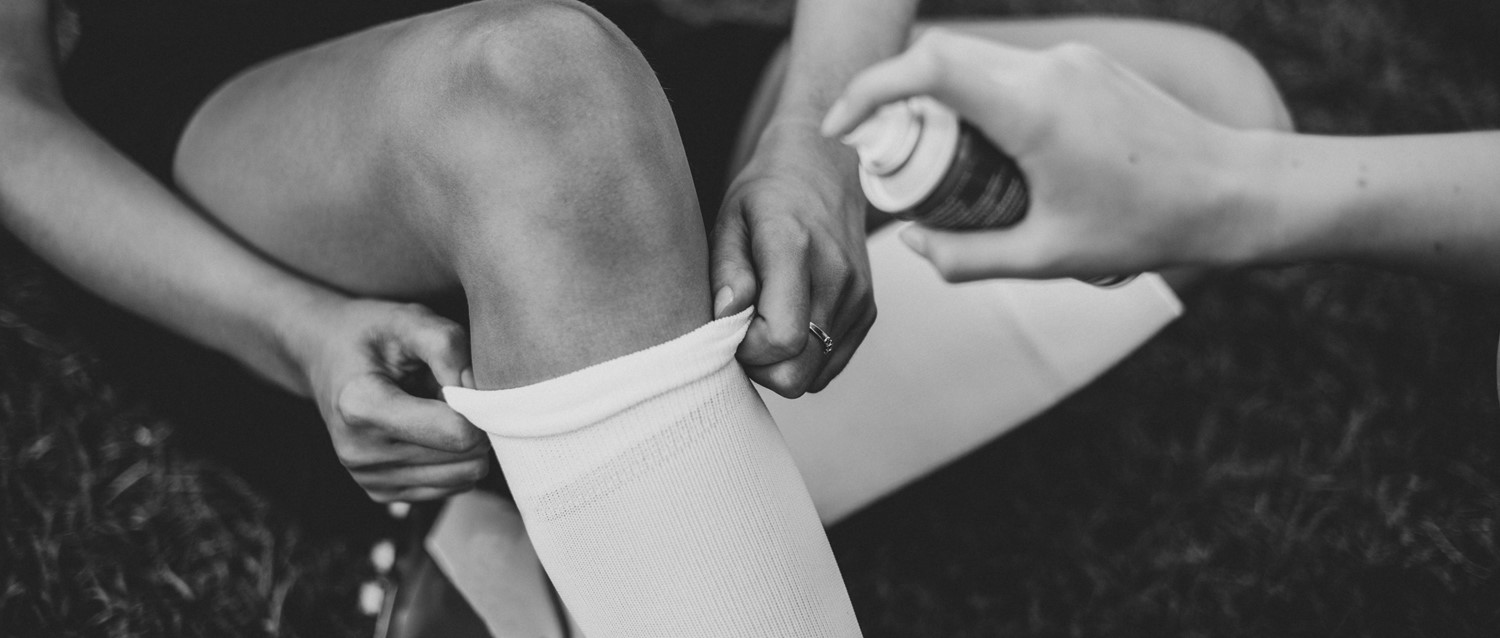
The most likely reasons for your muscle pain
Peer reviewed by Dr Colin Tidy, MRCGPLast updated by Dr Sarah JarvisLast updated 31 Jan 2019
Meets Patient’s editorial guidelines
- DownloadDownload
- Share
- Language
- Discussion
- Audio Version
- Add to preferred sources on Google
If you're always busy, rushing about and feeling stressed, it's likely to be a recipe to end up with muscle strains. The good news is there are some simple tips to keep you moving.
Back and neck pain
One of the most common places to strain a muscle is in your back, including your neck - more than four in five people get low back pain at some point.
This part of your back is largely made up of muscles, which connect in a complicated grid with your spine, providing support and flexibility. Most low back pain is classed as 'simple' (meaning there's no specific cause found, not that it doesn't hurt!). It can be down to strains of the tough connecting ligaments that support the spine, or minor misalignment of one of the many small joints that connect the spinal bones. But it's often due to a muscle strain.
For low back pain sufferers, recommended treatment used to include strict bed rest - but now doctors know that can actually slow down your recovery. It's important to keep as active as your pain will allow, building up your activity over days but avoiding heavy lifting or strenuous exercise. Painkilling tablets or anti-inflammatory gels may ease the pain in the meantime. If it doesn't settle quickly, speak with your GP about a referral to a physiotherapist.
A few simple steps will help avoid low back pain:
Avoid lifting heavy objects if you can. Your back will thank you for taking several small loads rather than one big one.
If you do lift, keep your back straight, bend from the knees rather than the back and lift objects straight ahead, rather than at an angle.
Shoulder pain
Aching shoulders are also very common, and this is often down to posture or a problem with your neck. Stress often makes muscles tense, but posture can play a major part, too.
If you're spending long hours at your computer working, be desk-savvy. Face your computer directly; sit up straight (think Grace Kelly rather than the Royle family); and take regular breaks to get up from your seat, rolling your neck and shoulders around.
Remember RICE
Other sprains and strains respond well to anti-inflammatory tablets, as well as RICE. Not the kitchen cupboard kind, but:
Rest.
Ice (never applied directly to the skin).
Compression (Tubigrip, etc).
Elevation (lie back with the affected part up on a cushion).
Statin side-effects
There's much debate about how many people get muscle aches as a side-effect of statin tablets. That's partly because it's human nature that if you know a medical problem might be caused by a drug, you're more likely to assume the drug is to blame if you get that symptom.
For instance, in some drug trials comparing an active with a placebo (inactive) comparator, one in four people taking the placebo had to come off the trial because of side-effects they were told might occur if they were on the active half of the trial. The most likely figure is somewhere in the region of one in 10.
Statin-related muscle pain is usually mild and temporary, but occasionally it can be very serious. If it's troublesome, your doctor may be able to switch you to a different statin with fewer side-effects. The problem can be made much worse if you also take other medicines, including some antibiotics like erythromycin or clarithromycin. If you're taking statins and get worsening or severe muscle pain, do see your GP.
Polymyalgia rheumatica
'-Algia' is the medical term for pain, and 'poly-' means many. Polymyalgia rheumatica, or PMR, is a condition which causes severe muscle aches, mostly at the top of your arms, shoulders and sometimes thighs.
It's easily diagnosed with a blood test called ESR, and can be treated with steroid tablets. You'll need to take these for several months or occasionally years, but the aim will be to taper them off eventually under your doctor's instructions. Fortunately, it's rarely permanent, although you may need to increase your steroid dose in the short term if symptoms flare up when you tail them off.
Whatever you do, don't stop your steroid tablets suddenly. It's fine to stop straightaway after a short course of steroids lasting a week or two. But if you're on longer-term steroids, stopping too quickly can lead to severe symptoms including muscle weakness, tiredness, joint and body pain, nausea and dizziness or even collapse.
Tension headaches
Tension headache - the vague ache around your temple or behind your eyes, which doesn't stop you doing things but can make life miserable - is now thought to be largely down to muscle spasm.
Anti-inflammatory tablets like ibuprofen can be particularly good for this. For many muscle pains, supermarket own-brand tablets are fine, but for tension headaches, you may want to invest in a branded 'rapid relief' version, which does start to work more quickly.
General tips to help beat muscle pain
A warm bath or shower can soothe and relax tense muscles.
So can a gentle massage - drop a hint to your other half!
One for women: avoid high heels for long periods to avoid aching muscles and sprains. Kitten heels can be deeply glamorous!
With thanks to 'My Weekly' magazine where this article was originally published.
Patient picks for Muscles

Bones, joints and muscles
Living with fibromyalgia - Jenny's story
Jenny Dunton has spent almost 30 years living with fibromyalgia, a condition which causes her daily pain. But over three decades, Jenny has discovered ways to cope and calm her symptoms - and she wants to spread the message that you can have fibromyalgia and thrive. Find out how Jenny manages her fibromyalgia and tips that could help you too.
by Lawrence Higgins
Bones, joints and muscles
How to prevent muscle loss on Mounjaro
Rapid weight loss from weight loss injections like Mounjaro can come with a hidden trade-off - muscle loss. Losing too much muscle along the way can leave people feeling weaker, more fatigued, and less supported in the long term. So how do you lose weight without losing muscle too? Experts share the key habits that can help minimise muscle loss while using Mounjaro - including how to eat, train, and recover well during weight loss.
by Bogomila Tosheva
About the authorView full bio

Dr Sarah Jarvis
Clinical Consultant
MA (Cantab), BM, BCh (Oxon), DRCOG, FRCGP, MBE
After training in medicine at Cambridge and Oxford, Dr Sarah Jarvis MBE became a GP.
About the reviewerView full bio

Dr Colin Tidy, MRCGP
General Practitioner, Medical Author
MBBS, MRCGP, MRCP (Paediatrics), DCH
Dr Colin Tidy is an NHS Doctor, based in Oxfordshire.
Article history
The information on this page is peer reviewed by qualified clinicians.
Article also available in English, German, Spanish, French, Italian, Portuguese, Hindi, Hebrew, Arabic, and Swedish.
31 Jan 2019 | Latest version
Join the conversation
Share your thoughts or experiences with others in our patient communities.

Ask, share, connect.
Browse discussions, ask questions, and share experiences across hundreds of health topics.

Feeling unwell?
Assess your symptoms online for free
Sign up to the Patient newsletter
Your weekly dose of clear, trustworthy health advice - written to help you feel informed, confident and in control.
By subscribing you accept our Privacy Policy. You can unsubscribe at any time. We never sell your data.
More in bones, joints and muscles
- 10 sources of plant-based protein for bone health
- Can a standing desk really help your back pain?
- Do you need physiotherapy after joint replacement?
- Everyday activities that can cause back pain
- How much protein do you need to build muscle?
- How obesity affects joint health - and what you can do about it
- How to avoid neck, shoulder and back pain while working from home
- How to build muscle mass after weight loss treatment
- How to build muscle on a vegan diet
- Is cracking your joints dangerous?
- Is running bad for your knees?
- Knee health: how to prevent knee injuries
- Knee pain and exercises videos
- Natural remedies for joint pain relief
- Video: Knee pain exercises
- What is sarcopenia?
- When should you worry about neck pain?
- Why clean eating could be bad for your bones
- Women's health in sport: injuries, menstruation, and motherhood