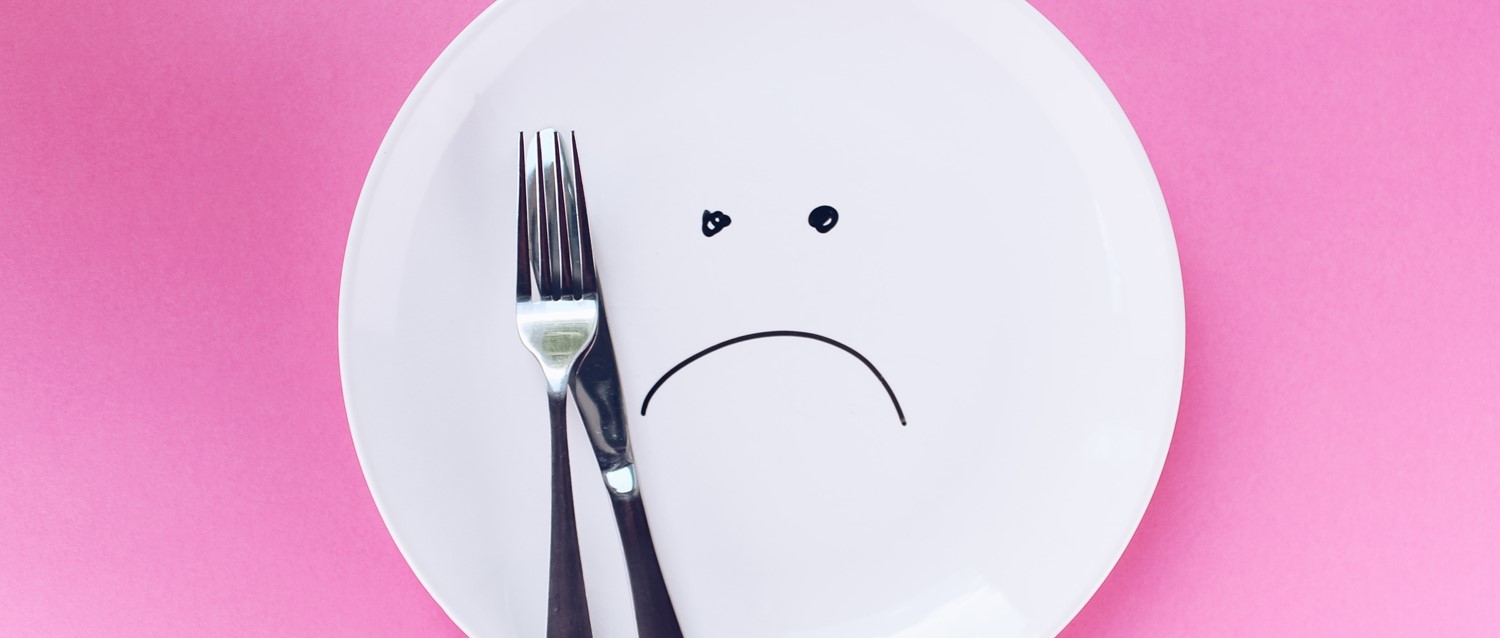
Vous avez faim et êtes de mauvaise humeur ? Pourquoi nous nous mettons en colère quand nous avons faim
Revu par Dr Krishna Vakharia, MRCGPDernière mise à jour par Victoria RawDernière mise à jour 21 janv. 2025
Respecte les directives éditoriales
- TéléchargerTélécharger
- Partager
- Language
- Discussion
- Version audio
It's one thing to feel a bit hungry before dinner, but another to feel so famished that it affects your mood. If you've ever felt irritable and overreacted to minor issues when you've not eaten, you may well have been 'hangry' - feeling angry when hungry. But why do we get this when we crave food and what can we do to avoid it?
Dans cet article:
Sélections de vidéos pour Alimentation saine
Continuez à lire ci-dessous
Why we get angry when we are hungry
Hanger might sound like a made up thing, but research suggests it is a very real issue. University of North Carolina researchers found that you are more likely to be in a bad mood when you are hungry.
Through a series of tests, assistant psychology and neuroscience professor Dr Kristin Lindquist and her team put people in slightly annoying situations - such as being faced with computer problems.
The hungry people were more irritated and more likely to give negative feedback later on, suggesting that hunger can increase how angry you get in response to frustrating experiences.
Niveaux de sucre dans le sang
One of the reasons you may get irritable is because not eating can affect your blood sugar levels.
Reema Pillai, registered dietitian at Dietitian Fit says that when you get very hungry and haven't eaten properly in a while, the sugar (glucose) levels in your blood can drop.
"If it gets quite low, this can lead to the hormones adrenaline and cortisol being released," she explains. "These help raise your blood sugar but can also make us a bit more irritable than usual - which is why you can have that hangry feeling."
Fonction cérébrale
Hypoglycémie can interfere with higher brain functions - such as those that help you control impulses and regulate your behaviour.
Colère is also linked to hunger because of brain chemicals - such as neuropeptide Y - which is released into the brain when you are hungry. However, it also helps to regulate anger or aggression.
Historically, feeling anger when hungry has helped humans survive. Being aggressive when hungry helped us fight for food as hunter-gatherers, ensuring we stayed fed when faced with competition.
What to do to avoid getting hangry
Retour au sommaireAlthough getting angry when hungry seems like a temporary problem, research shows it can have an effect on personal relationships. However, there are steps you can take to avoid getting hangry.
Eat regularly
Try not to wait too long between repas to eat.
Pillai advises that having regular meal patterns can help you reduce dips in your blood sugar - which can prevent you feeling hangry.
She suggests: "Have a prepared snack with you if you are out of the house, so that you can have this if you feel yourself becoming hungry but know you won't be able to have a proper meal soon. Something like a small handful of nuts with a piece of fruit can work well."
Cut back on sugar
Try to avoid junk foods, which could cause a sugar crash. Nutrient-rich, high-fibre foods can keep your blood sugar stable and keep you feeling fuller longer.
Pillai says: "Reducing your intake of highly processed foods with added sugar can help prevent a rapid rise then crash in votre glycémie, which can affect your mood."
Eat wholegrains
Focus on eating wholegrain carbohydrates - such as brown rice or pasta - as well as fibres from vegetables, fruits, pulses, beans and protéines food sources.
Pillai explains: "These foods keep energy and blood sugar levels more stable, which will help you feel better overall. This is because they take longer for your body to break down to digest, reducing spikes in blood sugar.
"Fibre also helps to keep you fuller for longer by slowing down digestion and stomach emptying, as well as having many other fantastic benefits for your health and well-being."
Pay attention to your feelings
According to the University of North Carolina study, hungry people who understand how they feel and of the effect of changes may be able to reduce their chances of becoming hangry.
Emotional self-awareness can be a personality trait, but it is also something that can be learned through techniques such as la pleine conscience. It may likewise help to take note of when you're more susceptible to feelings of hunger or irritability, so you can have snacks on hand.
Sélections de patients pour Alimentation saine
Régime et nutrition
Qu'est-ce que la snackification, et pourquoi envahit-elle nos cuisines ?
La snackification consiste à manger de plus petites quantités plus souvent. Avec des emplois du temps chargés et la montée des médicaments pour la perte de poids, beaucoup de gens remplacent les trois repas traditionnels par des collations plus petites et plus fréquentes. Ce changement influence même la manière dont les marques abordent la nourriture et les repas. Mais est-ce vraiment sain ? Nous avons demandé à un expert d'analyser les avantages et les inconvénients de cette habitude alimentaire croissante.
par Victoria Raw

Régime et nutrition
Comment gérer la culpabilité alimentaire pendant Noël
Noël est une fête très axée sur la nourriture. Que ce soit des tartes aux fruits, de la dinde, des pommes de terre rôties ou les Quality Street que nous ouvrons en regardant un film de fête, la nourriture est partout. Cependant, une plus grande attention à la nourriture signifie que la culpabilité après peut être plus intense. C'est particulièrement le cas à l'approche de la saison du 'nouvelle année, nouveau moi' et des régimes qui sont annoncés sans fin.
par Emily Jane Bashforth
Continuez à lire ci-dessous
Historique de l'article
Les informations sur cette page sont examinées par des cliniciens qualifiés.
Next review due: 28 Jan 2028
21 janv. 2025 | Dernière version
8 Nov 2021 | Publié à l'origine
Écrit par :
Lydia Smith

Demandez, partagez, connectez-vous.
Parcourez les discussions, posez des questions et partagez vos expériences sur des centaines de sujets de santé.

Vous ne vous sentez pas bien ?
Évaluez vos symptômes en ligne gratuitement
Inscrivez-vous à la newsletter Patient
Votre dose hebdomadaire de conseils de santé clairs et fiables - rédigés pour vous aider à vous sentir informé, confiant et maître de la situation.
En vous abonnant, vous acceptez notre Politique de confidentialité. Vous pouvez vous désabonner à tout moment. Nous ne vendons jamais vos données.