How to eat more healthily during the colder months
Peer reviewed by Dr Sarah JarvisAuthored by Andrea DowneyOriginally published 25 Feb 2021
Meets Patient’s editorial guidelines
- DownloadDownload
- Share
- Language
- Discussion
- Audio Version
- Add to preferred sources on Google
We all know that eating a healthy, balanced diet is good for us, but as lockdown and the cold weather continue, the motivation to cook a healthy meal can waver. Add to that the temptation of staying cosy on the couch and ordering a takeaway, and who wants to cook anymore?
But eating well doesn't have to be a big task - forget all those recipes with obscure ingredients you can't find in your local shops. Eating healthily is really about getting back to basics.
Dr Marilyn Glenville, a nutritionist specialising in women's health, and Laura Matthews, registered nutritionist, explain how to eat well during the colder months.
Back to basics
A healthy diet doesn't have to be complicated. But it's important to make sure you're eating plenty of fruit and vegetables, complex (unrefined) carbohydrates, protein and some fats.
"Ideally we should aim to include each of the four main food groups at mealtimes, but don't pressure yourself to achieve this at every meal. Just use it as a guide over a day or a week," Matthews says.
"The four main food groups are fruit and vegetables, starchy carbohydrates, protein and dairy (and dairy alternatives). Fruit and veg should make up at least a third of the plate. They're a great source of vitamins, minerals and fibre."
Starchy carbs should also make up around a third of your plate, while the rest should be a mixture of protein and healthy fats.
Not sure what classes as each food group? Dr Glenville has you covered:
For carbs she suggests brown rice, oats and whole grains.
Protein includes fish, eggs, tofu and meat.
Fats include nuts, seeds and avocado.
"Eating a balanced diet means getting all the essential nutrients for a healthy body, both physically and mentally," Dr Glenville says. "If the diet is too high in processed, nutrient-poor foods then energy can dip - mood swings and hormonal imbalance are just some of the associated symptoms. Of course, the odd 'cheat meal' or takeaway is good for the soul."
For some people with type 2 diabetes, a low-carb diet can provide huge benefits in terms of diabetes control - even allowing 'remission' of type 2 diabetes for some people. But the other healthy diet rules still apply if you're following this diet.
Flavour of the month
Throughout the seasons, not just in winter, you should aim to eat an array of colourful fruits and vegetables. If your favourite fruits and vegetables aren't in season during winter then frozen options are a great alternative.
"Always try to have a colourful plate, whether it be berries, broccoli or sweet potato," Dr Glenville says. "I would use frozen berries at this time of the year and choose cherries, blueberries and blackberries for a real burst of immune-supportive nutrients."
Dark green vegetables are also a must, she adds. "These provide magnesium which is so important for a healthy brain and hormones. Always try to have some kind of vegetable or salad ingredient on your plate."
Matthews explains eating food that's in season will offer a better taste - and keep you coming back for more.
"Try to be mindful of eating seasonally as foods in season taste better, are often cheaper and are better for the environment. Apples, pears (grated over porridge make a delicious breakfast), potatoes, kale, parsnips and carrots are good foods during the colder months.
"Try kale and leeks in an omelette or parsnips and carrots in soups and stews."
Meat free
Making sure you're getting enough protein is important if you're vegetarian or vegan, but it doesn't have to include expensive meat alternatives. Aside from protein, it's also vital you're eating enough iron, omega 3, vitamin B12 and calcium. Don't worry, it's not as complicated as it sounds.
"Vegans need to ensure a good intake of tofu, quinoa, beans and pulses and vegetarians can include some cheese, eggs and natural yoghurt," Dr Glenville explains. "Iron can be found in some plant foods, including beetroot, molasses, watercress and spinach. Omega-3 fats can be harder to get - and we need this for our brain, hormones and skin - but they can be found in walnuts, chia, hemp and flaxseeds."
Matthews adds that it's important vegans are getting enough calcium to maintain strong bones.
"Good sources of calcium for vegans include fortified plant milk (almond, soya and oat), almonds, sesame seeds, green leafy vegetables, pulses and dried fruit.
“Vegetarians and vegans should be aware of their intake of vitamin B12 which is found naturally in animal sources such as meat, fish, eggs, and dairy products. Certain foods are fortified with vitamin B12 - these include yeast extract, fortified breakfast cereals and soya products. Vitamin B12 is important to keep our nervous system healthy."
Hearty but healthy
When we think of big, hearty, warming winter meals we don't immediately think they're healthy. But making a nutritious comfort meal is easier than you might think.
"Healthy eating doesn't have to be boring or feel like you're deprived," Dr Glenville says. "Big hearty meals can still be healthy if made with fresh ingredients."
Soups, sauces and stews are a great way to pack extra vegetables into your diet, Matthews explains.
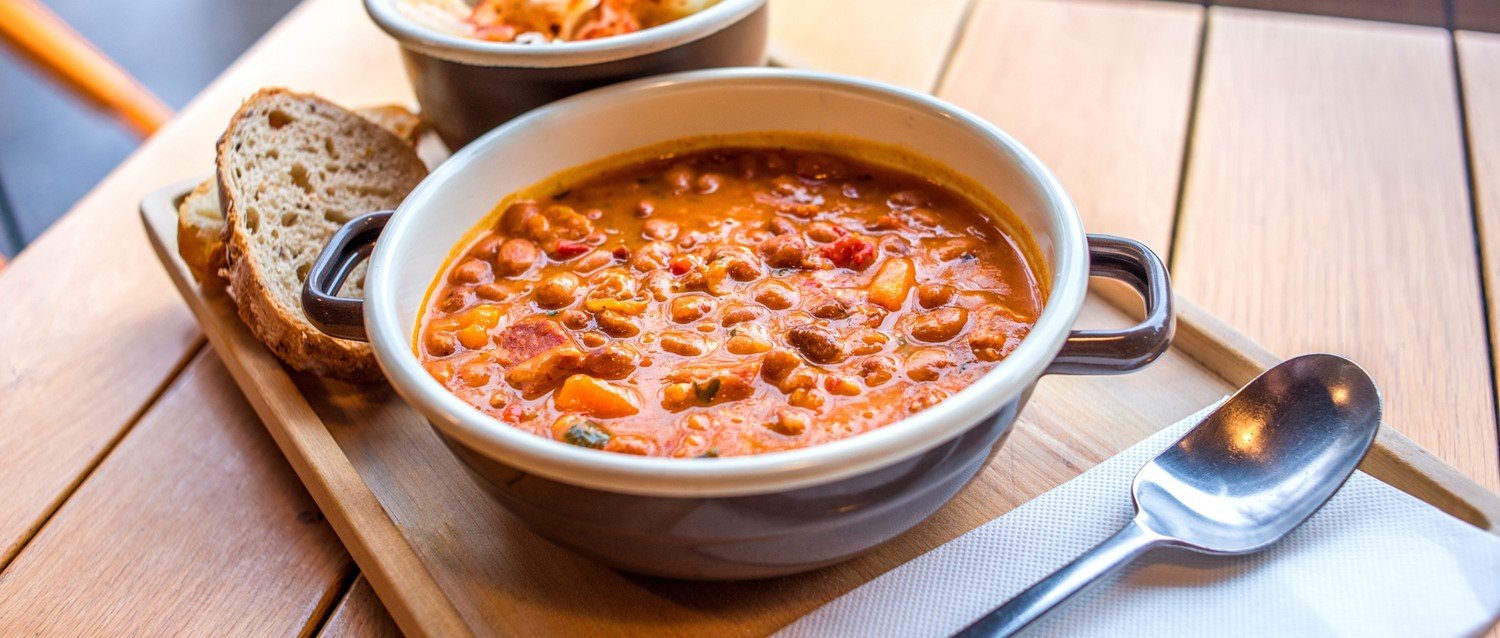
"Warm hearty meals such as soups, stews and healthy versions of chilli can be hugely comforting during the winter months. These are a good vehicle to include plenty of vegetables and accompany a variety of starchy carbohydrates such as wholemeal bread and whole-wheat couscous," she says.
"Pack tinned beans or lentils into sauces or soups for extra protein and to make them go further. Keep your freezer and cupboards stocked with frozen or tinned veg as these are great ingredients to bulk out meals."
But be sure to avoid tinned veg with added salt, Matthews adds.
Extra benefits
As well as giving your body the nutrients it needs and improving your energy levels, eating a balanced diet all year round has even more benefits for your overall health.
"A healthy, balanced diet may maintain a healthy weight and reduce your risk of health conditions such as high blood pressure, stroke and certain types of cancer," Matthews explains.
"It may also help you sleep better, support a healthy immune system; improve your energy levels; contribute to strong bones and joints and look after your heart health and your mental health and well-being too."
Patient picks for Healthy eating

Diet and nutrition
How to have a healthy Christmas party
Christmas parties are just around the corner and ‘tis the season to be jolly - but if you’re not careful, also the season to pile on the pounds. These days, we’re all more aware of the dangers of excess fat and sugar in our diets, but traditional Christmas foods all seem to hark back to the days when nobody had to worry about their weight.
by Dr Sarah Jarvis

Diet and nutrition
What is inflammation and which foods reduce it?
Inflammation is a good thing in the right circumstances. Let’s take an example such as bashing your toe against a rogue paving stone. The toe swells up due to fluid and immune substances, like macrophages, rushing to the area to assess and fix the damage. Your toe stiffens and feels sore, making you want to rest it. After several days, the swelling and stiffness recede and gradually your toe feels better. Now you can get out walking again.
by Dr Carrie Ruxton, PhD, Child Nutrition
About the author
Authored by

Andrea Downey
About the reviewerView full bio

Dr Sarah Jarvis
Clinical Consultant
MA (Cantab), BM, BCh (Oxon), DRCOG, FRCGP, MBE
After training in medicine at Cambridge and Oxford, Dr Sarah Jarvis MBE became a GP.
Join the conversation
Share your thoughts or experiences with others in our patient communities.

Ask, share, connect.
Browse discussions, ask questions, and share experiences across hundreds of health topics.

Feeling unwell?
Assess your symptoms online for free
Sign up to the Patient newsletter
Your weekly dose of clear, trustworthy health advice - written to help you feel informed, confident and in control.
By subscribing you accept our Privacy Policy. You can unsubscribe at any time. We never sell your data.