Régime pour diabète : gérer le diabète de type 2
Revu par Dr Colin Tidy, MRCGPDernière mise à jour par Lawrence HigginsDernière mise à jour 20 Jun 2026
Respecte les directives éditoriales
- TéléchargerTélécharger
- Partager
- Language
- Discussion
- Version audio
- Ajouter aux sources préférées sur Google
Si vous avez le diabète de type 2, il est souvent difficile de savoir quels aliments vous devriez ou ne devriez pas manger. Ici, nous expliquons les éléments clés d'un régime alimentaire pour le diabète afin de vous aider à prévenir ou retarder les problèmes de santé associés, et nous abordons certains mythes courants concernant l'alimentation avec le diabète de type 2.
Inscrivez-vous à notre cours gratuit de 10 semaines sur le diabète !
Chaque semaine, nous explorerons un sujet différent pour vous aider à mieux comprendre et gérer votre diabète, y compris la vie quotidienne et les médicaments, le bien-être mental, les dernières technologies en matière de diabète et la nutrition.
En vous abonnant, vous acceptez notre Politique de confidentialité. Vous pouvez vous désabonner à tout moment. Nous ne vendons jamais vos données.
Existe-t-il un régime spécial pour le diabète de type 2 ?
Il n'y a pas de régime spécifique à suivre si vous avez diabète de type 2 (TD2). Il s'agit davantage de manger des repas réguliers, sains et équilibrés, dans le quantités correctes, de tous les principaux groupes alimentaires.
Fruits et légumes
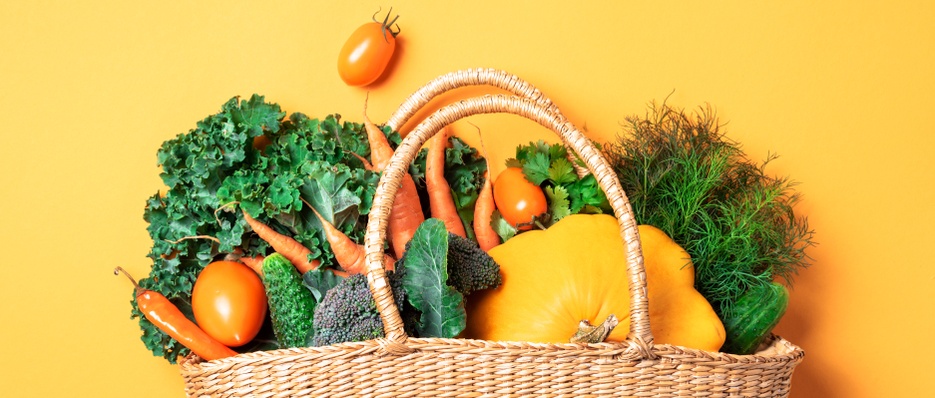
Fruits et légumes peuvent être appréciés frais, congelés ou en conserve dans des jus naturels. Essayez d'inclure différentes couleurs et variétés. Les fruits et légumes sont pleins de vitamines, naturellement riches en fibres, faible en matières grasses et utile pour aider à la perte de poids. Comme les fruits sont plus riches en sucres naturels, il est préférable de les consommer avec quelque chose de riche en bonnes graisses comme le yaourt grec pour ralentir la montée de sucre dans votre circulation sanguine. Cette teneur en sucre signifie qu'il est également préférable de manger plus de légumes que de fruits.
Manger au moins cinq portions par jour - en visant 3 légumes et 2 fruits - peut aider à réduire votre risque de une maladie cardiaque, et certain les cancers. Et ils sont délicieux - alors essayez d'ajouter plus de fruits et légumes à vos repas ou de les consommer comme collation saine entre les repas?
En général, s'en tenir à un régime à base de plantes a été trouvé pour aider à réduire le risque de DT2.
Aliments riches en amidon
Les aliments riches en amidon - tels que les pommes de terre, le pain, le riz, les pâtes et autres céréales - sont décomposés en sucres simples dans le corps. Ils tendent à être la principale source de carburant du corps. En moyenne, nous obtenons environ la moitié de nos calories quotidiennes totales de ce groupe.
Si vous avez le diabète de type 2, un régime pauvre en glucides - entre 50 g et 130 g par jour - peut aider à contrôler les pics de votre glycémie ou à aider avec régime amaigrissant. Vous pouvez être soutenu par votre professionnel de santé si c'est quelque chose que vous souhaitez essayer.
Many people with T2D have found that a low-carb diet helps to put their T2D into remission - when blood sugar is in the normal range - without using medicine .
Il est important de noter que tous les aliments riches en amidon ne sont pas décomposés de la même manière dans le corps. Certains aliments - en particulier 'glucides 'raffinés' - sont décomposés très rapidement, entraînant des augmentations brusques de la glycémie. Ce n'est pas idéal si vous avez le DT2, car cela peut vous laisser un sentiment de malaise ou de léthargie à court terme et entraîner des complications à long terme si la glycémie reste constamment élevée.
Manger des glucides complets - comme le pain aux graines, les flocons d'avoine complets et le riz brun - idéalement combinés avec des protéines, aide à éviter les augmentations brusques de la glycémie.
L'indice glycémique (IG) est un système de classement qui détermine la vitesse à laquelle un aliment est décomposé dans le corps. Les aliments avec un IG plus bas se libèrent plus lentement dans le sang. Tout changement dans votre consommation de glucides doit être utilisé en combinaison avec une alimentation saine.
Aliments protéinés
Les aliments protéinés comprennent les viandes maigres, les œufs, le poisson, les haricots et les légumineuses.
Les besoins en protéines sont les mêmes que vous ayez du diabète ou non. Cependant, si vous avez le diabète de type 2, vous êtes à un risque plus élevé de maladie cardiaque. Il est donc conseillé de choisir des protéines maigres et de préparer les aliments de manière à éviter l'utilisation de beaucoup de matières grasses - comme le grillage ou le rôtissage.
Essayez d'inclure 1 à 2 portions de poisson gras - comme le saumon, le thon frais et les sardines - dans votre alimentation chaque semaine, car ils contribuent à la santé de votre cœur.
Les sources de protéines végétales, telles que les haricots et les légumineuses - comme les pois chiches, les haricots rouges, les lentilles - sont riches en un type de fibre qui aide à réduire la glycémie et le cholestérol. Cela signifie qu'elles peuvent jouer un rôle important dans la gestion du diabète.
Produits laitiers et alternatives
Les produits laitiers et leurs alternatives - tels que le lait, les yaourts et le fromage - sont notre principale source de calcium et devraient être inclus dans votre alimentation quotidienne.
Il est conseillé de choisir des options riches en matières grasses car elles sont moins transformées, ou de réduire les portions. Le yaourt grec naturel sucré avec des fruits est un choix idéal pour une collation ou un dessert.
Graisses et huiles
Par exemple, huiles de cuisson, margarines et beurres.
Nos corps besoin de graisse, mais il doit s'agir du bon type de graisse et en petites quantités. Nous comptons sur notre alimentation pour les vitamines liposolubles A, D, E et K, et les acides gras essentiels.
Si vous avez le diabète de type 2, vous devriez tous essayer de minimiser votre consommation de graisses. Lorsque vous mangez des aliments gras, remplacez les graisses saturées par des graisses insaturées dans la mesure du possible.
Choisissez des graisses plus saines - telles que les huiles à base d'olive, de colza et de tournesol - qui sont bénéfiques pour le cœur (cardioprotectrices) contrairement à celles riches en graisses saturées comme le saindoux, le ghee, le beurre, ou l'huile de coco et de palme.
Sel et alcool
Il est également important de réduire votre consommation de sel - choisissez des alternatives à faible teneur en sel lorsque c'est possible et envisagez d'utiliser des épices et des herbes pour aromatiser vos aliments naturellement.
Surveiller votre consommation d'alcool est important pour maintenir un mode de vie sain. Il est conseillé aux adultes ne pas boire plus de 14 unités d'alcool par semaine. Vous devriez répartir votre consommation sur plusieurs jours avec des jours sans alcool entre les deux. Si vous êtes enceinte, vous devriez éviter de boire de l'alcool.
Ai-je besoin de perdre du poids ?
Porter un excès de poids joue un rôle important dans le développement du diabète de type 2.
Si vous êtes en surpoids et avez un diabète de type 2, perdre 5 à 10 % de votre poids corporel et maintenir cette perte de poids peut vous aider à mieux gérer votre diabète et à réduire votre risque de complications à long terme.
La recherche de Diabetes UK montre que perdre jusqu'à 15 kg peut mettre votre diabète en rémission.
Questions fréquemment posées
Dois-je choisir des aliments diététiques spéciaux pour le diabète ?
Non. Il n'y a aucune preuve suggérant que ces aliments offrent un avantage par rapport à une alimentation saine régulière.
Ai-je le droit de manger des fruits sucrés comme les bananes, les raisins ou les mangues ?
Oui - tous les fruits sont autorisés. Bien que les fruits contiennent des sucres naturels, ceux-ci sont traités différemment dans votre corps par rapport aux sucres raffinés. Les raisins sont très riches en sucre, bien que vous puissiez toujours les manger, les portions devraient être plus petites.
Il est préférable d'éviter de manger en excès, mais les fruits peuvent être une excellente collation, surtout s'ils remplacent des aliments riches en graisses et en sucre comme les gâteaux et les biscuits.
Les jus de fruits, les smoothies aux fruits et les fruits secs ont des concentrations plus élevées en sucre et doivent être consommés avec modération.
Puis-je avoir de la viande rouge ?
Manger de grandes quantités de viandes rouges - en particulier les viandes transformées, telles que les saucisses, le bacon, les hamburgers, les hot-dogs - peut augmenter le risque de certains cancers.
La viande rouge maigre est une bonne source de protéines, de fer, de zinc et de B12 - consommez-la donc avec modération, pas trop ni trop souvent. Vous ne devriez pas manger plus de 70 g de viande rouge par jour - environ 5 cuillères à soupe de viande hachée cuite ou un petit burger.
Dois-je renoncer au sucre pour toujours ?
Il n'est pas nécessaire d'éliminer complètement le sucre, mais il est conseillé de réduire les sucres raffinés, les aliments avec des sucres ajoutés et les aliments très sucrés comme les boissons gazeuses, le chocolat, les gâteaux et les biscuits, surtout si votre consommation actuelle est élevée.
Avec ou sans diabète, nous devrions tous consommer moins de sucres raffinés qui peuvent contribuer à la prise de poids et l'obésité, maladie cardiaque et problèmes dentaires.
Sélections des patients pour Diabète de type 2
Diabète
Régime pour le diabète de type 2
Le traitement de première intention pour le diabète de type 2 implique de modifier votre mode de vie, par le biais de l'alimentation, du contrôle du poids et de l'activité physique.
par Dr Colin Tidy, MRCGP
Diabète
Ce que vous devez savoir sur l'épuisement lié au diabète
Gérer le diabète est un travail à plein temps. Cela implique un cycle continu de surveillance de la glycémie, de gestion des médicaments et de planification proactive. Comme pour de nombreux défis de la vie, le besoin constant de surveiller cette condition de santé peut mener à l'épuisement si vous ne prenez pas de mesures pour le reconnaître, le traiter et le prévenir. En cette Journée mondiale du diabète, nous soulignons l'importance de l'auto-soin, du soutien et de la recherche des bonnes ressources si vous vivez avec le diabète.
par Victoria Raw
À propos de l'auteurVoir la biographie complète

Sarika Mongia, RD
Diététicien, spécialiste de la gestion du poids
RD, PGDip
Sarika est diététicienne diplômée avec plus de 20 ans d'expérience et se spécialise dans la gestion du poids et le diabète.
À propos du critiqueVoir la biographie complète

Dr Colin Tidy, MRCGP
Médecin généraliste, Auteur médical
MBBS, MRCGP, MRCP (Paediatrics), DCH
Le Dr Colin Tidy est un médecin du NHS, basé dans l'Oxfordshire.
Historique de l'article
Les informations sur cette page sont examinées par des cliniciens qualifiés.
Article également disponible en Anglais, Allemand, Espagnol, Français, Italien, Portugais, Hindi, Hébreu, Arabe, and Suédois.
Next review due: 20 Jun 2029
20 Jun 2026 | Dernière version
21 avr. 2021 | Publié à l'origine
Écrit par :
Sarika Mongia, RD

Demandez, partagez, connectez-vous.
Parcourez les discussions, posez des questions et partagez vos expériences sur des centaines de sujets de santé.

Vous ne vous sentez pas bien ?
Évaluez vos symptômes en ligne gratuitement
Inscrivez-vous à la newsletter Patient
Votre dose hebdomadaire de conseils de santé clairs et fiables - rédigés pour vous aider à vous sentir informé, confiant et maître de la situation.
En vous abonnant, vous acceptez notre Politique de confidentialité. Vous pouvez vous désabonner à tout moment. Nous ne vendons jamais vos données.
Plus sur le diabète
- Changer vos habitudes alimentaires après un diagnostic de diabète de type 2
- Surveillance continue de la glycémie dans le diabète de type 1
- Le diabète augmente le risque d'insuffisance cardiaque, particulièrement chez les femmes
- Technologie du diabète
- Comment la technologie change le diabète
- Comment manger au restaurant avec le diabète
- La MHRA approuve le teplizumab pour retarder la progression du diabète de type 1
- Signes de diabète de type 2 détectés chez des enfants dès l'âge de huit ans
- Adopter un régime à base de plantes réduit le risque de diabète de type 2
- Prendre le contrôle du prédiabète
- Comprendre le jargon du diabète
- Vidéo : Comment savoir si vous avez un diabète de type 2 ?
- Qu'est-ce que la diabulimie ?
- Ce que vous devez savoir sur l'épuisement lié au diabète
- Quel est le lien entre le diabète et les troubles alimentaires ?
- Pourquoi une hypoglycémie est dangereuse
- Pourquoi les contrôles du diabète de type 2 sont-ils si importants
- Les femmes atteintes de diabète plus susceptibles de connaître une mortinaissance
- Votre guide essentiel pour faire de l'exercice avec le diabète