
What could be causing your pins and needles?
Peer reviewed by Dr Krishna Vakharia, MRCGPLast updated by Lawrence HigginsLast updated 2 May 2024
Meets Patient’s editorial guidelines
- DownloadDownload
- Share
- Language
- Discussion
- Audio Version
- Add to preferred sources on Google
Everyone might experience them occasionally, but the causes behind pins and needles aren't always down to lying awkwardly on an arm or leg. Here we look at what causes pins and needles and when to worry about them.
What are pins and needles?
If you've woken up with a numb, tingling feeling down your arm or in your legs and feet, having lain on the couch for hours then you've experienced pins and needles - or paraesthesia, to give it its medical name.
While it can be annoying, it usually goes away after some light movement to get the blood flowing.
What causes pins and needles?
Dr Daniel Fenton, medical director, London Doctors Clinic, says: "Pins and needles are caused by many different reasons - it happens when your nerves send signals to the brain.
"Pins and needles are usually caused by pressure on a nerve due to sitting or lying awkwardly. They do not last for long and stop when pressure on the nerve is released by repositioning."
Pins and needles are down to the co-existence between nerves and blood vessels. These nerves, made up of living cells, are serviced by blood vessels - known as vasa nervorum - which bring oxygen and nutrients to them. By the same measure, nerves, which can change the diameter of vessels, are needed to make sure the right amount of blood reaches our organs.
So, when the nerves or blood vessels are compressed, it is more difficult to send impulses back to the central nervous system - the spinal cord and brain. The brain then interprets these abnormal signals as pins and needles.
What can pins and needles be a sign of?
Occasionally, pins and needles can be the symptom of something much more serious. Sudden trauma or long term injuries can also contribute towards nerve damage, as can conditions such as diabetes and alcohol misuse.
Fenton says: "If pins and needles happen more frequently, without a clear reason or with other symptoms, it can indicate other underlying conditions. A nerve can have pressure placed on it due to anatomical problems such as back problems or thickening of surrounding tissue."
Deficiencies
Imbalances or deficiencies in certain minerals and vitamins such as vitamin B12 can cause pins and needles as they can play important roles in maintaining the health of the nerves.
Autoimmune diseases
Fenton also says some autoimmune diseases - such as lupus, and rheumatoid arthritis - that can be responsible for neuropathy, can lead to the body’s normal defence systems incorrectly attacking its own cells, including nerves.
Back injuries
Pins and needles in part of your bottom, leg or foot can be a sign of pressure on a nerve, caused by a prolapsed or 'slipped' disc - the best known example is sciatica.
In rare cases, this can be accompanied by numbness in the area around your bottom, weakness in one or both legs and/or problems with bladder or bowel function. This complication, known as cauda equina syndrome, is a medical emergency.
Stroke
Pins and needles on one side are rarely the only sign of stroke, but it's important to be aware of the signs. These include weakness on one half of the face or body, difficulty speaking, or finding the right words - seek emergency help if you might be affected.
Neurological conditions
Tingling and numbness across different parts of the body is also one of the most common first symptoms of multiple sclerosis (MS).
"Neurological conditions such as MS, which is a disorder of the nerve sheath, can present unexplained pins and needles," says Fenton.
Carpel tunnel syndrome
Pins and needles are sometimes linked to carpal tunnel syndrome - when the median nerve is squeezed as it passes through the wrist, producing numbness and tingling.
While pins and needles are usually nothing to worry about, if the symptoms persist, speak to your GP.
Patient picks for General signs and symptoms
Signs and symptoms
Causes of nausea
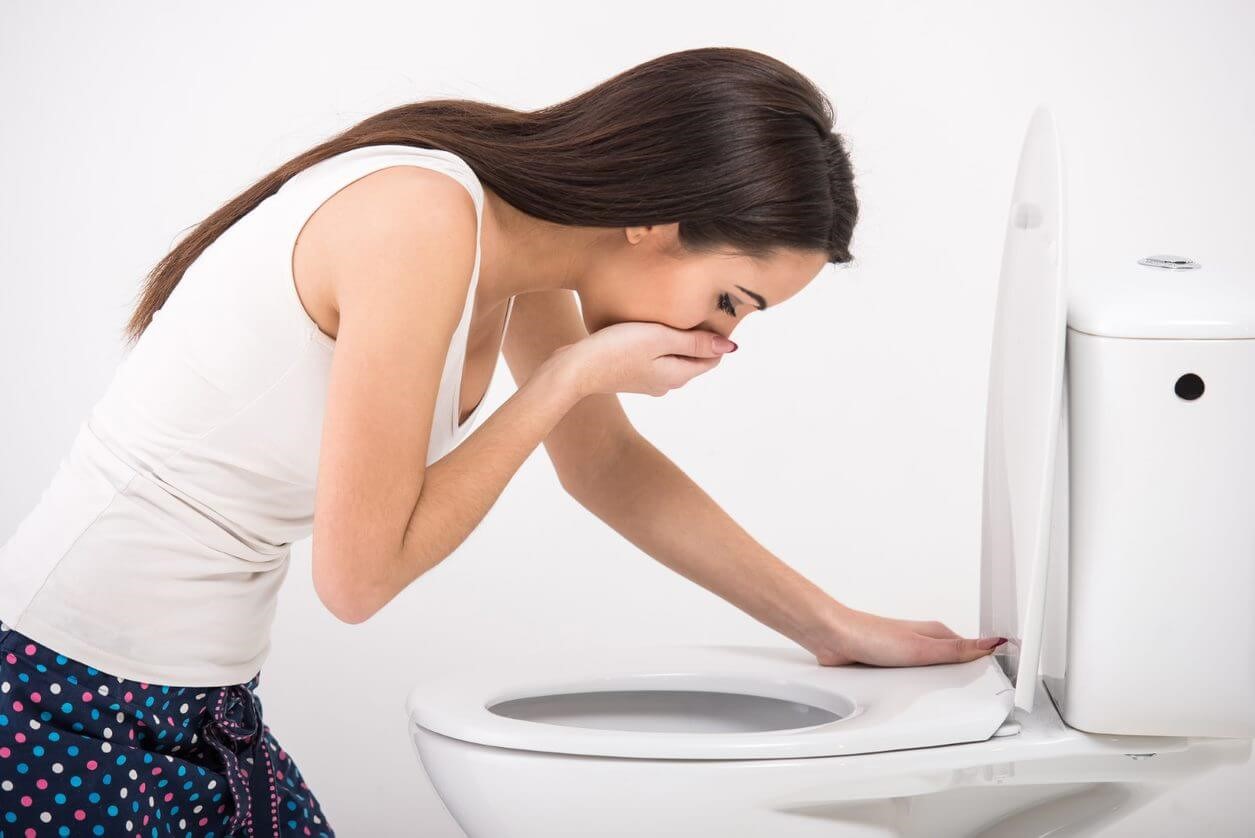
Feeling sick - nausea - or being sick is a miserable experience. We tend to think of feeling sick as being a gut problem, but there are lots of other reasons. You have a 'vomiting centre' in your brain and it's often here that the issue lies. In addition, your inner ears play an important role in balance, and an issue affecting the inner ear can often lead to vomiting or feeling sick in addition to dizziness. The other symptoms that go along with feeling or being sick often give clues to the cause.
by Dr Sarah Jarvis

Signs and symptoms
Why some people bruise so easily
Bruises are a natural consequence of minor injuries. However, some people are more susceptible than others and bruising can be indicative of a more serious underlying medical condition. We ask a GP for their advice.
by Julian Turner
About the authorView full bio
Updated by

Lawrence Higgins
Managing editor
BSc, Post Graduate Diploma
Lawrence has worked as both Managing Editor of Patient.info and a contributing author. He is also a member of the Guild of Health Writers.
Authored by

Ross Davies
Freelance Journalist
Ross Davies is a freelance journalist.
About the reviewerView full bio

Dr Krishna Vakharia, MRCGP
Chief Medical Officer for Health, Optum UK
MBChB, MRCGP(2013), BMedSci (hons), DFSRH, DRCOG, PGDipDerm (Distn)
Dr Krishna Vakharia is an NHS GP. She is also a regular examiner for the postgraduate Diploma in Practical Dermatology at Cardiff University as well as being the Chief Medical Officer for health at Optum UK.
Article history
Article also available in English, German, Spanish, French, Italian, Portuguese, Hindi, Hebrew, Arabic, and Swedish.
Next review due: 6 May 2027
2 May 2024 | Latest version
26 Apr 2019 | Originally published
Authored by:
Ross Davies
Join the conversation
Share your thoughts or experiences with others in our patient communities.

Ask, share, connect.
Browse discussions, ask questions, and share experiences across hundreds of health topics.

Feeling unwell?
Assess your symptoms online for free
Sign up to the Patient newsletter
Your weekly dose of clear, trustworthy health advice - written to help you feel informed, confident and in control.
By subscribing you accept our Privacy Policy. You can unsubscribe at any time. We never sell your data.