Les caillots de sang menstruel sont-ils normaux ?
Revu par Dr Sarah JarvisDernière mise à jour par Sarah GrahamDernière mise à jour 25 Apr 2019
Respecte les directives éditoriales
- TéléchargerTélécharger
- Partager
- Language
- Discussion
- Version audio
- Ajouter aux sources préférées sur Google
Vous êtes-vous déjà demandé ce que sont ces amas épais, collants et visqueux de sang lors de vos règles ? Ils sont appelés caillots menstruels, ou caillots de sang menstruel, et ils sont formés à partir d'un mélange de cellules sanguines, de tissus de la muqueuse utérine et de protéines de votre sang.
Les caillots de sang menstruel sont-ils normaux ?
Firstly, it's important to be aware that everyone has period blood clots to some extent, and it's not necessarily a sign that anything's wrong.
"Usually clots occur when the flow is a little bit heavier - generally the first two days of your period," Dr Vanessa Mackay, spokesperson for the Royal College of Obstetricians and Gynaecologists (RCOG) explains. "When you're bleeding heavily, the blood pools inside your vagina and it clots, much as it would do if you were bleeding elsewhere."
Are period blood clots dangerous?
Like many things to do with gynaecological health, what's considered 'normal' varies from one person to the next - so you might regularly experience heavy bleeding with clots, while your best friend might have a much lighter flow and rarely ever get any clotting.
The key thing here is knowing what's normal for you, and that you only need to contact your doctor about period blood clots if you're worried about them in any way.
"If it changes significantly from what's normal for you - so you suddenly get much bigger or more frequent clots - that might be a sign of something else," Mackay says.
"A way to check for that would be if you're having to change your sanitary product every hour or two, needing to wear pads and tampons together, or if the clots are larger than, say, a ten pence piece," she explains. "Anything that suggests your period's got a lot heavier than normal might be an indication you need to see your doctor."
What causes period blood clots?
Even if you've noticed a change, rest assured that there's still not necessarily any reason to panic.
"For most women, about 70%, there is no underlying cause or reason for heavier bleeding and bigger or more frequent menstrual clots," Mackay says.
There are, however, certain conditions that could be causing it, so it's important to see your doctor and get it checked, so that these can be ruled out.
Fibromes
Uterine fibromes are non-cancerous growths of the womb, which can cause heavy, painful periods.
Maladie inflammatoire pelvienne (MIP)
Infections like une maladie inflammatoire pelvienne can also cause abnormal bleeding.
Polyps
Endometrial polyps are non-cancerous growths in the lining of the womb, and can also cause heavier periods.
Endométriose
Endométriose is a condition where tissue similar to endometrial tissue is found outside the uterus, which frequently causes painful, heavy periods with period blood clots.
Troubles de la coagulation sanguine
A blood clotting disorder might also cause frequent and large period blood clots.
Womb cancer
Heavy bleeding and clotting could, of course, also be a sign of something more sinister, like womb or uterine cancer - although, as Mackay points out: "That's very rare before the menopause."
Period blood clot treatment
If heavy menstrual bleeding is negatively impacting your life, your doctor may suggest hormonal contraception, like the pilule contraceptive ou le Mirena coil, to help lighten your monthly bleed.
The pill is traditionally taken for 21 days, followed by a seven-day break, during which time you have what's known as a 'withdrawal bleed', similar to a period. Alternatively though, you can choose to take the pill continuously without a break, or take it for several months at a time followed by a break. If you are taking several packs back-to-back, followed by a pill break, this may cause your withdrawal bleed to be heavier, with more period blood clots, than usual - or it may have the opposite effect.
"It's difficult because there are so many variables - it's hard to say exactly what's normal or abnormal, or what to expect," Mackay says. "Your weight has an influence, which hormones you're taking, where you are in your cycle, all of these things."
Finally, any unscheduled heavy bleeding and clotting, when you're not expecting your period, could signal a very early fausse couche.
"If generally you have regular periods, and suddenly you have a very unscheduled bleed that's quite heavy, you should take a pregnancy test. If the test is positive, that would alert you to the fact that perhaps it's a very early pregnancy loss rather than just a heavy period," Mackay explains.
Sélections des patients pour Règles et problèmes menstruels

Santé des femmes
Est-il normal de ressentir des douleurs d'ovulation ?
Nous connaissons tous la douleur des règles. Mais qu'en est-il de la douleur qui survient en milieu de cycle ? Si vous avez déjà remarqué une douleur d'un côté de votre bas-ventre, environ deux semaines avant vos règles, vous pourriez ressentir une douleur d'ovulation. Nous avons demandé aux experts ce que c'est et si c'est une source d'inquiétude.
par Sarah Graham
Santé des femmes
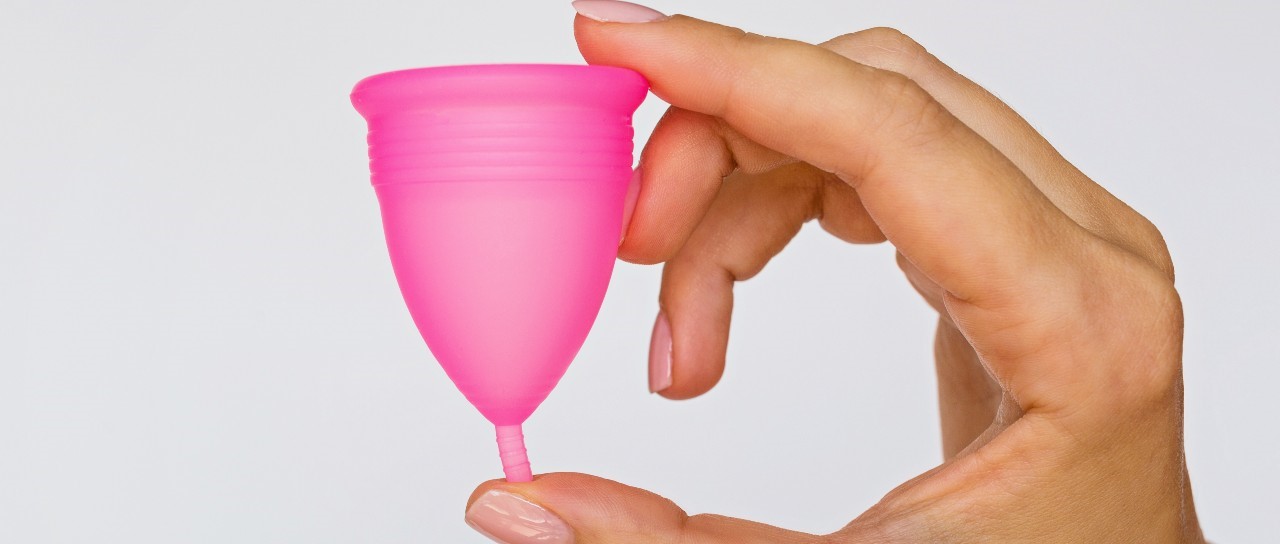
Les coupes menstruelles peuvent-elles aider à lutter contre la précarité menstruelle ?
La précarité menstruelle est apparue alors que les gens peinent à accéder aux produits menstruels en raison de contraintes financières, et elle affecte la vie quotidienne de millions de personnes menstruées à travers le monde. 1 personne sur 10 qui menstruent dans le pays ne peut pas se permettre d'acheter des produits menstruels.
par Emily Jane Bashforth
À propos de l'auteurVoir la biographie complète

Sarah Graham
Journaliste santé indépendant
MA, Journal, Journalisme
Sarah Graham est une journaliste de santé indépendante primée et fondatrice du blog féministe sur la santé des femmes Hysterical Women.
À propos du critiqueVoir la biographie complète

Dr Sarah Jarvis
Consultant Clinique
MA (Cantab), BM, BCh (Oxon), DRCOG, FRCGP, MBE
Après avoir suivi une formation en médecine à Cambridge et Oxford, le Dr Sarah Jarvis MBE est devenue médecin généraliste.
Historique de l'article
Les informations sur cette page sont examinées par des cliniciens qualifiés.
Article également disponible en Anglais, Allemand, Espagnol, Français, Italien, Portugais, Hindi, Hébreu, Arabe, and Suédois.
25 Apr 2019 | Dernière version

Demandez, partagez, connectez-vous.
Parcourez les discussions, posez des questions et partagez vos expériences sur des centaines de sujets de santé.

Vous ne vous sentez pas bien ?
Évaluez vos symptômes en ligne gratuitement
Inscrivez-vous à la newsletter Patient
Votre dose hebdomadaire de conseils de santé clairs et fiables - rédigés pour vous aider à vous sentir informé, confiant et maître de la situation.
En vous abonnant, vous acceptez notre Politique de confidentialité. Vous pouvez vous désabonner à tout moment. Nous ne vendons jamais vos données.
Plus sur la santé des femmes
- Peut-on prévenir les saignements intermenstruels sous pilule ?
- Vidéos sur la contraception
- Options de traitement du prolapsus génito-urinaire
- Comment les événements de la vie et le vieillissement peuvent changer votre vagin
- Mis à jourCombien de temps durent les symptômes de la ménopause ?
- Comment faire face au cancer du sein métastatique
- Comment soulager les douleurs articulaires pendant la ménopause
- Comment gérer les problèmes de peau à la ménopause
- Comment atteindre l'orgasme plus facilement pendant les rapports sexuels
- Comment traiter le vaginisme
- Devez-vous nettoyer votre vagin ?
- Le problème des 'hormones bioidentiques' pour la ménopause
- Les avantages et inconvénients des préservatifs féminins
- La vérité sur le SOPK et la ménopause
- Qu'est-ce qui peut causer une faible libido chez les femmes ?
- Quelles sont les causes des vertiges liés à la ménopause et comment les gérer ?
- Qu'est-ce qui cause votre douleur à la poitrine ?
- Pourquoi nous devons tous être conscients de notre poitrine'
- Le THS pour la ménopause sera-t-il bientôt gratuit en vente libre ?
- Votre alimentation et la ménopause