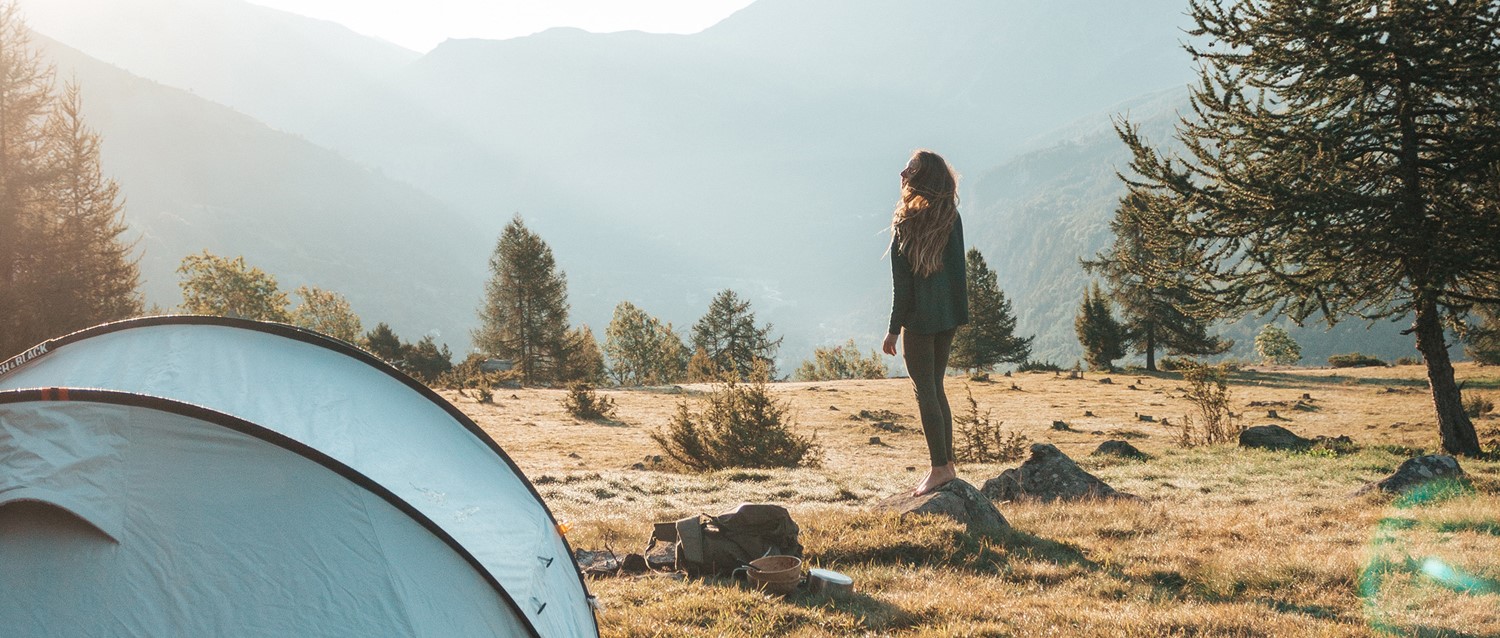
How to deal with your period at a festival
Peer reviewed by Dr Krishna Vakharia, MRCGPLast updated by Lydia SmithLast updated 6 Jun 2023
Meets Patient’s editorial guidelines
- DownloadDownload
- Share
- Language
- Discussion
- Audio Version
- Add to preferred sources on Google
The sun is out, you've packed your glitter and you're ready to let loose at a festival. But suddenly, you come on your period - and the last thing you've ever felt like doing is sleeping in a tent with limited access to showers. Dealing with your period at a festival or when you're camping isn't ideal, whether it's trying to change a tampon in a hot Portaloo, or coping with cramps when you just want to have fun.
As anyone who has dealt with menstruation while camping will attest, there are a number of reasons why it's difficult. It might be that you weren’t expecting your period to arrive and forgot to pack essentials, like sanitary towels or tampons.
Although many of us would choose warm weather over drizzle, being hot and sweaty can make us feel uncomfortable, particularly if there is limited access to showers or washing facilities. Festival toilets are often hot and dirty and it can be challenging to change a tampon while trying not to touch anything accidentally.
Dr Vanessa Mackay, consultant gynaecologist and spokesperson for the Royal College of Obstetricians and Gynaecologists, says: "The start of a period can be difficult if someone does not have sanitary protection with her and/or does not have a bathroom or other private room. You can prepare for this by keeping sanitary options, such as towels, tampons or menstrual cups with you if you are expecting the start of your period. It can also help to be aware of where the toilets are."
When you're on your period, it can be a pain to have to walk further to get to a toilet, where you will most likely have to queue. And coming on your period at night can bring a whole host of other problems. These can range from trying to find your torch, sanitary products and toilet roll in the dark, to traipsing around tents and guy ropes to the facilities.
Rosie*, 30, says: "I once woke up in the middle of the night in a freezing cold tent - it was raining heavily, I was bleeding heavily and I could feel that I was leaking. I knew if I got out of the tent I wouldn't make it to the toilets at the other side of the campsite without making a mess and getting drenched.
"I didn’t have much choice but to change my tampon in my sleeping bag," she adds."Luckily I had baby wipes and some nappy sacks where I could clean myself up and wrap the used tampon up until I could discard of it in the morning."
At another festival, she forgot to bring painkillers and struggled with period pain.
"You're rolling around your tent in pain and you're out of painkillers and tampons - where do you get more when you're stuck on a festival site with no shops and only trees surrounding you?" she says. "I almost packed up and left because I didn't know what else to do."
If you've spent money on an expensive festival ticket, it can be frustrating to struggle through the symptoms of premenstrual syndrome too, such as mood swings and feelings of anxiety and irritability, as well as tiredness, bloating, cramps and headaches.
So what is the best way to handle your period when camping?
Pack well
Firstly, it's important to pack the right things. Even if you aren't expecting to come on your period, it can't hurt to bring sanitary items with you just in case. It's also important to bring painkillers, plenty of water, extra toilet roll and disposal sacks with you too.
"It is helpful to ensure you have an adequate supply of sanitary towels, tampons or whatever you use during your period," says Mackay. "It may also be helpful to get some hygiene wipes to stay clean in the absence of proper washing facilities."
There are wipes available to buy that are designed specifically for the vagina, or you can get water-based, sensitive baby wipes. And it can also help to make sure you have a bottle of water with you when you go to the toilet, so you can have a quick rinse if you need.
Think about your clothes
A cute playsuit might look great at a festival, but it will become your worst enemy when trying to change a tampon in a Portaloo. Comfortable, breathable clothes that you can easily get on and off - like dresses, shorts or leggings - are a more practical choice.
And if you do accidentally leak, it's handy to keep a few spare pairs of underwear in your tent or in a small backpack you can carry around - so you can change into them if you need to.
Be safe
It's easy to forget about changing your tampon when you're having fun at a festival, but it's important to make sure you follow guidelines on how often to change it.
This will help to avoid leaks and more serious conditions like toxic shock syndrome, a rare but life-threatening condition caused by bacteria getting into the body and releasing harmful toxins. If you're likely to forget, set an alarm on your phone or watch, or ask a friend to remind you.
Consider a menstrual cup
It's important to use whatever sanitary protection you prefer - what you are most used to and find comfortable - but some recommend trying a menstrual cup.
"One of the potential benefits of using a menstrual cup at a festival is the reduced need for carrying sanitary towels or tampons and no need for disposal," says Mackay. "A menstrual cup is placed inside the vagina and collects blood, rather than absorbing it. It can then be emptied, washed and reused.
"Menstrual cups can be worn for up to 12 hours, potentially alleviating the need to change as regularly as traditional sanitary protection - but this will vary between individuals.
If you're thinking about using a menstrual cup during a festival or camping trip, it would be beneficial to try it out the month before so you are comfortable with the insertion, removing the cup and cleaning it. You should also pack sanitary towels or tampons so you have another option."
Take time out if you need to
This is perhaps easier said than done at a festival, but if you're struggling with feelings of anxiety or other mood problems, it's OK to take it easy.
Drink plenty of water and stay hydrated. And remember, overdoing it with alcohol may make you feel worse and ruin the rest of the festival. It's perfectly fine to take some time out to relax in the shade with an ice cream, if you need to.
Delay your period
If you know you are due to come on while you're camping, it's possible to delay your period. You can do this by taking the medications norethisterone or provera - these are available at pharmacies.
Although there is no guaranteed way to postpone your period, it might also be possible if you take the combined contraceptive pill back-to-back. It's worth bearing in mind, though, that using this method to delay your period carries a risk of breakthrough bleeding (bleeding at a time when you aren't expecting your period), due to hormonal fluctuations.
Before you delay your period, you should speak with your pharmacist or GP who can advise the best option for you.
Patient picks for Periods and period problems
Women's health
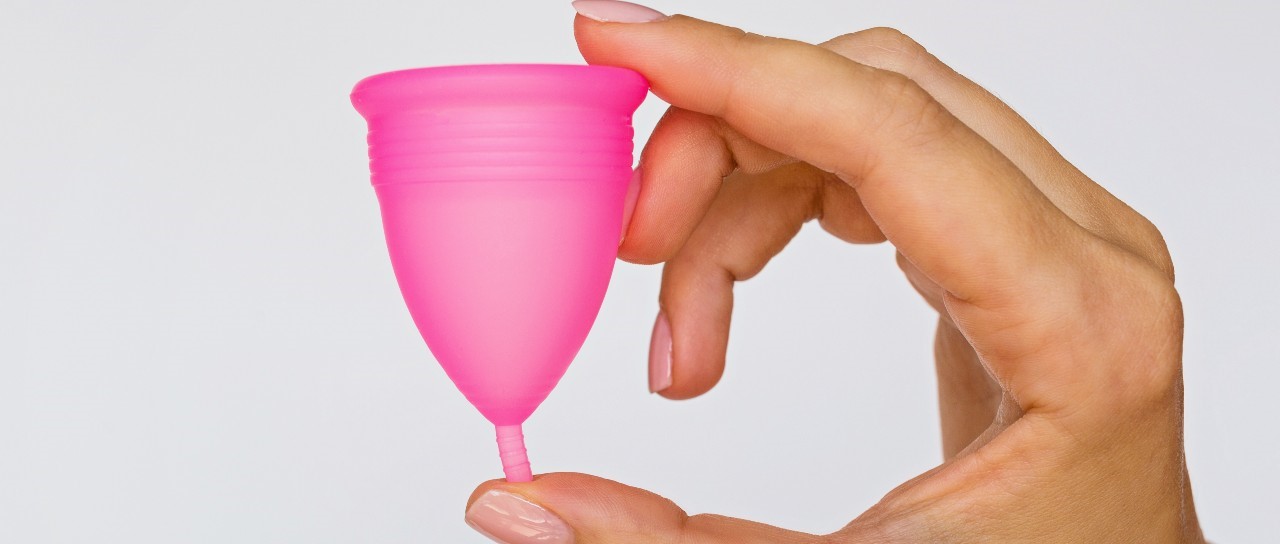
Can menstrual cups help fight period poverty?
Period poverty arose as people struggle to access period products due to financial constraints, and it affects the daily lives of millions of menstruators around the world. 1 in 10 people who menstruate across the country can't afford to buy menstrual products.
by Emily Jane Bashforth
Women's health
Painful periods cost women nine days of productivity every year
Nearly nine days of productivity are being lost each year to period symptoms, according to a new study.
by Milly Evans
About the authorView full bio
Updated by

Lydia Smith
Feature writer
BA, MA, MSc
Lydia Smith is an award-winning journalist and feature writer who has written extensively on women's health and mental health. She is currently studying for an MSc in psychology.
Authored by
Lydia Smith
Feature writer
BA, MA, MSc
Lydia Smith is an award-winning journalist and feature writer who has written extensively on women's health and mental health. She is currently studying for an MSc in psychology.
About the reviewerView full bio

Dr Krishna Vakharia, MRCGP
Chief Medical Officer for Health, Optum UK
MBChB, MRCGP(2013), BMedSci (hons), DFSRH, DRCOG, PGDipDerm (Distn)
Dr Krishna Vakharia is an NHS GP. She is also a regular examiner for the postgraduate Diploma in Practical Dermatology at Cardiff University as well as being the Chief Medical Officer for health at Optum UK.
Article history
Article also available in English, German, Spanish, French, Italian, Portuguese, Hindi, Hebrew, Arabic, and Swedish.
Next review due: 15 Jul 2026
6 Jun 2023 | Latest version
15 Jul 2019 | Originally published
Authored by:
Lydia Smith
Join the conversation
Share your thoughts or experiences with others in our patient communities.

Ask, share, connect.
Browse discussions, ask questions, and share experiences across hundreds of health topics.

Feeling unwell?
Assess your symptoms online for free
Sign up to the Patient newsletter
Your weekly dose of clear, trustworthy health advice - written to help you feel informed, confident and in control.
By subscribing you accept our Privacy Policy. You can unsubscribe at any time. We never sell your data.