
What a missed period could mean if you're not pregnant
Peer reviewed by Dr Sarah JarvisAuthored by Sara LindbergOriginally published 26 Feb 2018
Meets Patient’s editorial guidelines
- DownloadDownload
- Share
- Language
- Discussion
- Audio Version
- Add to preferred sources on Google
Does your period show up like clockwork each month? If you're not pregnant, you might be wondering why you've skipped right past the one week you dread every month. But here's the thing: missed or late periods happen for many reasons other than pregnancy. We speak to the experts about a few common causes of irregular periods.
The average length of a menstrual cycle is 28 days, but anything from 24 to 35 days is considered normal. Skipping right past this time frame can cause you a lot of stress, especially if you're not trying to get pregnant.
But while pregnancy is one of the main reasons for a loss of menses, it's not the only culprit when your period comes up missing. Here are some other common reasons you might be missing your period.
Stress.
Infection.
Pelvic organ issues such as polycystic ovary syndrome (PCOS).
Hyperprolactinaemia (a condition where the hormone prolactin is too high).
Some medications.
Increased amount of exercise.
Weight gain or loss.
Hormonal changes.
Thyroid disorders such as hypothyroidism (underactive thyroid gland).
Pituitary gland disorders.
Approaching menopause.
Changes in diet.
Some forms of hormonal contraception.
When should you worry about absent periods?
If you've taken a pregnancy test and it comes back negative, the next thing to do is track how often this is happening. "The occasional missed period is not unusual," says Dr Karen Morton, consultant gynaecologist and founder of Dr Morton's. But if periods become generally infrequent or stop altogether, Morton says it's time to pay closer attention to what is going on.
When to see your GP
Morton recommends speaking with your GP if your periods are fewer than every three months. And if you're trying to conceive, Morton suggests medical intervention if your cycle is longer than 32 days.
Additionally, you should see your doctor if:
You have not had a period for nine months but your periods have always been infrequent.
You have hot flushes and you're under the age of 45.
You have lost weight or your BMI is 19 or less.
You feel unwell.
You've not had a period for six months after stopping the contraceptive pill.
Gynaecologist, Dr Tami Prince, tells patients that if their periods have consistently been regular and then become irregular, it's time to look for causes. On the flip side, she says women often tell her they've always had irregular periods. But just because a period has always been irregular doesn't mean it's normal. That's why Price recommends that you be evaluated if you're having irregular periods.
What are the possible health consequences?
In the short term, skipping periods shouldn't cause you harm. However, if it goes on for a longer time, it may cause some problems. Price says the major potential long-term consequences of irregular periods, particularly if you have PCOS are:
An increased risk of endometrial hyperplasia (which occurs when the lining of the uterus becomes too thick).
An increased risk of insulin resistance or type 2 diabetes.
A higher risk of heart disease.
In rare cases, irregular periods - could signal womb cancer.
Missed periods and fertility
If your future plans include trying to get pregnant, you might be wondering what your missed periods mean for your fertility. Unfortunately, there's not a simple answer to this question.
Dr Angela Jones, a gynaecologist, says it really depends on why you're not getting a period. Some of the more common reasons for missing your period, such as recent weight loss or gain, or medications, are reversible.
But, if you're dealing with things like PCOS, which causes ovulatory dysfunction, Jones says steps will need to be taken to manage this in order to help you ovulate regularly.
After all, if you aren't ovulating, you can't get pregnant. This may be a reason to see a specialist. However, it's important to remember that even if you're not ovulating regularly, you can still get pregnant. So if you don't want to conceive, it's essential to use reliable contraception every time you have sex.
Tips to make your periods more regular
Once the cause of the irregularity is found, Price says treatment is tailored to that cause, whether it is treating infection, decreasing stress, stopping breastfeeding, or correcting hormonal imbalances. Here are some other changes you can try to get your period back on track:
Focus on your lifestyle
Jones frequently tells patients that leading a healthy lifestyle which includes a good diet and exercise, minimising stress, and getting an adequate amount of rest, are all good things to help ensure you will have and/or maintain a regular cycle.
Change your contraception
If the current birth control method you're using is causing you to skip your period, speak to your GP. If you're using a hormonal coil such as the Mirena®, periods usually become lighter, less painful and often stop.
Gain weight if you're underweight
Meet with a dietician to create a plan for gaining weight. If you're missing your period due to a low body weight, talk with your GP and dietician about healthy ways to put on weight.
Lose weight if you're overweight
Excess body fat can cause your periods to become irregular. Meet with your GP or practice nurse, who may be able to refer you to a dietician to discuss ways to lose weight. Even losing 5% of your body fat can help get your cycles back on track. This can be particularly helpful if you're dealing with PCOS.
Exercise
Make sure you're getting the right amount of exercise. Excessive exercise has been shown to cause problems to cause menstrual irregularities, so cutting back on the amount you're doing might help regulate your period.
Patient picks for Periods and period problems
Women's health
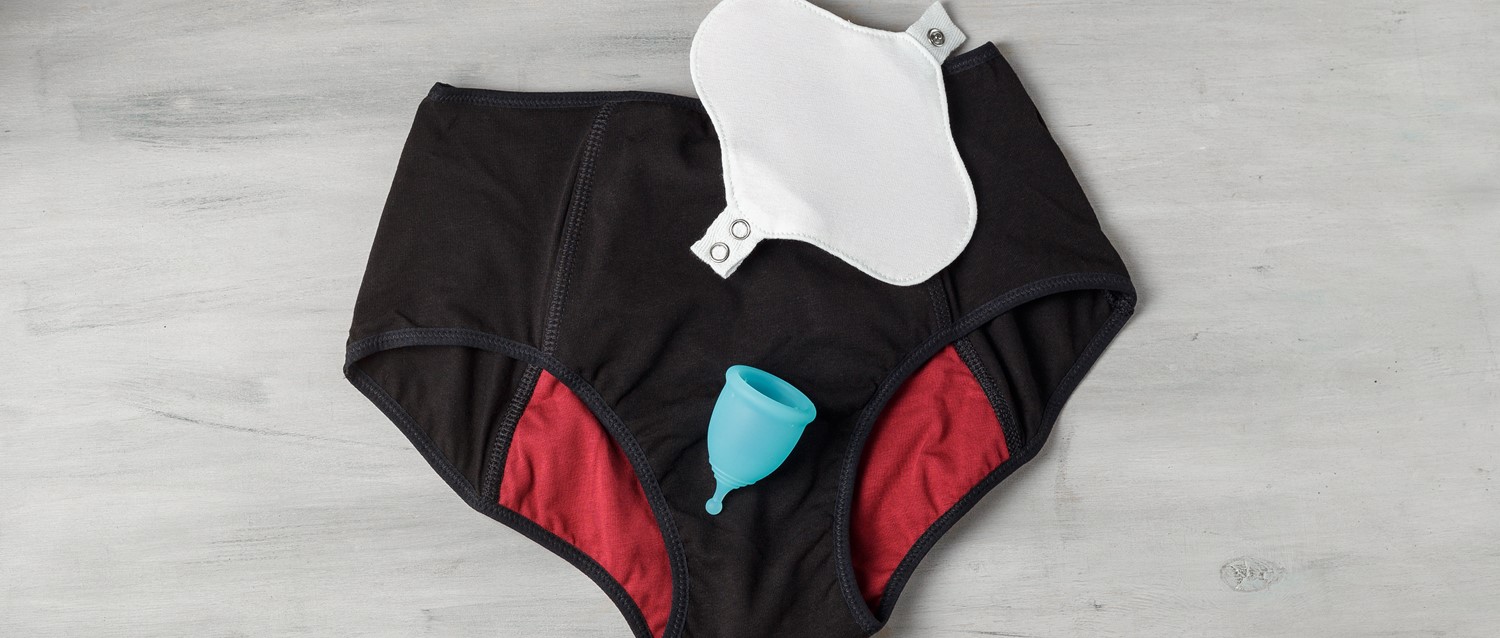
How to have a more eco-friendly period
Single use menstrual products (such as tampons, applicators and pads), generate up to 200,000 tonnes of waste per year, as most period pads are made from 90% plastic. This is having a detrimental impact on the environment. In this article we explore how you can have a more sustainable period and do your bit for the planet while still practising self-care.
by Emily Jane Bashforth
Women's health
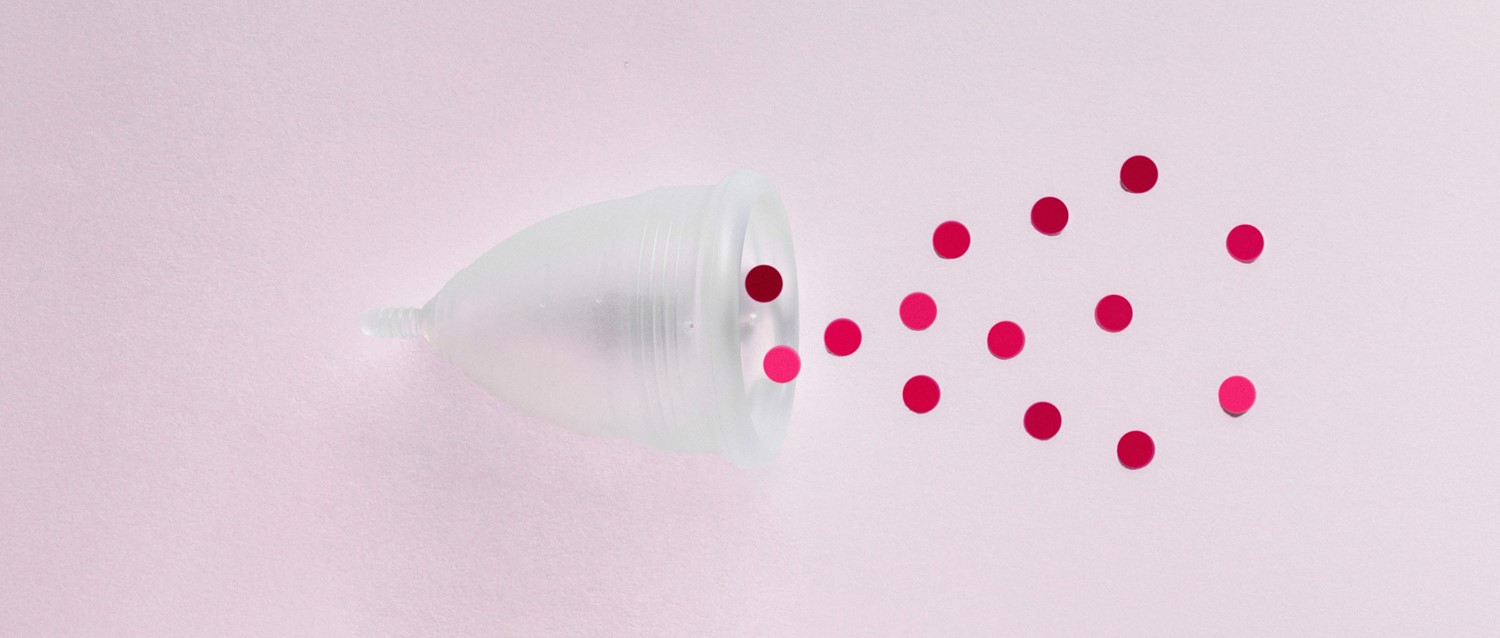
Menstrual cups as safe and effective as pads and tampons
The first ever scientific review of menstrual cups has found that they are safe to use and are as, if not more, effective than other sanitary products.
by Milly Evans
About the authorView full bio

Sara Lindberg
Senior Writer
BSc (Hons), MSc
Sara Lindberg is a freelance health, fitness, and wellness writer.
About the reviewerView full bio

Dr Sarah Jarvis
Clinical Consultant
MA (Cantab), BM, BCh (Oxon), DRCOG, FRCGP, MBE
After training in medicine at Cambridge and Oxford, Dr Sarah Jarvis MBE became a GP.
Article history
Article also available in English, German, Spanish, French, Italian, Portuguese, Hindi, Hebrew, Arabic, and Swedish.
26 Feb 2018 | Originally published
Authored by:
Sara LindbergPeer reviewed by
Dr Sarah Jarvis
Join the conversation
Share your thoughts or experiences with others in our patient communities.

Ask, share, connect.
Browse discussions, ask questions, and share experiences across hundreds of health topics.

Feeling unwell?
Assess your symptoms online for free
Sign up to the Patient newsletter
Your weekly dose of clear, trustworthy health advice - written to help you feel informed, confident and in control.
By subscribing you accept our Privacy Policy. You can unsubscribe at any time. We never sell your data.
More in women's health
- Breast cancer videos
- Contraception videos
- Easy ways to get the pill: options beyond the GP surgery
- How to ease your menopause sleep problems
- How your periods change during perimenopause
- HRT: fact-checking risks and benefits
- New insight into breast cancer risk after stopping HRT
- PCOS diet: What to eat to manage symptoms
- Pelvic pain: a woman's guide to common causes
- Quiz: When will I get my first period?
- Should you exercise during period times?
- The 'second puberty': why you might be breaking out in your thirties
- The truth about HRT
- Video: Are fibroids cancerous?
- What happens when you come off the pill?
- What is vulvar dermatitis?
- What women need to know about autoimmune conditions
- What's the link between menopause and cholesterol?
- When will I become fertile again after coming off contraception?
- Why getting outdoors can support you through menopause