
What are the benefits of collagen, and can it prevent skin ageing?
Peer reviewed by Dr Krishna Vakharia, MRCGPLast updated by Amberley DavisLast updated 16 Nov 2023
Meets Patient’s editorial guidelines
- DownloadDownload
- Share
- Language
- Discussion
- Audio Version
- Add to preferred sources on Google
Known for its ability to prevent and repair the signs of skin ageing, collagen features as the star ingredient in many anti-ageing beauty products. Our bodies naturally produce this protein, and following a nutrient-rich diet can help to ensure that our collagen stores are healthy.
But are there any benefits of collagen supplements and creams? And if so, which form works best?
Is collagen good for you?
In the beauty industry, there's plenty of buzz around collagen. You can find collagen listed as the star ingredient in many anti-ageing facial lotions as well as collagen supplements in the form of tablets, powder or drinkable liquid options.
These products claim that absorbing collagen through supplements and collagen creams can keep your skin healthy and beautiful, by working in a similar way to the collagen our bodies naturally produce.
We explore how our natural source of collagen plays a key role in skin health and appearance, and look at the other health benefits of collagen.
Derrick Phillips, consultant dermatologist at the Cadogan Clinic, says "Collagen is a key structural protein that is naturally produced by our bodies. It acts as scaffolding, providing support to the skin, ligaments, muscles and bones."
What does collagen do for skin?
Mehmet Göker, a dermatology specialist at Vera Clinic, explains how collagen plays a key role in skin health: "Collagen helps skin cells stick to one another and also gives the skin strength and elasticity. Collagen production decreases with age, which contributes to skin wrinkling and sagging. Collagen is what keeps our skin from sagging, giving us that plump, youthful look."
As we get older, our bodies produce less collagen. Existing collagen fibres are also prone to damage, meaning they lose their strength and thickness which results in skin ageing1. According to Phillips, this process can be "accelerated by UV exposure, smoking and pollution leading to fine lines, wrinkles, and dry skin".
What are the benefits of collagen?
In the beauty industry, collagen is valued for its ability to make skin appear more youthful, but the health benefits of collagen extend much further.
Collagen is also important for:
Healthy bones - collagen contributes to the formation of strong bones2 that are less prone to breakage, plays a role in bone tissue regeneration3, and prevents bone loss.
Healthy joints - lower collagen production can increase the rate of cartilage and joint degradation and has been linked with osteoarthritis4.
Muscle mass - collagen is also an important component of muscle mass5.
Heart health - collagen also provides structure to the blood vessels (arteries) that carry blood from the heart to the rest of your body. Lower collagen levels may cause arteries to become less flexible6 which can lead to heart problems.
What is the best source of collagen?
In Great Britain, the skincare industry is worth More than £2 billion7. The leading category in this market is cosmetic facial care, worth around £1 billion8. These are the products people buy to improve their appearance, rather than to address a medical problem, and this popular category includes collagen creams and collagen supplements to fight the appearance of skin ageing.
Although these beauty products claim to have a significant impact on skin ageing, the vast majority of collagen comes through our diets. Collagen is made up of amino acids, the building blocks of proteins. Eating a protein-rich diet means we are consuming enough amino acids for our bodies to produce a good amount of collagen naturally.
"Whether or not you use collagen beauty products, you must eat a healthy diet that includes all the amino acids for your body to make its own supply of collagen," advises Göker.
Do collagen creams work?
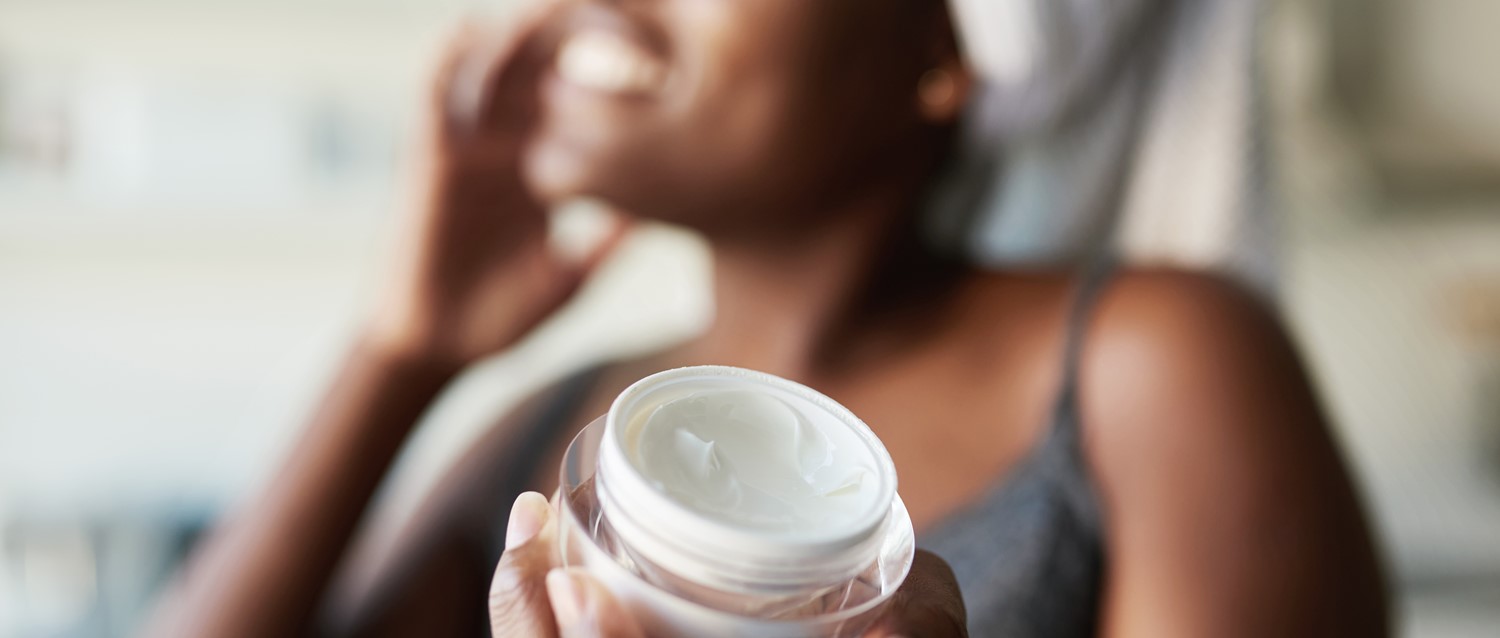
Moisturising collagen creams are rubbed onto the skin. Therefore, the ability of these lotions to reduce visible wrinkles, dryness, and skin sagging depends on how well collagen can be absorbed through the skin.
"Collagen-containing beauty creams hydrate the skin but are unable to provide the same structural support as naturally produced collagen," says Phillips. "This is because collagen is a large molecule that cannot get into the inner layer of the skin - the dermis - where it needs to be to to work effectively. In general, these creams will moisturise but are less likely to have an impact on wrinkles and fine white lines."
Emma Hughes, consultant doctor and Pura Collagen expert, agrees that collagen creams are not the most effective source of collagen: "The skin's number one job is to keep things out of the body, so when you're attempting full-scale change, you need to alter that state of skin, either from 'tweakments' like resurfacing or injectables, or from within by collagen-boosting supplementation. I find that a combination of both is effective."
Are collagen supplements safe?
There has been more research into the benefits of collagen supplements. One 2019 review of 11 studies involving 805 participants found that oral collagen supplements produced promising results for skin ageing, increasing skin elasticity, hydration, and skin thickness which can reduce fine lines9. The review also concluded that collagen supplements are generally safe as no side effects were reported.
Hughes describes how collagen supplements work: "Due to the body's natural wind-down of producing collagen effectively as we age, specific collagen supplementation can be very effective at stimulating the fibroblasts - the cells that produce collagen."
Hughes says to look for collagen blends that:
Are clean - meaning they are free from fillers, stabilisers and/or sweeteners.
Use patent hydrolysed collagen peptides - these are forms of collagen that are broken down and are therefore easier to digest.
Use key supporting ingredients like vitamin C and biotin - these support the body's natural collagen production.
In most studies, the dosages of collagen supplements range from 2.5 grams of collagen per day (g/d) to 10 g/d and were shown to be both safe and effective. Evidence suggests that the amount you choose to take may depend on what other benefits of collagen supplementation you wish to see.
While all appeared to improve skin ageing, the following doses were shown to have the following benefits:
2.5 g/d - may benefit skin health10, joint health11, and improve hydration12.
5 g/d - may improve bone density13.
15 g/d - may improve muscle mass10.
How to get collagen in your diet
These products should only ever be used in addition to - and not as a replacement for - a healthy diet that enables your body to make its own collagen supply.
"My main advice to increase and absorb more collagen is to focus on your diet," says Göker. "When your body makes collagen, it combines amino acids. These are the nutrients you gain from eating protein-rich foods like beef, chicken, fish, beans, eggs and dairy products.
"This process also requires vitamin C, zinc, and copper. Eating foods rich in vitamin C and amino acids can increase the levels of hyaluronic acid and collagen in the body. Both are important for healthy skin."
Research shows that people following restrictive diets are at risk of decreasing their collagen production and increasing their rate of collagen ageing14. However, being overweight is also linked to ageing15.
Collagen ageing doesn't just affect your skin's appearance. It concerns your cartilage, heart ventricles, and artery walls - and issues with these can lead to a number of serious health problems.
Foods that promote collagen production
Protein sources (containing amino acids) - includes chicken, beef, fish, pork, eggs, Greek yoghurt, cottage cheese, and beans.
Vitamin C sources (crucial for collagen synthesis) - includes citrus fruits, strawberries, potatoes, peppers, and broccoli.
Foods containing gelatin (a protein substance derived from collagen after it's cooked) are usually obtained by boiling animal skin, tendons, ligaments, and/or bones in water.
Further reading
Rodríguez et al: Collagen: A review on its sources and potential cosmetic applications.
Garnero: The role of collagen organization on the properties of bone.
Statista: Market value of skincare products in Great Britain from 2009 to 2022.
Statista: Market value of skincare cosmetics in Great Britain in 2022, by product type.
Choi et al: Oral collagen supplementation: a systematic review of dermatological applications.
Schuss et al: Effect of the novel low molecular weight hydrolyzed chicken sternal cartilage extract, BioCell Collagen, on improving osteoarthritis-related symptoms.
Bolke et al: A collagen supplement improves skin hydration, elasticity, roughness, and density.
Salvestrini et al: Obesity may accelerate the aging process.
Patient picks for Skincare

Skin, nail and hair health
Chemical peels: benefits, costs, risks, and recovery
Chemical peels have become increasingly popular as a means of tackling uneven skin texture, anti-ageing, tightening, diminishing fine lines, and more. But do they work?
by Emily Jane Bashforth
Skin, nail and hair health
How to care for black skin during winter
If you have black skin, there are certain habits you can adopt in order to keep your skin feeling and looking healthy, and to avoid problems during the cold winter. Getting to know your skin and how it changes throughout the year, and also how different products work, can help you construct a trusty routine to keep your skin hydrated and happy.
by Emily Jane Bashforth
About the authorView full bio
Updated by

Amberley Davis
Senior writer
BA (Hons), CPD
Amberley is a senior writer with Patient and has written extensively on a range of health and wellbeing topics.
Authored by
Amberley Davis
Senior writer
BA (Hons), CPD
Amberley is a senior writer with Patient and has written extensively on a range of health and wellbeing topics.
About the reviewerView full bio

Dr Krishna Vakharia, MRCGP
Chief Medical Officer for Health, Optum UK
MBChB, MRCGP(2013), BMedSci (hons), DFSRH, DRCOG, PGDipDerm (Distn)
Dr Krishna Vakharia is an NHS GP. She is also a regular examiner for the postgraduate Diploma in Practical Dermatology at Cardiff University as well as being the Chief Medical Officer for health at Optum UK.
Article history
Article also available in English, German, Spanish, French, Italian, Portuguese, Hindi, Hebrew, Arabic, and Swedish.
Next review due: 16 Nov 2026
16 Nov 2023 | Latest version
9 Mar 2022 | Originally published
Authored by:
Amberley Davis
Join the conversation
Share your thoughts or experiences with others in our patient communities.

Ask, share, connect.
Browse discussions, ask questions, and share experiences across hundreds of health topics.

Feeling unwell?
Assess your symptoms online for free
Sign up to the Patient newsletter
Your weekly dose of clear, trustworthy health advice - written to help you feel informed, confident and in control.
By subscribing you accept our Privacy Policy. You can unsubscribe at any time. We never sell your data.