Prévention du VIH chez les femmes : l'importance de l'anneau vaginal
Revu par Dr Krishna Vakharia, MRCGPDernière mise à jour par Amberley DavisDernière mise à jour 1 déc. 2022
Respecte les directives éditoriales
- TéléchargerTélécharger
- Partager
- Language
- Discussion
- Version audio
- Ajouter aux sources préférées sur Google
Les techniques de prévention du VIH chez les femmes sont essentielles dans la lutte contre le VIH. En Afrique subsaharienne, où le taux d'infection par le VIH est le plus élevé, les femmes et les filles représentaient 63 % de toutes les nouvelles infections par le VIH en 2021. L'anneau vaginal de dapivirine est une méthode de prévention du VIH contrôlée par les femmes et à action prolongée.
A HIV prevention method for high-risk women
The United Nations estimated that there were 38.4 million people living with human immunodeficiency virus (HIV) at the end of 2021. Around 54% are women, the majority of whom live in sub-Saharan Africa.
The importance of women's HIV prevention methods has long been recognised in the fight against HIV. In early 2021, WHO recommended a promising new option called the Dapivirine vaginal ring (DPV-VR) for use in addition to other HIV prevention methods by "women at substantial risk of HIV infection".
This is the first anneau vaginal for HIV prevention, and now le anneau has been approved dans many low-income, high VIH risk countries, including Kenya, Uganda, South Africa, Zambie et Zimbabwe.
Both its safety and efficacy have been demonstrated in several studies. The initial Aspire et Ring studies involved over 4,500 women aged 18-45 in Malawi, South Africa, Uganda and Zimbabwe.
Dapivirine vaginal ring studies - effectiveness compared to placebo
Aspire - 27% reduction in risk.
Vaginal ring - 31% reduction in risk.
Two further open-label extension studies, known as DREAM et HOPE, offered all women involved the opportunity to use the vaginal ring. These studies: "Found that ring was well tolerated, consistent with the safety profile seen in ASPIRE, and the majority of women from ASPIRE chose the ring being offered. Measures of adherence also indicated they were willing to use the ring to protect themselves against HIV."
What puts women at risk for HIV?
It may come as a surprise that such a high percentage of women become infected with HIV. After all, they're not often listed as one of the key high-risk groups:
Sex workers and their clients.
Hommes ayant des relations sexuelles avec des hommes.
Personnes qui s'injectent des drogues.
Transgender people and their partners.
Yet according to UNAIDS, around 4,900 young women aged 15-24 years become infected with HIV every week. In sub-Saharan Africa, these women are twice as likely to be living with HIV as men are in sub-Saharan Africa.
HIV is most prominent in low-income and middle-income countries, and of these eastern and southern Africa hold the majority of people vivre avec le VIH by some way - around 20.6 million. In these high-risk areas, young women and adolescent girls are particularly affected due to the following factors.
Biological factors
Women are more vulnerable than men to les infections sexuellement transmissibles (STIs) because during vaginal intercourse a greater area is exposed to the virus. Adolescent girls are even more susceptible, due to their underdeveloped cervix and low vaginal mucus production.
Sociocultural factors and gender inequality
In high-risk, low-income regions, there are many social, cultural and political factors that contribute toward gender inequality and impede a women's ability to protect herself.
Tragically, UNAIDS reports that over a third of women around the world have experienced physical or sexual abuse at some point in their lives. In HIV high-risk regions, these women are 1.5 times more likely to acquire HIV, and many women and girls are unable to control who they have sex with.
Marriage offers no protection, and the prevalence of marriages between girls/young women and older men contributes to the spread of HIV. There is a greater chance of older partners being HIV-positive than same age peers.
Economic factors
In low-income countries, not only can the cost of HIV prevention methods or access to health care be a limitation, but women tend to be financially dependent on men. This power dynamic makes it hard for women to negotiate condom use, or to refuse sex if they suspect the partner is infected.
How can HIV be prevented?
The main way to protect against HIV is to practise rapports sexuels protégés and to stop other activities that put you at risk, such as sharing needles.
HIV may also be prevented by:
Post-exposure prophylaxis (PEP) - a course of anti-HIV medicines which may be offered by a doctor if you think you've been exposed to HIV.
Pre-exposure prophylaxis (PrEP) - taken regularly, this reduces the risk of catching HIV and is available on the NHS through sexual health clinics.
If you inject drugs, don't share needles or other injecting equipment.
Si vous êtes pregnant and have HIV, then special antenatal care can reduce the risk of the virus passing on to your baby.
The Dapivirine vaginal ring isn't as effective as PrEP, pre-exposure prophylaxis, in preventing HIV. This is a big reason why this vaginal ring hasn't yet been licensed in high-income countries, like the UK and US, where PrEP is more widely available.
However, in low-income, high-risk regions, the statistics on HIV prevalence among females underscore the need for more HIV prevention methods that females can access and use easily without having to rely on men.
What is a vaginal ring?
The vaginal ring is a promising method of safer sex because it is both woman-controlled and long-acting (it can provide a sustained release of medicines without frequent replacement).
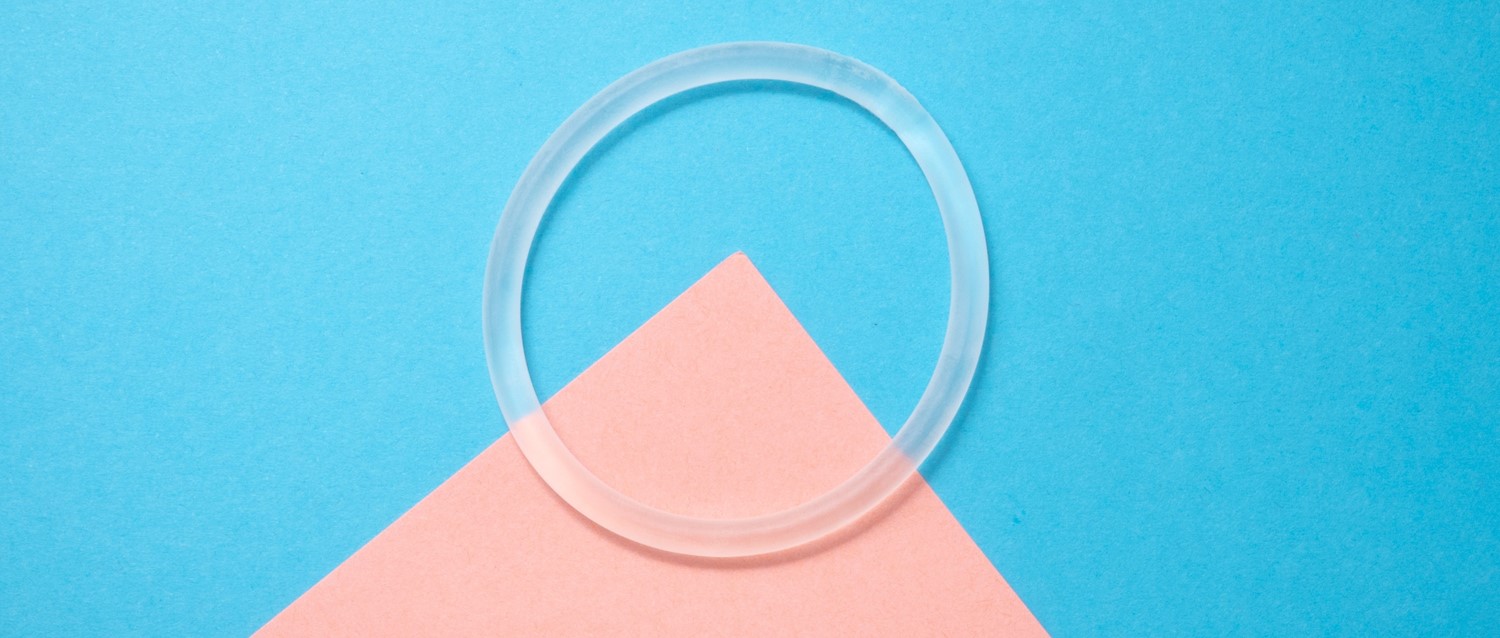
For many years, the anneau vaginal contraceptif has provided protection against unwanted la grossesse by releasing the hormones oestrogen and progestogen into the vagina. The ring is just over 5 cm in diameter and is thin and flexible.
How does the Dapivirine vaginal ring work?
The Dapivirine vaginal ring is the first vaginal ring created for HIV prevention. It's important to note that it doesn't also release hormones to prevent pregnancy, although research to develop a ring that includes both contraception and HIV prevention is underway.
As the name suggests, the vaginal ring contains Dapivirine, an antiretroviral medicine which slows down the rate of virus replication in the body to the point that the levels are too low to weaken the système immunitaire. Dapivirine is released slowly to reduce the risk of local HIV infection in the vagina.
WHO makes it clear that this vaginal ring is an addition - not a substitute - to other safer sex practices. As well as providing no protection against unwanted pregnancy, it can't prevent other STIs.
The Dapivirine vaginal ring needs to be replaced every month (28 days). Women insert it into the vagina themselves, and it is made from silicone which makes it easy to bend.
Avantages
Effectiveness at HIV prevention - on average, studies suggest that the risk of HIV is reduced by about 30%.
Safe to use - no safety concerns or side-effects have been reported.
Self-insertion - gives women more control over their sexual health.
Long-acting - does not require daily use. Recherche suggests low rates of use for daily methods of protection (such as PrEP oral pills and vaginal gels) either due to forgetting, boredom, mistiming, being too busy, or other social impediments.
More choice - means more women can find an HIV prevention method that works for them. For example, WHO suggests using alongside oral PrEP as a choice for women who do not want, or are unable to take, a daily oral tablet.
Potential limitations
The reduction rate of HIV is considered to be moderately (rather than highly) effective.
In the ASPIRE study, no reduction rate of HIV was observed in participants under 21. However, the other studies found there to be a reduced rate of infection in this age group. One possible explanation is that this group used the product less in comparison to other groups.
Although the Dapavirine vaginal ring has been branded a "product with modest efficacy", Global Advocacy for HIV Prevention (AVAC) believes that having multiple HIV prevention options is key to ending the HIV epidemic. Giving women a choice of preventative methods is "crucial to epidemic control".
The fact that this vaginal ring can be controlled and self-inserted by women, used discreetly and only needs replacing once a month is particularly important for the women most in need. These women tend to live in regions where women have little or no autonomy over their sexual health.
The Dapivirine vaginal ring is a step in the right direction in both the fight against HIV and the fight for gender health equality.
Sélections des patients pour VIH et SIDA
Santé sexuelle
Quelle est l'efficacité du PEP pour prévenir le VIH ?
De nos jours, nous savons tous que le VIH n'est pas une condamnation à mort. Grâce à la médecine moderne, les personnes vivant avec le VIH peuvent mener une vie longue, saine et tout à fait normale - ce qui, il y a seulement quelques décennies, aurait été considéré comme un miracle. Cela dit, si vous pensez avoir été exposé au VIH, il est compréhensible que vous soyez inquiet. Ne paniquez pas - si vous agissez rapidement, il existe une méthode fiable pour réduire votre risque : la prophylaxie post-exposition (PEP).
par Abi Millar

Santé sexuelle
Pourquoi la PrEP n'est-elle toujours pas disponible sur le NHS en Angleterre ?
Un traitement efficace combiné à des techniques de prévention efficaces ont réduit le nombre de nouvelles diagnoses de VIH. Alors pourquoi le NHS ne rend-il pas le médicament qui peut prévenir le VIH (PrEP) accessible à tous ceux qui sont à risque ?
par Milly Evans
À propos de l'auteurVoir la biographie complète

Amberley Davis
Rédacteur senior
BA (Hons), CPD
Amberley est une rédactrice senior chez Patient et a écrit de manière approfondie sur une gamme de sujets liés à la santé et au bien-être.
À propos du critiqueVoir la biographie complète

Dr Krishna Vakharia, MRCGP
Médecin-chef pour la santé, Optum UK
MBChB, MRCGP(2013), BMedSci (hons), DFSRH, DRCOG, PGDipDerm (Distn)
Le Dr Krishna Vakharia est un médecin généraliste du NHS. Elle est également examinatrice régulière pour le diplôme de troisième cycle en dermatologie pratique à l'Université de Cardiff, ainsi que médecin-chef pour la santé chez Optum UK.
Historique de l'article
Les informations sur cette page sont examinées par des cliniciens qualifiés.
Article également disponible en Anglais, Allemand, Espagnol, Français, Italien, Portugais, Hindi, Hébreu, Arabe, and Suédois.
1 déc. 2022 | Dernière version
30 nov. 2021 | Publié à l'origine
Écrit par :
Amberley Davis

Demandez, partagez, connectez-vous.
Parcourez les discussions, posez des questions et partagez vos expériences sur des centaines de sujets de santé.

Vous ne vous sentez pas bien ?
Évaluez vos symptômes en ligne gratuitement
Inscrivez-vous à la newsletter Patient
Votre dose hebdomadaire de conseils de santé clairs et fiables - rédigés pour vous aider à vous sentir informé, confiant et maître de la situation.
En vous abonnant, vous acceptez notre Politique de confidentialité. Vous pouvez vous désabonner à tout moment. Nous ne vendons jamais vos données.
Plus sur la santé sexuelle
- Peut-on prévenir les saignements intermenstruels sous pilule ?
- Le tabagisme affecte-t-il votre vie sexuelle ?
- VIH chez les femmes : ce que vous devez savoir
- Comment la maladie de Crohn peut affecter votre vie sexuelle
- Comment faire face à un diagnostic d'herpès génital
- Comment faire face à un diagnostic de VIH
- Est-il facile de faire un test de dépistage du VIH ?
- Votre mode de vie affecte-t-il votre libido ?
- Mythes sur la pilule du lendemain démystifiés
- Vidéos sur les IST
- Éducation sexuelle pour adolescents : les meilleures ressources numériques pour votre enfant
- Les IST dont vous n'avez jamais entendu parler
- Que se passe-t-il lorsque vous arrêtez la pilule ?
- Ce qu'il ne faut pas dire à quelqu'un qui éprouve des problèmes d'infertilité
- Que faire concernant la contraception après l'accouchement
- Que faire si vous pensez avoir une IST
- Quels types de préservatifs sont les meilleurs pour prévenir la grossesse ?
- Pourquoi les IST augmentent-elles chez les personnes âgées ?
- Pourquoi la violence sexuelle contre les hommes est-elle en augmentation ?
- Journée mondiale du SIDA : Où en sommes-nous avec le VIH ?