
Problèmes causés par le fait d'être en sous-poids
Revu par Dr Hayley Willacy, FRCGP Dernière mise à jour par Dr Sarah Jarvis MBE, FRCGPLast updated 20 Jun 2018
Respecte les directives éditoriales
- TéléchargerTélécharger
- Partager
- Language
- Discussion
- Version audio
- Add to preferred sources on Google
The media are full of scare stories about how many of us are obese and how much damage excess weight does to our health. But what happens when our bodies have less fat or essential nutrients than we need for good health?
Dans cet article:
Video picks for Obésité et perte de poids
Continuez à lire ci-dessous
How do I know if I'm underweight?
Your body mass index, or BMI, is the relationship between your weight and your height. A BMI of 20-25 is ideal; 25-30 is overweight and over 30 is obese. If your BMI is under 18.5, you're considered underweight. If your BMI is 18.5-20, you're a bit underweight and can't afford to lose more.
Some people naturally find it hard to put on weight. If your weight is constant and you have no long-term medical problems and a good diet, you probably don't need to worry. If you're malnourished, on the other hand, you definitely need to do something about it.
What's the difference between underweight and malnourished?
Retour au sommaireScarily, over three million people in the UK are malnourished or at risk of malnutrition. Most of them are older and have long-term health problems - one in three people going into hospital or care homes have malnutrition.
You don't have to be underweight to be malnourished - if, for instance, you've stopped eating healthily because of illness, you can lose weight and become malnourished even if your BMI isn't in the underweight range. If you've lost weight and you're now in the underweight range, you're at very high risk of malnutrition
Continuez à lire ci-dessous
How do I know if I'm malnourished?
Retour au sommaireIf you've been ill and not eating properly, or if you're underweight, ask your doctor about screening you with a simple questionnaire called the MUST tool. In my practice, I often find relatives of elderly loved ones are the people who flag this up as a possible issue. If you're concerned about a loved one, try the MUST score for them and speak with their doctor if you think they're at risk.
The MUST score
What's your BMI? (over 20 scores 0, 18.5-20 scores 1 and under 18.5 scores 2).
Have you lost weight without meaning to in the last 3-6 months? (under 5% weight loss scores 0, 5-10% scores 1, over 10% scores 2).
Have you been seriously unwell so that you haven't eaten any proper food for at least five days? (This rarely happens unless you're unwell enough to be in hospital, but scores 2 if the answer is yes.)
If your total score from steps 1-3 is 0, you're at low risk of malnutrition; if it's 1, you're at medium risk; 2 or more means high risk.
What are the risks of being malnourished?
Retour au sommairePossible problems include:
Getting more infections.
Taking longer to recover from illness.
Slow wound healing (eg, after surgery).
Irregular heart rhythms.
Higher risk of crise cardiaque.
Lack of periods, and infertility.
Continuez à lire ci-dessous
Could loss of weight mean something more?
Retour au sommaireThere's a world of difference between people who lose weight because they're actively trying to become more healthy (congratulations!) and losing weight without meaning to.
The most common reason for this that I see in my practice is glande thyroïde hyperactive. However, a host of other conditions, ranging from digestive problems such as maladie de Crohn et la maladie inflammatoire de l'intestin to more serious conditions like le cancer, could be to blame.
If you have lost weight without meaning to, please don't panic - cancer is not the most likely cause - but do see your GP to get it looked into.
How can I help myself?
Retour au sommaireMany people who are malnourished because of illness have simply been unable to eat enough calories. Here's the good news! You may be able to take up all those unhealthy foods, like full-fat milk and cream, on doctor's orders! Full-fat foods provide more calories in less volume.
Ask your doctor for a referral to a dietician to assess what you need.
Eat small quantities frequently, especially if you get full quickly.
Avoid filling up on fluids before a meal.
Don't fill up on 'empty' calories like sugary sweets - if you're not eating much, getting enough vitamins and minerals is crucial.
If all a 'food first' approach doesn't work, oral nutritional supplements (ONS) may be an option. These are carefully designed to provide the protein, vitamins and minerals you need in small volumes. They come in a variety of sweet and savoury flavours. The National Institute for Health and Care Excellence (NICE) has recommended they should be considered for anyone who's malnourished, as they may help recovery more quickly and avoid hospital admissions.
ONS are usually only available for people who have had a full assessment and have been found to be malnourished. If this is the case, you should be referred to a dietician who can advise on whether ONS would be appropriate for you. You may only need them for a few weeks.
Exercise for good health
Retour au sommaireWe all know exercise can help you lose weight, so you should avoid it if you're underweight, right? Wrong! Exercice régulier can counter the side effects of malnutrition and help you build muscle tone.
Weight-bearing exercise guards against thinning of the bones. Swimming is great gentle exercise for your heart and muscles, but doesn't help your bones.
Yoga and Pilates can help you to tone up and keep supple without burning too many calories. They also help if you have joint problems like l'arthrite.
Many councils run courses for older or less fit people, so you can start gently.
Exercise improves balance and muscle strength. This cuts the risk of falls, which are a major problem in older patients and can lead to a loss of confidence and independence even if you don't suffer a major injury.
With thanks to 'My Weekly' magazine where this article was originally published.
Patient picks for Obésité et perte de poids
Mode de vie sain
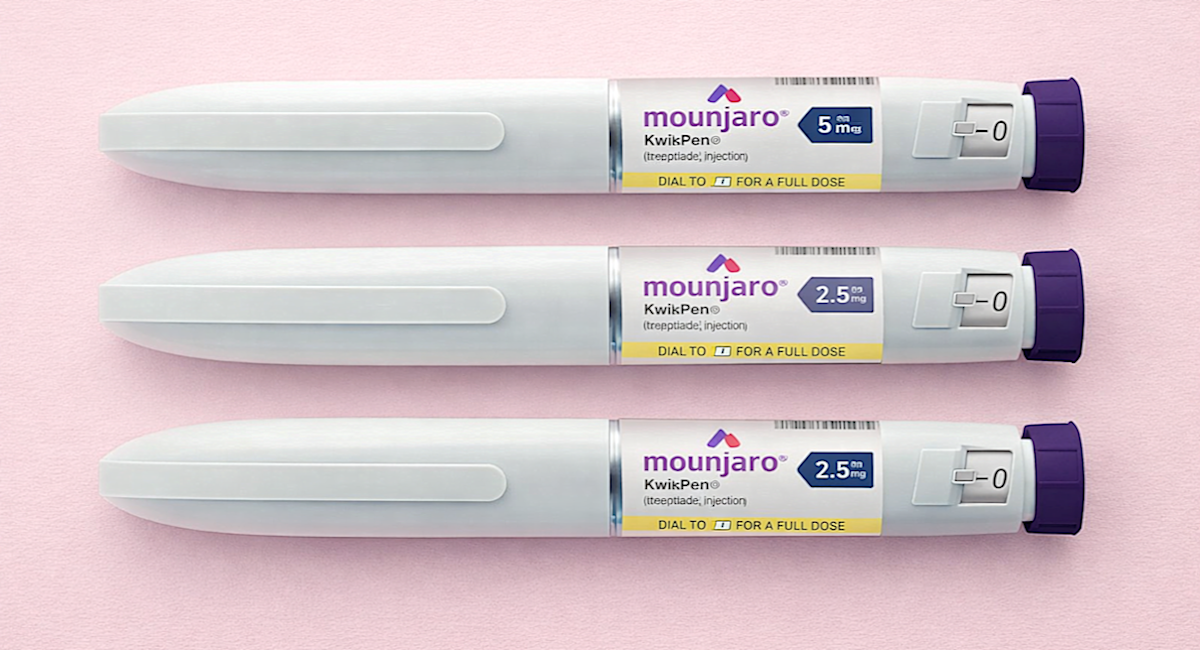
Mounjaro weight loss injections: FAQs
While weight loss injections such as Mounjaro can be incredibly helpful for some people, they’re also just one piece of the puzzle when it comes to long-term metabolic health. Understanding what they can and can’t do, and how they work, can help guide your decision-making if you’re thinking about trying them. Here are answers to some of the most common questions patients ask about Mounjaro.
by Dr Nienke Lees
Mode de vie sain
Comment réduire votre IMC et perdre du poids sainement
Les personnes qui portent un excès de poids augmentent leurs risques de nombreuses affections, y compris le diabète de type 2, les maladies cardiaques, l'arthrose et le cancer. Mais comment réduire votre IMC et perdre du poids de manière saine ?
par Amberley Davis
Continuez à lire ci-dessous
About the author

Dr Sarah Jarvis MBE, FRCGP
Clinical Consultant
MA (Cantab), BM, BCh (Oxon), DRCOG, FRCGP, MBE
After training in medicine at Cambridge and Oxford, Dr Sarah Jarvis MBE became a GP.
About the reviewerView full bio

Dr Hayley Willacy, FRCGP
Médecin généraliste, Auteur médical
MBChB (1992), DRCOG, DFFP, MRCOG (Part 1) MRCGP (2007), DFSRH (2013), MSc - medical education (2020)
Dr Hayley Willacy was an NHS GP working in northwest England, who retired from clinical practice in 2022 after 30 years.
Historique de l'article
Les informations sur cette page sont examinées par des cliniciens qualifiés.
20 Jun 2018 | Dernière version

Demandez, partagez, connectez-vous.
Parcourez les discussions, posez des questions et partagez vos expériences sur des centaines de sujets de santé.

Vous ne vous sentez pas bien ?
Évaluez vos symptômes en ligne gratuitement
Inscrivez-vous à la newsletter Patient
Votre dose hebdomadaire de conseils de santé clairs et fiables - rédigés pour vous aider à vous sentir informé, confiant et maître de la situation.
By subscribing you accept our Politique de confidentialité. Vous pouvez vous désabonner à tout moment. Nous ne vendons jamais vos données.