Recurrent cystitis in women
Peer reviewed by Dr Doug McKechnie, MRCGPLast updated by Dr Toni Hazell, FRCGPLast updated 4 Mar 2025
Meets Patient’s editorial guidelines
- DownloadDownload
- Share
- Language
- Discussion
- Audio Version
- Add to preferred sources on Google
In this series:Lower urinary tract symptoms in womenCystitis in womenUrge incontinenceOveractive bladder syndromeStress incontinenceMedicines for urinary urgency and incontinence
Some women have recurring bouts of cystitis, sometimes defined as two proven infections within six months, or three infections in a year.
At a glance
Recurrent cystitis is inflammation of the bladder, usually caused by infection.
It means at least two infections in six months or three in a year.
Often there is no clear reason why it keeps coming back.
Treatments include antibiotics, D-mannose, and vaginal oestrogen after menopause.
Drinking at least one litre of fluid per day may help prevent future infections.
Need treatment for a UTI?
Start a quick NHS Pharmacy First consultation online through Patient.info.
- Online and available 24/7, treatment can often be delivered next day.
- Free service, just pay the NHS prescription charge online if required.
- Just answer a few questions then choose a time for a clinician call.
Powered by Evaro, a UK regulated healthcare service supporting over 2 million patients. Reviewed by UK registered clinicians.

What is recurrent cystitis?
Cystitis means inflammation of the bladder. It is usually caused by a urine infection. Some women have repeated bouts of cystitis. Doctors define a recurrent infection as either three proven separate infections in a year, or as two in six months. In many cases there is no apparent reason for a woman to get frequent attacks of cystitis.
There are a number of treatment options to consider. This might be treating each episode promptly with a short course of antibiotics, a regular low dose of antibiotics taken long-term, or taking a single dose of antibiotic after having sex (if having sex seems to trigger episodes of cystitis). You can read more about cystitis in the separate leaflet called Cystitis in women.
What causes recurrent cystitis?
In most cases, there is no apparent reason why cystitis returns. There is usually no problem with your bladder or defence (immune) system that can be identified.
It is possible there may be a slight alteration in the ability of your body to resist bacteria getting into the bladder and causing infection. A slight variation in the body's defence may tip the balance in favour of bacteria to cause infection. In a similar way, some people seem more prone to colds, sore throats, etc.
For some women, one of the following may contribute:
Bladder or kidney problems may lead to infections being more likely. For example, kidney stones, or conditions that cause urine to pool and not drain properly. Your doctor may arrange some tests if a problem is suspected.
Having sex increases the chance of cystitis in some women (see below).
Contraceptive choice: the use of diaphragms and spermicide may make cystitis more likely.
Hormones: your vagina, bladder and urethra respond to the chemical (hormone) called oestrogen. After the menopause, when the levels of oestrogen in the body reduce, the tissues of these organs become thinner, weaker and dry. These changes can increase the risk of recurrent cystitis. Cystitis is also more common during pregnancy because of changes in the urinary tract.
What can I do to help prevent cystitis?
Lifestyle changes
There is some evidence that increased fluid intake, in those who tend to get recurrent UTIs, reduces the risk of getting another UTI. For this to work, you have to drink at least one litre (two pints) per day. A small number of people might have a medical problem where they have been advised to restrict the amount of fluid that they drink in a day (e.g. heart failure and some kidney problems) - they should keep to the advice given by their doctor about fluid intake. There is no evidence that increasing fluid intake once you have a UTI helps it to go away more quickly.
Cranberry juice
There is some evidence to support cranberry products in to reduce the risk of future UTIs in women with recurrent UTIs, in children and in those who are more likely to have a UTI after a medical procedure. There isn't currently any evidence for use in those who are elderly, pregnancy, or have problems fully emptying their bladder.
D-mannose
D-mannose is a naturally occurring simple sugar that can be bought in health food shops. Research has shown that taking it daily helps prevent recurrent urine infections.
Many guidelines from around the world (including the National Institute for Health and Care Excellence (NICE) now recommend trying this strategy. D-mannose is passed out in your urine and stops bacteria sticking to the wall of your bladder which prevents infection.
Most people can take D-mannose without any side-effects but a small number of people (8 out of 100 who had taken it for at least 6 months) may find it gives them diarrhoea. If you do use D-mannose, be aware that the recommendation in the NICE guidance is based on 200ml of the 1% solution taken once daily in the evening, and that you should take account of its sugar content as part of your daily sugar intake.
Probiotics
Researchers are also studying the effects of probiotics (such as lactobacillus) on preventing cystitis. For postmenopausal women who have a less acid environment in the vagina, the idea is that these bacteria would restore the acidity and help prevent infection. But currently there isn't enough evidence to know if they are really useful.
What is the treatment for recurrent cystitis?
Antibiotics
Antibiotic medication is usually needed for the treatment of bouts of recurrent cystitis. If your symptoms are mild then it is usually advisable to wait for the results of your urine test to see which antibiotics you should be treated with. However, if your symptoms are bad or worsening then you should start antibiotics without any delay.
Some women are prescribed a supply of antibiotics to keep on standby. You can then treat a bout of cystitis as soon as symptoms begin without having to wait to see a doctor. A three-day course of antibiotics is the usual treatment for each bout of cystitis. Antibiotics commonly used include trimethoprim and nitrofurantoin.
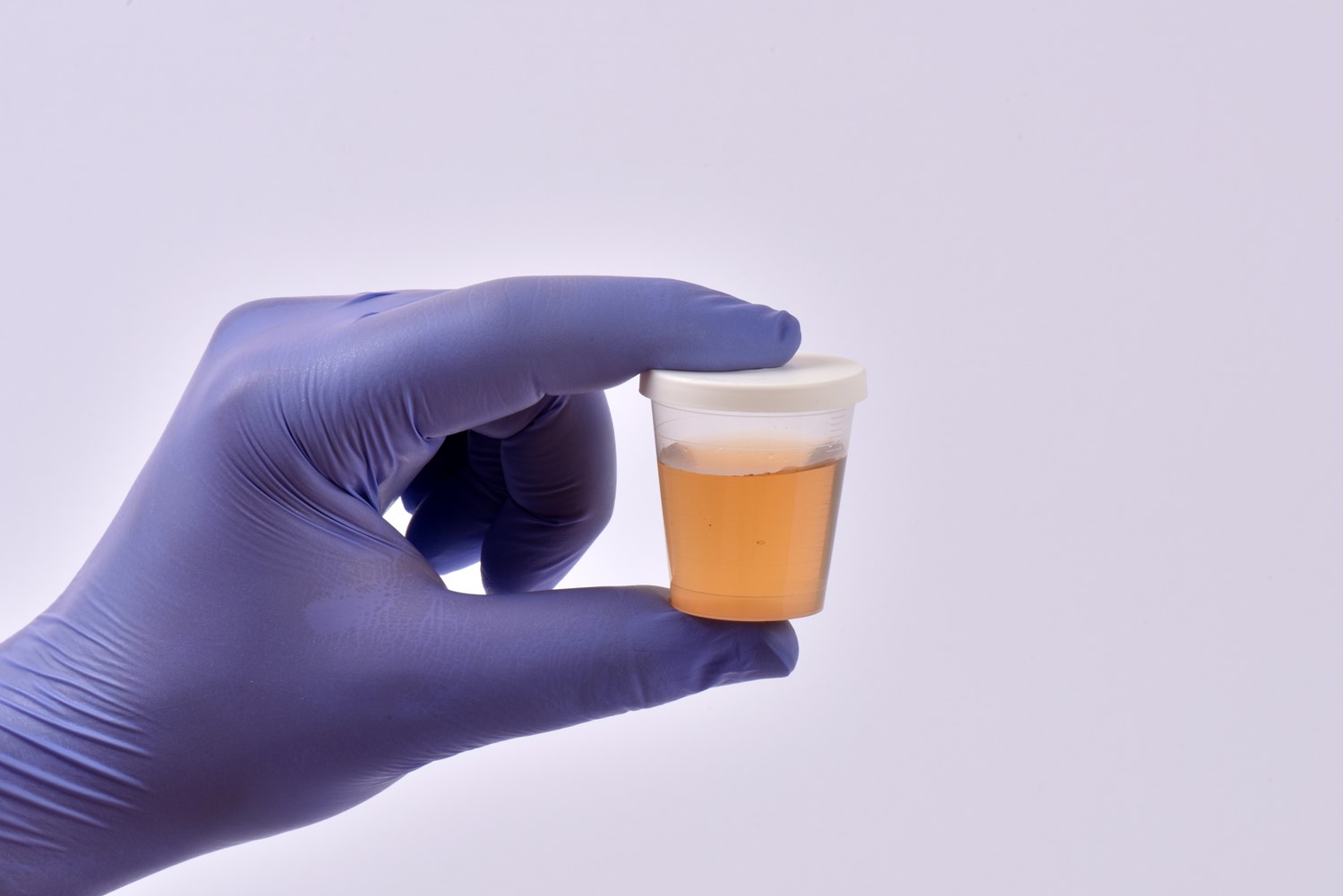
Ideally, you should do a midstream specimen of urine (MSU) to send to the laboratory before starting to take any antibiotics. You should see a doctor if your symptoms do not go within a few days, or if they worsen.
Preventative measures
This means taking a low dose of an antibiotic regularly. One dose each night will usually reduce the number of bouts of cystitis. A six-month course of antibiotics is usually given.
You may still have bouts of cystitis if you take antibiotics regularly but the episodes should be much less often. If a bout does occur, it is usually caused by a germ (bacterium) which is resistant to the antibiotic you are taking regularly.
A urine sample is needed to check on which bacterium is causing any bout of cystitis. You may then need a temporary change to a different antibiotic.
Vaginal oestrogen
If you have gone through the menopause and had your last natural period (postmenopausal), your hormone levels will have dropped. As explained earlier, this leads to changes in the vagina and the urethra that can increase the chances of getting recurrent cystitis, as well as other problems like dryness and painful sex. You can read more about this in the separate leaflet called Vaginal dryness (Atrophic vaginitis).
Vaginal oestrogen has been shown to reduce the number of bouts of cystitis in postmenopausal women who get recurrent cystitis and has a low risk profile compared to antibiotics.
It is usually taken as an estradiol tablet that you insert into your vagina at night twice a week or as a ring that releases estradiol continuously and stays in the vagina for three months at a time. It can help even in postmenopausal women who don't have any of the other vaginal symptoms.
Is recurrent cystitis related to having sex?
Some women find that they are prone to cystitis within a day or so after having sex. This may be partly due to the movements during sex which may push germs (bacteria) up into the bladder.
There may also be slight damage to the urine outlet tube (urethra). This slight damage encourages bacteria to thrive. This is more likely if the vagina is dry during sex. The normal mucus in and around the vagina may also be upset if spermicides or diaphragm contraceptives are used.
The following may reduce the chance of cystitis developing after sex:
After having sex, go to the toilet to empty your bladder.
If your vagina is dry, use a lubricating jelly during sex.
Taking a single dose of antibiotic within two hours after having sex has been proven to reduce the chance of you getting cystitis if you are prone to getting it after sex.
Do not use spermicides and/or a diaphragm for contraception. See your doctor or practice nurse for advice on other forms of contraception.
Patient picks for Urinary problems in women
Women's health
Interstitial cystitis
Interstitial cystitis/painful bladder syndrome is very common in women. It can cause many different symptoms including pain over your bladder and needing to pass urine more often. There are many different treatments for this condition and many women actually need more than one treatment to improve their symptoms.
by Dr Colin Tidy, MRCGP

Women's health
Lower urinary tract symptoms in women
Lower urinary tract symptoms (LUTS) are common in women of all ages, especially between the ages of 40-60. For many women, the symptoms come and go. But for some women, the symptoms are ongoing and interfere with normal life. The symptoms may include wetting yourself (incontinence), needing to pass urine frequently, or discomfort passing urine. These and other symptoms can result in poor quality of life. Many women never tell anyone about their symptoms. Your doctor may recommend tests to look for an underlying cause. Referral to a specialist is not usually needed. Often, no specific underlying cause is found. Treatment may help to relieve symptoms.
by Dr Rachel Hudson, MRCGP
Frequently asked questions
Can men get recurrent cystitis?
This article specifically addresses cystitis in women. The information provided focuses on female anatomy, hormonal changes, and contraceptive methods relevant to women. The article does not discuss recurrent cystitis in men.
Can I prevent cystitis by changing my diet?
The article mentions that D-mannose, a simple sugar, can help prevent recurrent urine infections. It also advises taking its sugar content into account as part of your daily sugar intake. However, there is no detailed information or recommendation in the article about other specific dietary changes to prevent cystitis, apart from increasing fluid intake.
Is it safe to use cranberry products with other medications?
The article states that there is some evidence to support cranberry products in reducing the risk of future UTIs. However, it does not provide any information or guidance on potential interactions with other medications or the safety of using cranberry products alongside them.
If I am taking regular low-dose antibiotics for prevention, can I still get cystitis?
Yes, even if you are taking preventative low-dose antibiotics regularly, you may still experience bouts of cystitis. When this happens, the infection is often caused by bacteria that are resistant to the antibiotic you are currently taking. In such cases, a urine sample is usually needed to identify the specific bacteria, and you may require a temporary change to a different antibiotic.
Are there particular times of the day I should take D-mannose?
Yes, the recommendation for D-mannose, as mentioned in the NICE guidance, is based on taking 200ml of a 1% solution once daily in the evening.
Can recurrent cystitis be a sign of a more serious underlying health problem?
The article states that in most cases there is no apparent reason why cystitis returns and there is usually no problem with your bladder or immune system that can be identified. However, it does mention that bladder or kidney problems, such as kidney stones or conditions that cause urine to pool, may make infections more likely. Your doctor may arrange tests if a problem is suspected.
Further reading and references
- Urinary tract infection (lower) - women; NICE CKS, February 2025 (UK access only)
- Kwok M, McGeorge S, Mayer-Coverdale J, et al; Guideline of guidelines: management of recurrent urinary tract infections in women. BJU Int. 2022 Nov;130 Suppl 3(Suppl 3):11-22. doi: 10.1111/bju.15756. Epub 2022 May 17.
- De Nunzio C, Bartoletti R, Tubaro A, et al; Role of D-Mannose in the Prevention of Recurrent Uncomplicated Cystitis: State of the Art and Future Perspectives. Antibiotics (Basel). 2021 Apr 1;10(4):373. doi: 10.3390/antibiotics10040373.
- Abdullatif VA, Sur RL, Eshaghian E, et al; Efficacy of Probiotics as Prophylaxis for Urinary Tract Infections in Premenopausal Women: A Systematic Review and Meta-Analysis. Cureus. 2021 Oct 17;13(10):e18843. doi: 10.7759/cureus.18843. eCollection 2021 Oct.
- Scott AM, Clark J, Mar CD, et al; Increased fluid intake to prevent urinary tract infections: systematic review and meta-analysis. Br J Gen Pract. 2020 Feb 27;70(692):e200-e207. doi: 10.3399/bjgp20X708125. Print 2020 Mar.
- Women's Health Concern Urogenital problems; Oct 2023
- Williams G, Hahn D, Stephens JH, et al; Cranberries for preventing urinary tract infections. Cochrane Database Syst Rev. 2023 Apr 17;4(4):CD001321. doi: 10.1002/14651858.CD001321.pub6.
- Scott AM, Clark J, Mar CD, et al; Increased fluid intake to prevent urinary tract infections: systematic review and meta-analysis. Br J Gen Pract. 2020 Feb 27;70(692):e200-e207. doi: 10.3399/bjgp20X708125. Print 2020 Mar.
- Aggarwal N, Lotfollahzadeh S; Recurrent Urinary Tract Infections
About the authorView full bio
Updated by

Dr Toni Hazell, FRCGP
MBBS, BSc, FRCGP, DFSRH, Dip GU med, DRCOG, DCH (London, UK, 2000)
Dr. Toni Hazell qualified from St. Mary’s Hospital Medical School and did her VTS at Northwick Park Hospital.
About the reviewerView full bio

Dr Doug McKechnie, MRCGP
Medical Writer
MA, MBBS, MSc, DRCOG, MRCP(UK), MRCGP(2021), FHEA
Dr Doug McKechnie is an NHS GP working in London. He works full-time clinically and is also the Deputy Lead for the Clinical and Professional Practice module at University College London Medical School.
Join the conversation
Share your thoughts or experiences with others in our patient communities.

Ask, share, connect.
Browse discussions, ask questions, and share experiences across hundreds of health topics.

Feeling unwell?
Assess your symptoms online for free
Sign up to the Patient newsletter
Your weekly dose of clear, trustworthy health advice - written to help you feel informed, confident and in control.
By subscribing you accept our Privacy Policy. You can unsubscribe at any time. We never sell your data.