Médicaments pour l'urgence urinaire et l'incontinence
Revu par Dr Colin Tidy, MRCGPDernière mise à jour par Dr Toni Hazell, FRCGPDernière mise à jour 12 juin 2023
Respecte les directives éditoriales
- TéléchargerTélécharger
- Partager
- Language
- Discussion
- Version audio
- Ajouter aux sources préférées sur Google
Dans cette série :Symptômes des voies urinaires inférieures chez les femmesCystite chez les femmesCystite récurrente chez les femmesIncontinence par impériositéSyndrome de la vessie hyperactiveIncontinence urinaire d'effort
Urinary urgency is a symptom where you have a sudden urgent desire to pass urine and you are not able to put off going to the toilet. If you leak urine before you go to the toilet this is called incontinence. For more information see Symptômes des voies urinaires inférieures chez les hommes et Symptômes du bas appareil urinaire chez les femmes.
En un coup d'œil
Les médicaments pour l'urgence urinaire et l'incontinence visent à réduire les fuites urinaires, les visites aux toilettes et l'urgence.
La duloxétine traite l'incontinence urinaire d'effort en renforçant les muscles de la vessie.
Les médicaments antimuscariniques, tels que l'oxybutynine, traitent l'incontinence par impériosité en relaxant les muscles de la vessie.
Lifestyle changes and bladder training are usually tried before medicines for urge incontinence.
Les effets secondaires sont fréquents mais souvent mineurs, par exemple, la bouche sèche avec les antimuscariniques.
Ces médicaments sont disponibles uniquement sur ordonnance d'un médecin.

Vous n'êtes pas sûr de mélanger des médicaments ?
Vérifiez les interactions possibles entre les médicaments, les compléments et les aliments avant de les prendre ensemble.
What are medicines for urinary urgency and incontinence used for?
Medicines for urinary urgency and incontinence are used to decrease the number of urine leakages, the number of trips to the toilet and the feeling of urgency.
Medicines for stress incontinence
For people with stress incontinence a medicine called duloxetine may be prescribed.
Duloxetine is normally used to treat depression. However, it was found to help with stress incontinence separate to its effect on depression. Duloxetine is thought to work by increasing the activity of chemicals called serotonin and noradrenaline (norepinephrine) in the body.
These chemicals are used in transmitting nerve impulses to muscles. Increasing the action of the chemicals stimulates the muscles around the urethra to contract more strongly.
Medicines for urge incontinence
Medicines from a different class to duloxetine, called antimuscarinics (also called anticholinergics), are used to help treat urge incontinence. There are several different types and many different brand names.
They include medicines such as:
These medicines work by blocking certain nerve impulses to the bladder which relax the bladder muscle, so increasing the bladder capacity. Other medicines which are used less often are oestrogen gels/creams applied to the vagina (to treat urinary symptoms associated with the menopause), or a medicine called desmopressin.
A medicine called mirabegron is another option sometimes used to treat urge incontinence. It works by stimulating beta3 receptors in the bladder. This has the effect of relaxing the bladder muscles.
Note de l'éditeur |
|---|
Dr Krishna Vakharia, 13 septembre 2024 |
In the past other medicines (for example, propanthéline et antidépresseurs tricycliques) were used to treat urge incontinence; however, they are not used any longer because of their side-effects.
Duloxétine is available as oral capsules. Antimuscarinics are available as capsules, tablets or skin patches. Some antimuscarinic tablets are available as slow-release tablets or capsules. This just means that the medicine is released into the body over a longer period of time and you don't have to take the tablets or capsules as often in the day.
When are medicines for urinary urgency and incontinence usually prescribed?
For people with stress incontinence, duloxetine may be advised if pelvic floor exercises alone are not helping to treat their stress incontinence. It is usually advised in women who do not want to undergo surgery, or in women who have health problems that may mean that surgery is unsuitable. Pelvic floor exercises are usually more effective if done with supervision by a healthcare professional, rather than alone at home. For those who are obese or overweight, weight loss may also help.
For people with urge incontinence, lifestyle measures (for example, weight loss and cutting down on caffeine and alcohol) and bladder retraining are normally tried first. If there is not enough improvement with bladder training alone, medicines may then be considered.
Which medicine is usually prescribed?
As discussed above, duloxetine is prescribed for stress incontinence.
For people with urge incontinence, oxybutinin (an antimuscarinic) is normally prescribed first. If you have too many side-effects with this medicine, your doctor may choose a different antimuscarinic such as darifenacin, fesoterodine, propiverine, solifenacin, tolterodine, or trospium. Your doctor may also choose a slow-release preparation of oxybutinin or an oxybutinin skin patch to help lessen side-effects.
You may be prescribed mirabegron if you are unable to take an antimuscarinic.
Other medicines that are used less often are oestrogen applied to the vagina and desmopressine. Desmopressin is usually prescribed on the advice of a specialist doctor. Topical oestrogen may be used with an antimuscarinic, and/or with systemic HRT which is taken as a tablet or through the skin as a patch, gel or spray.
Oestrogen applied to the vagina may be chosen for women who have gone through the ménopause and desmopressin is considered if you are passing urine frequently at night and you are younger than 65 years of age.
How well do medicines for urinary urgency and incontinence work?
For duloxetine, one study showed that in about 6 in 10 women who took duloxetine, the number of urine leakages halved compared to the time before they took the medication.
Therefore, on its own, duloxetine is not likely to cure the incontinence but may help to make it less of a problem. However, duloxetine in addition to pelvic floor exercises may give a better chance of curing the incontinence than either treatment alone.
Antimuscarinic medicines are all thought to be as effective as each other. They may improve symptoms in some cases but not in all. The level of improvement varies from person to person. You may have fewer toilet trips, fewer urine leaks and less urgency. However, it is uncommon for symptoms to go completely with medication alone.
Quelle est la durée habituelle du traitement ?
Duloxétine
Duloxetine is usually given for about a month; after this, you are assessed to see if your symptoms have improved. If your symptoms have improved, duloxetine may be continued and you are assessed every few months to see if it is still working.
Your doctor may decide to stop treatment if your symptoms do not improve. If your doctor thinks that you should stop taking duloxetine you should do this slowly - for example, over 1-2 weeks. You should never stop taking this medicine suddenly. This is because you can have withdrawal symptoms such as vertiges, feeling sick (nausée) and récurrents.
Antimuscariniques
For antimuscarinics, a common plan is to try a course of medication for a month or so. If it is helpful, you may be advised to continue for up to six months or so and then stop the medication to see how symptoms are without the medication.
Symptoms may return after you finish a course of medication. If you combine a course of medication with bladder training, the long-term outlook (prognosis) is better and symptoms may be less likely to return when you stop the medication.
The need for continuing antimuscarinic medicine therapy should be reviewed every 4-6 weeks until symptoms stabilise and then every 6-12 months.
Side-effects of urinary urgency and incontinence medicines
Duloxétine
The most commonly reported side-effects are:
Fatigue.
These usually happen in the first week of treatment but most people find they go away after a few weeks. If these symptoms persist, your doctor may decrease your dose or consider stopping treatment.
Some people who take duloxetine have small increases in blood pressure. If you already have l'hypertension artérielle or any other heart problems, your doctor will measure your blood pressure regularly. Your doctor may consider stopping treatment if there are concerns about your blood pressure.
Antimuscariniques
Side-effects are quite common with these medicines but are often minor and tolerable. The most common side-effect is a dry mouth and simply having frequent sips of water may counter this.
Other common side-effects include:
Constipation.
However, the medicines have differences and you may find that if one medicine causes troublesome side-effects, a switch to a different one may suit you better.
Mirabegron
The most common side-effects are a rapid pulse and urinary tract infections. Less common side-effects include l'indigestion, palpitations and raised blood pressure.
For a full list of side-effects see the information leaflet that came with your medicine.
Who cannot take medicines for urinary urgency and incontinence?
In general, most people are able to take these medicines; however, there are some people who are unable to take these medicines.
Duloxétine should not be taken by people who have severe kidney or liver problems, uncontrolled high blood pressure, glaucoma (raised pressure in the eye), or who are taking certain medicines - for example, antidepressants called monoamine-oxidase inhibitors.
Antimuscariniques should not be taken by people with:
Myasthenia gravis. This is a condition where muscles become easily tired and weak.
Severe bladder problems or urinary retention (where the body retains urine).
Severe inflammation of the gut (la colite ulcéreuse).
Blockage of the gut.
A condition of the eye, known as uncontrolled angle-closure glaucoma.
For a full list of people who cannot take these medicines, see the leaflet that came with your medicines.
Can I buy medicines for urinary urgency and incontinence ?
No - you cannot buy medicines for urinary urgency and incontinence. They are only available from your pharmacist, with a doctor's prescription.
Sélections des patients pour General medicine information
Traitement et médicaments
Insuline
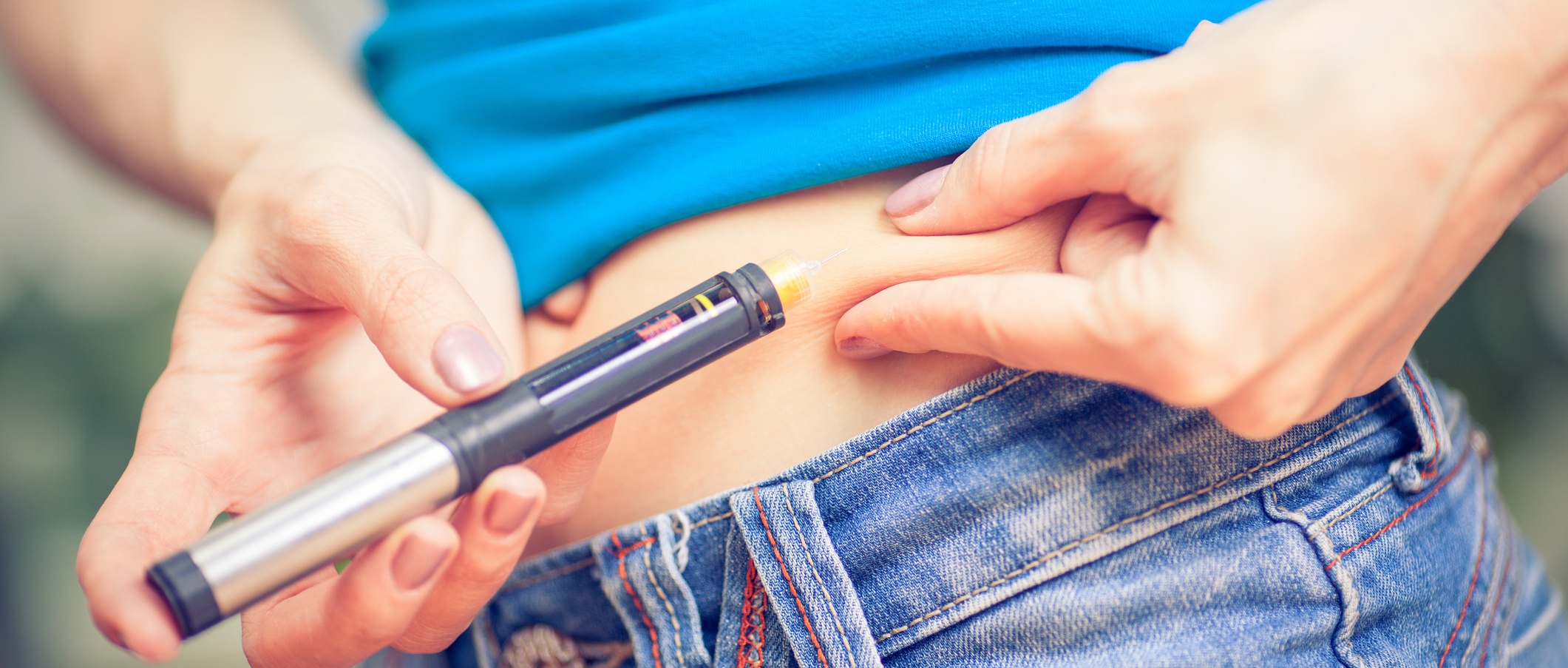
L'insuline est une hormone produite naturellement dans le corps par le pancréas. Cette hormone contrôle le niveau de sucre (glucose) dans le sang. Les personnes atteintes de diabète de type 1 ont besoin d'injections régulières d'insuline. Dans le diabète de type 1, le corps cesse de produire de l'insuline et le taux de sucre dans le sang devient très élevé. Certaines personnes atteintes de diabète de type 2 peuvent également avoir besoin d'injections d'insuline pour aider à contrôler les niveaux de sucre dans le sang. L'insuline est généralement injectée sous la peau entre 2 et 4 fois par jour. Il existe différents types d'insuline disponibles, classés selon la rapidité et la durée de leur action. Votre médecin ou infirmière spécialisée en diabète discutera des différentes préparations et dispositifs disponibles et vous aidera à choisir un régime qui vous convient. Le traitement à l'insuline est généralement à vie.
par Dr Colin Tidy, MRCGP

Traitement et médicaments
Médicaments contre l'épilepsie et effets secondaires
Les médicaments utilisés pour traiter l'épilepsie agissent en stabilisant l'activité électrique du cerveau. Vous devez prendre des médicaments tous les jours pour contrôler les crises. Dans environ 8 cas sur 10, les crises sont bien contrôlées par les médicaments. La chirurgie est une option dans certains cas. Il existe différents types d'épilepsie. Il existe des brochures distinctes sur l'épilepsie et les crises, les types d'épilepsie et de crises, l'épilepsie et la contraception, l'épilepsie et la planification de la grossesse.
par Dr Colin Tidy, MRCGP
Questions fréquemment posées
Quel est le rôle des œstrogènes topiques (gels/crèmes) dans le traitement de l'incontinence urinaire ?
Les gels ou crèmes d'œstrogènes appliqués sur le vagin peuvent être utilisés pour traiter les symptômes urinaires, en particulier ceux associés à la ménopause. Ceux-ci peuvent être utilisés en combinaison avec des médicaments antimuscariniques et/ou un traitement hormonal substitutif (THS) systémique. L'œstrogène topique est souvent envisagé pour les femmes qui ont traversé la ménopause.
Qu'est-ce que la desmopressine et quand est-elle prescrite pour l'incontinence urinaire ?
La desmopressine est un médicament utilisé pour aider à traiter l'incontinence urinaire, bien qu'il soit prescrit moins souvent que d'autres médicaments. Elle est généralement envisagée si vous urinez fréquemment la nuit et que vous avez moins de 65 ans. Son utilisation se fait généralement sur les conseils d'un médecin spécialiste.
Existe-t-il des médicaments plus anciens qui étaient auparavant utilisés pour l'incontinence par impériosité mais qui ne sont plus recommandés ?
Oui, dans le passé, des médicaments tels que le propanthéline et les antidépresseurs tricycliques étaient utilisés pour traiter l'incontinence par impériosité. Cependant, ceux-ci ne sont plus utilisés en raison des préoccupations concernant leurs effets secondaires.
Comment le Vibegron se compare-t-il aux autres traitements du syndrome de la vessie hyperactive ?
Le Vibegron est une option plus récente pour traiter le syndrome de la vessie hyperactive. Il fonctionne de manière similaire au mirabegron et s'est avéré plus efficace que de ne prendre aucun médicament. Il est principalement recommandé si d'autres médicaments antimuscariniques ne conviennent pas, ne sont pas suffisamment efficaces ou provoquent des effets secondaires intolérables.
Comment les médicaments comme la duloxétine et les antimuscariniques se comparent-ils en termes d'efficacité pour l'incontinence ?
La duloxétine pour l'incontinence de stress peut réduire de moitié le nombre de fuites urinaires pour environ 6 femmes sur 10, mais il est peu probable qu'elle la guérisse complètement à elle seule. Les médicaments antimuscariniques pour l'incontinence par impériosité sont considérés comme tout aussi efficaces, mais le niveau d'amélioration varie, et il est rare que les symptômes disparaissent complètement avec le seul médicament. Combiner ces médicaments avec d'autres traitements comme les exercices du plancher pelvien ou l'entraînement de la vessie peut offrir de meilleurs résultats.
Puis-je combiner et assortir différents types de médicaments pour l'incontinence, ou changer si l'un ne fonctionne pas ?
Votre médecin peut vous prescrire un autre médicament si le premier entraîne trop d'effets secondaires ou n'est pas suffisamment efficace. Par exemple, si l'oxybutynine pour l'incontinence par impériosité provoque des effets secondaires gênants, votre médecin pourrait essayer un autre antimuscarinique ou le mirabégron. De même, si un antimuscarinique pose problème, passer à un autre type peut aider. Cependant, vous ne devez pas essayer de mélanger ou de changer de médicaments vous-même ; suivez toujours les conseils de votre médecin.
Lectures complémentaires et références
- Formulaire National Britannique (BNF); Services de Preuves NICE (accès réservé au Royaume-Uni)
- Incontinence - urinaire, chez les femmes; NICE CKS, juillet 2024 (accès réservé au Royaume-Uni)
- Hu JS, Pierre EF; Urinary Incontinence in Women: Evaluation and Management. Am Fam Physician. 2019 Sep 15;100(6):339-348.
À propos de l'auteurVoir la biographie complète

Dr Toni Hazell, FRCGP
MBBS, BSc, FRCGP, DFSRH, Dip GU med, DRCOG, DCH (London, UK, 2000)
Le Dr Toni Hazell a obtenu son diplôme de l'École de médecine de l'hôpital St. Mary et a effectué son VTS à l'hôpital Northwick Park.
À propos du critiqueVoir la biographie complète

Dr Colin Tidy, MRCGP
Médecin généraliste, Auteur médical
MBBS, MRCGP, MRCP (Paediatrics), DCH
Le Dr Colin Tidy est un médecin du NHS, basé dans l'Oxfordshire.
Historique de l'article
Les informations sur cette page sont rédigées et examinées par des cliniciens qualifiés.
Article également disponible en Anglais, Allemand, Espagnol, Français, Italien, Portugais, Hindi, Hébreu, Arabe, and Suédois.
Prochaine révision prévue : 12 mai 2028
12 juin 2023 | Dernière version

Demandez, partagez, connectez-vous.
Parcourez les discussions, posez des questions et partagez vos expériences sur des centaines de sujets de santé.

Vous ne vous sentez pas bien ?
Évaluez vos symptômes en ligne gratuitement
Inscrivez-vous à la newsletter Patient
Votre dose hebdomadaire de conseils de santé clairs et fiables - rédigés pour vous aider à vous sentir informé, confiant et maître de la situation.
En vous abonnant, vous acceptez notre Politique de confidentialité. Vous pouvez vous désabonner à tout moment. Nous ne vendons jamais vos données.
Plus sur le traitement et les médicaments
- Antispasmodiques
- Produits médicinaux à base de cannabis
- Vérifiez vos médicaments pour les interactions
- Angioplastie coronarienne
- Médicaments contre la toux
- Vaccin contre l'hépatite B
- Thérapie par le chaud et le froid pour soulager la douleur
- Médicaments contre l'indigestion
- Préparations locales pour les troubles anaux
- Médicament contre la nausée
- Bronchodilatateurs oraux
- Sondes d'alimentation par gastrostomie (PEG)
- Vasodilatateurs périphériques
- Physiothérapeutes
- Référez-vous aux services de santé sexuelle du NHS
- Référez-vous aux services d'arrêt du tabac du NHS
- Vaccination contre le virus respiratoire syncytial (VRS)
- Analgésiques puissants
- Le tétanos et le vaccin contre le tétanos
- Vaccin contre l'encéphalite à tiques