Votre enfant devrait-il recevoir le vaccin contre la varicelle ?
Revu par Dr Krishna Vakharia, MRCGPRédigé par Lydia SmithPublié à l'origine 8 juin 2023
Respecte les directives éditoriales
- TéléchargerTélécharger
- Partager
- Language
- Discussion
- Version audio
- Ajouter aux sources préférées sur Google
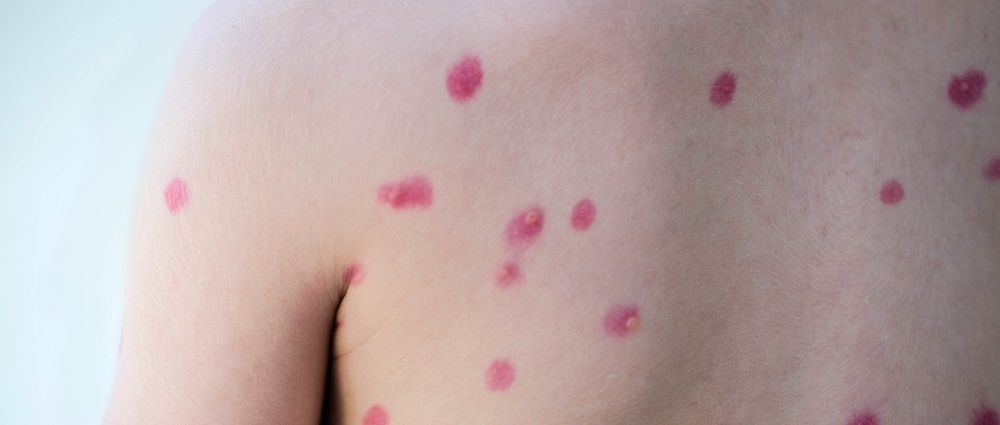
Many of us will remember having chickenpox as a child. The itchy red spots were almost impossible to stop scratching, but doing so could lead to scarring. In an attempt to soothe the itch, parents would douse us in calamine lotion and oatmeal baths. But now, instead of catching the virus to provide immunity, there’s another route parents can choose - the chickenpox vaccine.
Varicelle is an illness caused by the varicella zoster virus. The symptoms include an itchy, spotty rash that turns into blisters, as well as a fièvre élevée, aches and pains, fatigue, a loss of appetite and generally feeling unwell.
Varicelle is common and mostly affects children, but you can get it at any age. It usually gets better by itself after one to two weeks without needing to see a GP. In adults, the symptoms tend to be more severe and can cause serious complications such as pneumonie1.
Catching chickenpox in childhood used to be the only way to get immunity to prevent getting the virus in adulthood. In order to 'catch' the virus and gain immunity, some parents would throw chickenpox parties. Since it was developed in Japan in the 1970s, however, the vaccine has become increasingly popular2. In the UK, the varicelle jab isn’t part of the childhood vaccination programme on the NHS. However, you can pay for it privately.
What are the pros of getting the chickenpox vaccine?
Reduces chance of catching chickenpox and prevents serious illness
One of the key benefits of the vaccine is that it significantly reduces the likelihood of catching chickenpox, as the symptoms can be very unpleasant. The itchy spots can be very irritating and affect sleep and generally make a child feel very unwell. However, most children who catch the virus don’t become seriously unwell and get better after one or two weeks.
However, a very small number of children - even those who were previously healthy with no underlying medical conditions - can experience severe complications. These can include encéphalite - a swelling of the brain - pneumonie and other serious infections3.
The vaccine prevents varicelle in 85% of immunised children, but provides 97% protection against severe disease4. Therefore, if an immunised child does catch the virus, they are far less likely to have serious complications.
Protects vulnerable people
La chickenpox vaccination is recommended for adults and children in regular or close contact with someone who has a weakened immune system or is at risk of serious illness if they catch chickenpox.
Vaccination also protects people at risk of catching chickenpox through close contact. The types of people who can have a varicelle vaccination on the NHS include non-immune healthcare workers and close relatives and carers - who have not previously had chickenpox - of people who are unwell.
Helpful for working parents
Additionally, preventing a child from catching varicelle can be an easier route for working and busy parents. A child with the virus will need to stay off nursery or school until their scabs have healed over, which can take up to a week. This can mean parents have to take time off work.
Trimming transmission
If a child catches chickenpox after having the la vaccination - known as a breakthrough infection - it isn’t as contagious as the natural infection. Therefore, getting your child vaccinated can mean that other children may be less likely to get infected.
What are the cons of getting the chickenpox vaccine?
Not available on NHS
Unfortunately, the vaccine isn’t available on the NHS for the majority of children and adults. Jabs are given only to adults and children who are in close contact with someone who is either immuno-suppressed or would otherwise be at risk if they got varicelle. So if you do want to get your child vaccinated, you’ll have to pay for the vaccine. It comes in two doses and costs around £150 for the whole course.
Who shouldn't have the chickenpox jab?
People who should not have the chickenpox vaccine include:
Anyone with a système immunitaire affaibli.
Anyone who has had a serious réaction allergique to a previous dose of the vaccine or to any of the ingredients in the vaccine.
Pregnant women - if you have the varicelle vaccine, try to avoid becoming pregnant within one month of the last dose.
Anyone who is seriously unwell should delay having the vaccination until they recover.
Pour en savoir plus
Papaloukas et al: Successes and challenges in varicella vaccine.
Cameron et al: Severe complications of chickenpox in hospitalised children in the UK and Ireland.
Sélections des patients pour Vaccinations

Santé des enfants
Les parents sont incités à vacciner leurs enfants alors que le Royaume-Uni perd son statut de pays exempt de la rougeole
Le Royaume-Uni a perdu son statut d'absence de rougeole de l'Organisation mondiale de la santé et le public est incité à vacciner leurs enfants contre cette maladie potentiellement mortelle.
par Milly Evans

Santé des enfants
Offrir le vaccin contre le VPH aux garçons aidera à prévenir plus de 100 000 cancers
Alors que la vaccination contre le VPH est en cours de préparation pour être déployée chez les adolescents au Royaume-Uni, les estimations suggèrent que le programme de vaccination pourrait prévenir plus de 100 000 cancers d'ici 2058.
par Milly Evans
À propos de l'auteurVoir la biographie complète
Rédigé par

Lydia Smith
Rédacteur de reportages
Licence, Master, MSc
Lydia Smith est une journaliste primée et rédactrice spécialisée qui a beaucoup écrit sur la santé des femmes et la santé mentale. Elle prépare actuellement un MSc en psychologie.
À propos du critiqueVoir la biographie complète

Dr Krishna Vakharia, MRCGP
Médecin-chef pour la santé, Optum UK
MBChB, MRCGP(2013), BMedSci (hons), DFSRH, DRCOG, PGDipDerm (Distn)
Le Dr Krishna Vakharia est un médecin généraliste du NHS. Elle est également examinatrice régulière pour le diplôme de troisième cycle en dermatologie pratique à l'Université de Cardiff, ainsi que médecin-chef pour la santé chez Optum UK.
Historique de l'article
Article également disponible en Anglais, Allemand, Espagnol, Français, Italien, Portugais, Hindi, Hébreu, Arabe, and Suédois.
8 juin 2023 | Publié à l'origine
Écrit par :
Lydia SmithRevu par
Dr Krishna Vakharia, MRCGP
Participez à la conversation
Partagez vos pensées ou expériences avec les autres dans notre communautés de patients.

Demandez, partagez, connectez-vous.
Parcourez les discussions, posez des questions et partagez vos expériences sur des centaines de sujets de santé.

Vous ne vous sentez pas bien ?
Évaluez vos symptômes en ligne gratuitement
Inscrivez-vous à la newsletter Patient
Votre dose hebdomadaire de conseils de santé clairs et fiables - rédigés pour vous aider à vous sentir informé, confiant et maître de la situation.
En vous abonnant, vous acceptez notre Politique de confidentialité. Vous pouvez vous désabonner à tout moment. Nous ne vendons jamais vos données.