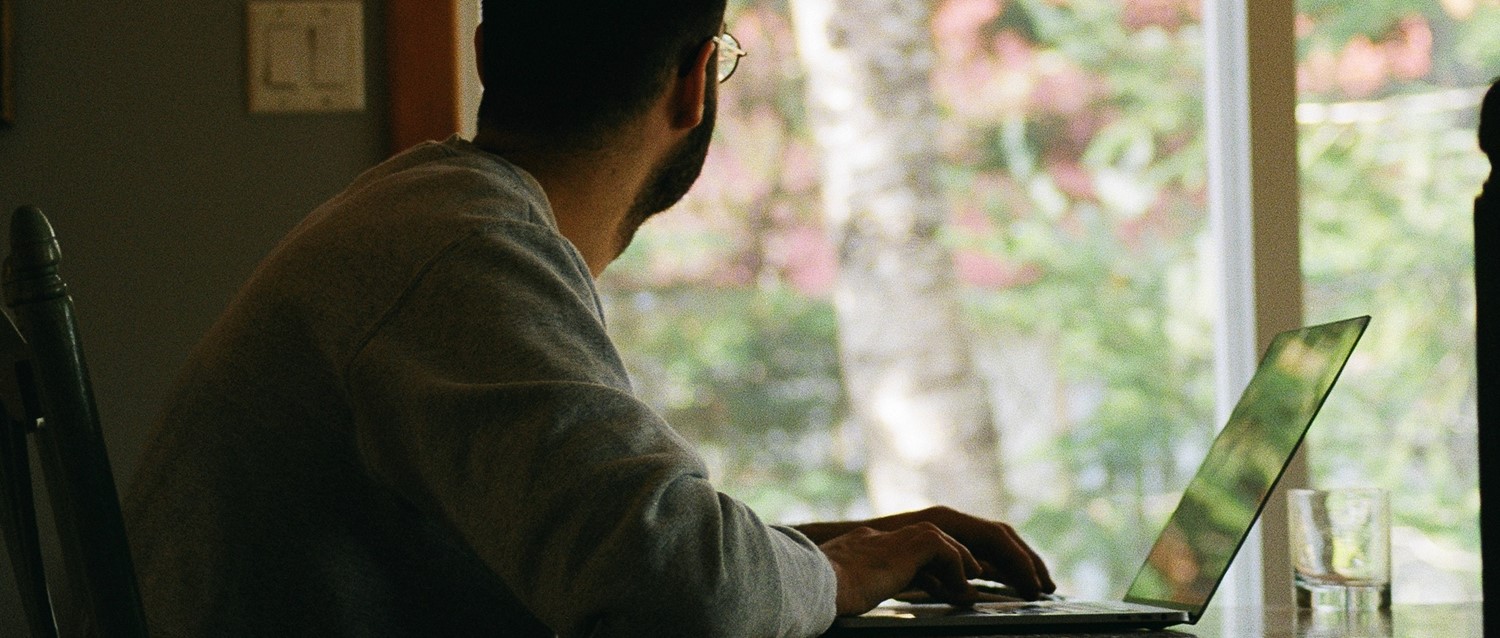
COVID-19 : Les confinements peuvent-ils changer nos personnalités ?
Revu par Dr Sarah JarvisRédigé par Lydia SmithPublié à l'origine 22 déc. 2021
Respecte les directives éditoriales
- TéléchargerTélécharger
- Partager
- Language
- Discussion
- Ask Patient
- Version audio
- Ajouter aux sources préférées sur Google
Près de deux ans après que l'épidémie de COVID-19 a été déclarée pandémie mondiale, le variant Omicron se propage comme une traînée de poudre à travers le Royaume-Uni. Pour aider à freiner le taux d'infections et alléger la pression sur les hôpitaux, de nouvelles restrictions pourraient être introduites, y compris un confinement. Bien que cela puisse être une mesure nécessaire, ce sera sans aucun doute difficile pour de nombreuses personnes. Mais les confinements peuvent-ils avoir un impact à plus long terme sur notre façon de penser et d'agir ?
Our personalities are formed by a combination of different factors, from our life experiences to our genetic inheritance. "Personality is the combination of our ongoing habits, our behaviours, our thoughts and our emotions. It is the basis of our identity. It is how we perceive the world and the world perceives us," says Alejandra Sarmiento, a transpersonal psychotherapist at the mental health clinic The Soke.
"Our personality traits, although relatively fixed, are continuously evolving throughout our life. Sometimes these changes are predictable and obvious - for example, during the challenging teenage years. What is clear is that when major life events occur, our personalities are imprinted upon, often leading to a shift within."
Research suggests our personalities are more malleable than we might think. In 1960, psychologists surveyed more than 440,000 school students about various aspects of their characters, including their emotional reactions to situations and how conscientious they were.
Fifty years later, researchers tracked down 1,952 of these former students and asked them the same questions. The results showed they had undergone significant personality changes, as they scored far higher than they had as teenagers on questions measuring calmness, self-confidence and social sensitivity.
Bien que recherche suggests big life experiences such as l'accouchement et des deuils don't always cause personality change, there appears to be an exception for events that impact our santé mentale. Arguably, lockdowns - and more widely the pandemic - may be one of these events. One étude published in September 2021 found that prolonged l'isolement social during the first UK lockdown was linked with important changes in people's thought patterns.
Why lockdowns may affect our personalities
In early 2020, COVID-19 restrictions forced people to stay home alone, blocking ordinary daily activities for months. This, in combination with fears over the spreading virus and its impact on loved ones, had a serious psychological impact on many people - leading to niveaux de stress, la dépression, insomnie and irritability.
Recherche has suggested that these prolonged problems and feelings may have affected our personalities. In particular, people may have experienced changes to the 'big five' personality characteristics of emotional stability (also referred to as neuroticism), extraversion, openness, agreeableness and conscientiousness.
Anecdotally, many people found themselves feeling more introverted as a result of lockdown or more anxious about their health.
"With lockdown, most of us were abruptly forced to leave our routines. In reality, this equates to an unexpected exile from our comfort zones, forcing us to pause and reset," says Sarmiento. "In other words, these forced changes in our routines translate to modifications in our behaviour and, over time, adjustments to our personality as we settle into our individual new normal."
Ultimately, although many of us struggle to remember a time before COVID-19, it will take a long time before the psychological impact of the pandemic is fully known.
The unequal impact of lockdowns
"What makes this process all the more complex is the reality that although lockdowns have affected us all, they have not affected us all equally," says Sarmiento. "Social atrophy, job losses, bereavement, illness, isolation, financial stress, fear and confusion have been the experience for many.
"For others, lockdown has been a welcome pause from the dreaded commute," she adds. "It has also led to freedom that has allowed for an exploration of new hobbies, old cookbooks and aimless walks in the fresh air."
For some people, the pandemic has allowed them to re-evaluate what they find important. For example, workaholics may now spend more time with their families.
"Our appreciation for the fragility of life has allowed us to consciously decide what matters most and how we want to show up in the world," explains Sarmiento. "Perhaps we no longer need to go out every weekend. Perhaps we now want to go out every weekend. Perhaps we no longer recognise ourselves as we fill our voids with our true values."
How to protect your well-being during a lockdown
Short-term lockdowns, such as the two-week 'circuit breaker' currently proposed by the UK Government as a potential measure, are unlikely to have a long-term impact on our personalities. However, this doesn't mean they can't cause niveaux de stress, ou anxiété or affect our mood. Even a short lockdown can affect people's work and income, as well as leading to feelings of loneliness.
"As more restrictions loom in the wake of Omicron, we may feel ourselves fall into a sense of lassitude," says Sarmiento. "We have been here before but, although we may be more prepared, we are also more exhausted. We are simply more vulnerable. It is important to remember that physical isolation does not have to equate to emotional loneliness."
There are various steps we can take to help protect our santé mentale amid the ongoing pandemic. Firstly, it's important to reach out to others and talk about how we feel. Even if we can't meet in person, we have many ways to stay in contact, from video calls to WhatsApp.
"Connection is a healer. We must take that walk, so that we do not stagnate. We must be kind and gentle with ourselves and others," Sarmiento adds. "We must remember that fears and feelings are not facts and that, when all is said and done, this too shall pass."
Sélections des patients pour articles sur la pandémie
COVID-19
COVID-19 : quand les experts prévoient-ils un retour à la normale ?
"Quand la pandémie prendra-t-elle fin ?" est une question que tout le monde se pose, bien que certains hésitent à la poser. Les experts prévoient divers scénarios possibles pour la fin de la pandémie de COVID-19. Ils envisagent 'la nouvelle normalité', où le COVID-19 ne sera plus une menace majeure mais plutôt une maladie endémique que nous gérons régulièrement.
par Amberley Davis
COVID-19
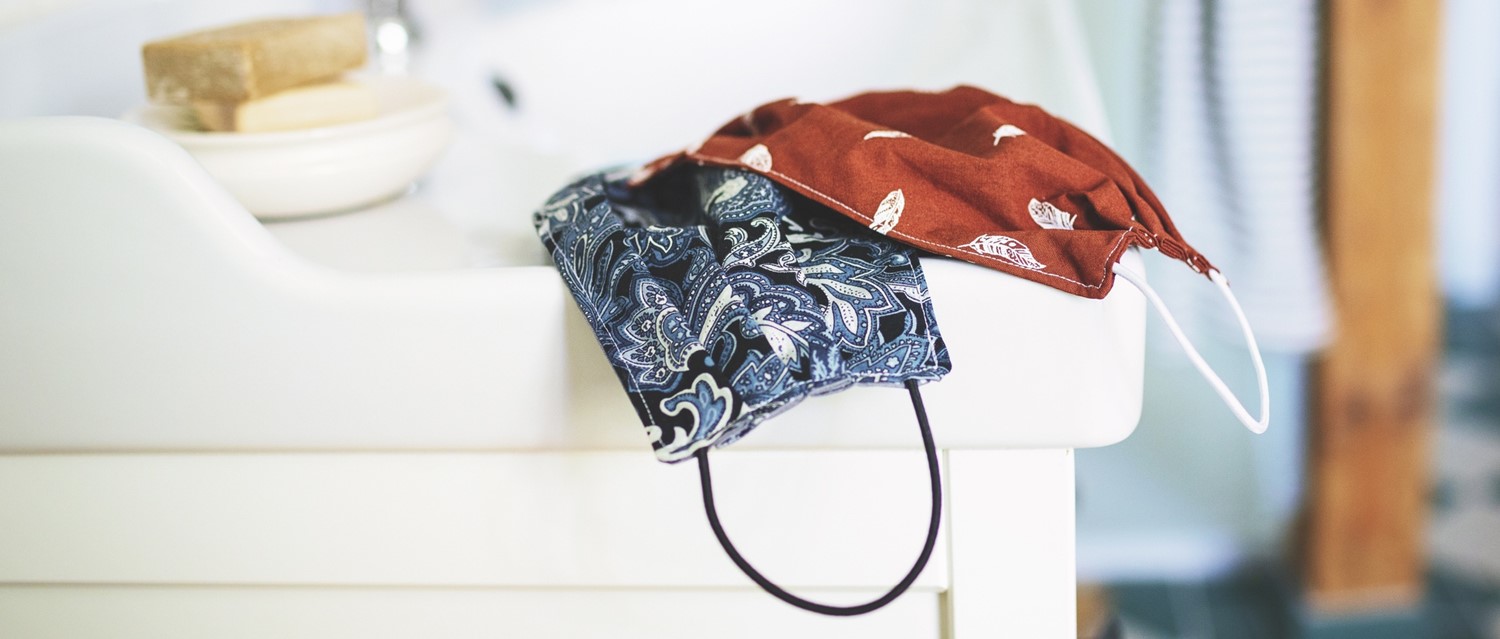
Quelles sont les dernières règles concernant les masques faciaux au Royaume-Uni ?
Alors que les règles s'assouplissent légèrement dans certaines parties du Royaume-Uni, de nouvelles mesures sont mises en place pour nous protéger à mesure que notre exposition au monde extérieur augmente. L'une de ces mesures consiste à porter un masque ou une couverture faciale, qui, en Angleterre, est devenue obligatoire dans certaines situations.
par Milly Evans
À propos de l'auteurVoir la biographie complète
Rédigé par

Lydia Smith
Rédacteur de reportages
Licence, Master, MSc
Lydia Smith est une journaliste primée et rédactrice spécialisée qui a beaucoup écrit sur la santé des femmes et la santé mentale. Elle prépare actuellement un MSc en psychologie.
À propos du critiqueVoir la biographie complète

Dr Sarah Jarvis
Consultant Clinique
MA (Cantab), BM, BCh (Oxon), DRCOG, FRCGP, MBE
Après avoir suivi une formation en médecine à Cambridge et Oxford, le Dr Sarah Jarvis MBE est devenue médecin généraliste.
Historique de l'article
Article également disponible en Anglais, Allemand, Espagnol, Français, Italien, Portugais, Hindi, Hébreu, Arabe, and Suédois.
22 déc. 2021 | Publié à l'origine
Écrit par :
Lydia SmithRevu par
Dr Sarah Jarvis
Partagez vos pensées ou expériences avec les autres dans notre communautés de patients.
Accès simple à des traitements fiables et à des services de santé en ligne.
Common conditions
Get help with common conditions through the NHS, without a GP appointment.





Inscrivez-vous à la newsletter Patient
Votre dose hebdomadaire de conseils de santé clairs et fiables - rédigés pour vous aider à vous sentir informé, confiant et maître de la situation.
En vous abonnant, vous acceptez notre Politique de confidentialité. Vous pouvez vous désabonner à tout moment. Nous ne vendons jamais vos données.