Fertility diet: what to eat when you're trying to get pregnant
Revu par Dr Krishna Vakharia, MRCGPDernière mise à jour par Amberley DavisLast updated 17 mai 2023
Respecte les directives éditoriales
- TéléchargerTélécharger
- Partager
- Language
- Discussion
- Version audio
Avec l'infertilité touchant jusqu'à une femme sur sept au Royaume-Uni, il est important de faire tout notre possible pour soutenir et protéger nos fonctions corporelles impliquées dans la conception d'un enfant. Cela commence par notre alimentation - quelque chose que nous pouvons contrôler chaque jour. Nous avons parlé à un spécialiste de la fertilité de ce qu'il faut manger et éviter dans le cadre d'un régime pour favoriser la fertilité.
Dans cet article:
Video picks for Fertilité
For the purpose of this article 'girls, females, or women' are those individuals assigned as female at birth. "Boys, males or men" are those individuals assigned as male at birth. It is not intended to exclude or dismiss individuals who do not identify as female or male.
Continuez à lire ci-dessous
Can a fertility diet really help you conceive?
Excitement, fear, anticipation, and concern are just some of the emotions felt by many couples trying to get pregnant. Some nerves around l'infertilité are normal, as it can take some time. In fact, it's only after a year of trying without success that couples may be investigated for infertility problems.
When it comes to la fertilité, not everything is within our control - but what we eat and drink could make a difference to our chances of conceiving. The evidence to back this so-called fertility diet is growing - and both partners can benefit1.
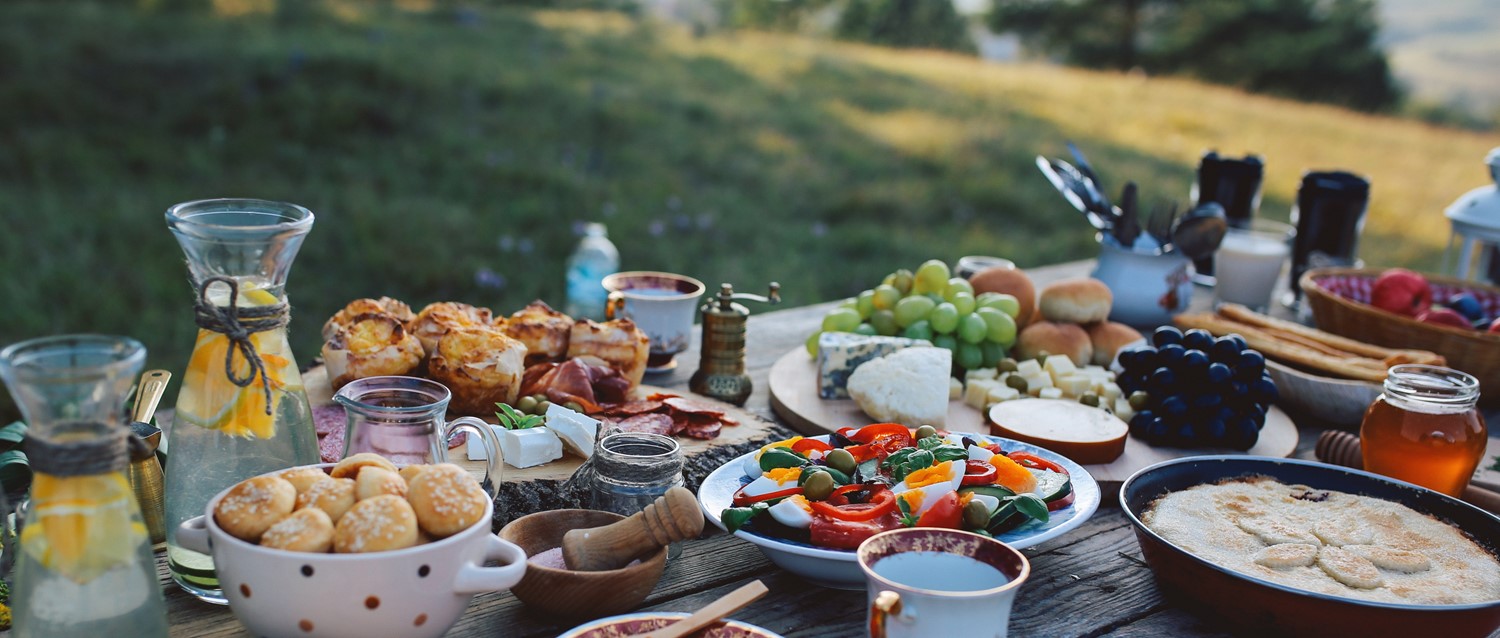
A fertility diet isn't a strict and definitive eating plan. Rather, it's a term used to describe a healthy, varied, and well-balanced diet filled with foods that support - rather than inhibit - ovulation, sperm health, reproductive hormones, and other important mechanisms involved in conception.
Mediterranean diet for fertility
Some people look to the régime méditerranéen - followed by people in Blue Zone regions - as the best lived example of a fertility diet. Fertility specialist Dr Jane Frederick explains why:
"When you're trying to get pregnant, you want a varied, healthy diet made up of mono-unsaturated (healthy) fats, fruits, vegetables, wholegrains, and fish. When it comes to a fertility diet, this is where the evidence lies - and this is also what comprises a Mediterranean-style diet."
For many years, people from all over the world have looked to the Mediterranean diet to boost their health and lengthen their lifespan. It now also appeals to those hoping to conceive, but there's no need to move to the Mediterranean coastline - we can get the main foods in the UK.
Foods to include on a fertility diet
Retour au sommaireGraisses saines
As long as you watch the calories and portion sizes to maintain a healthy weight, some types of dietary fat improve fertility and prevent embryo loss2. The trick is to consume mono-unsaturated fats, which are healthy and nutritious: "Plant-based fats like nuts, avocados, huile d'olive, and grapeseed oil contain antioxidants and reduce inflammation, which in turns helps support regular ovulation," says Dr Frederick.
Fruit and veg
Eating a colourful variety of fruit and vegetables will nourish your body with the essential vitamins and minerals it needs to support conception. It's also the best way to supply your body with glutathione - an antioxidant that helps preserve all other antioxidants. In doing so, glutathione significantly reduces cell damage and improves the quality of eggs, embryos, and sperm3.
"I especially recommend asparagus and kale," says Dr Frederick. "These are good powerhouse vegetables that deliver high doses of glutathione."
Complex carbs
Swapping refined carbs for complex carbs - also called fast and slow carbs - reduces blood sugar spikes because complex carbs are digested more slowly. Dr Frederick explains that good blood sugar control is one of the key mechanisms at work in a fertility diet: "You want to avoid foods that increase de l'insuline resistance - a hormone released into the bloodstream during blood sugar spikes that can disrupt ovulation. Instead, choose complex carbs like whole grains, brown rice, quinoa."
In women, high blood sugar and insulin resistance may cause unpredictable menstrual cycles, disrupt reproductive hormones, and prevent embryos from implanting in the womb. Men are also not immune - high blood sugar can contribute to dysfonction érectile and sperm damage, particularly in those with diabetes or prediabetes.
Plant protein
According to the fertility specialist, when it comes to fertility diet protein sources - think plant rather than animal. Even though chicken, pork, turkey, and beef are good sources of protéines, iron, and zinc, animal protein contains more saturated (unhealthy) fats4 and affects blood sugar and insulin differently compared to plant protein5.
As a result, diets containing plant protein appear to significantly improve fertility. One study of 18,555 women found that those who got 5% of their energy intake from plant protein, rather than animal protein, had a 50% lower risk of infertility5.
Fish
There is one exception to the plant protein rule, and that's fish. Salmon, sardines, and tuna are rich in omega-3 fatty acids, which are anti-inflammatory fats that support your general health. They aid fertility in by supporting ovulation, embryo growth, and reproductive hormone production in women - and by supporting the quality and motility of sperm in men.
Dr Frederick says: "In pregnancy, omega-3 fatty acids help develop your baby's nervous system, but many people don't think about their intake before. If you're worried about mercury levels, including these options a couple of items a week is perfectly safe when you're trying to conceive."
Ditch the dairy?
There's a lot of mixed advice and evidence for dairy in fertility diets. Some specialists, like Dr Frederick, advise consuming in moderation. This is because cows are often chemically manipulated, and scientists don't yet know how much this could influence your own reproductive hormones.
If you are consuming dairy, the doctor recommends her patients to opt for des probiotiques and full fat dairy products - such as milk and yoghurt - over the low or non-fat products. There's some evidence the former is better for fertility, although results are mixed6.
Continuez à lire ci-dessous
Foods to avoid on a fertility diet
Retour au sommaireWith Dr Frederick, we've explored the science behind the foods that lead to improved fertility. The same science also tells us which foods to limit or avoid.
You may not be able to fully cut out some of these foods, but keeping this list handy can be helpful when you're trying for a baby.
Dr Frederick's list of foods to avoid or limit:
Alcool - should be avoided where possible, as it's bad for sperm count as well as a developing unborn baby.
Caféine - limit to one cup a day (200mg), as in higher doses it can affect mucus membranes in the womb, which are needed to allow sperm to easily reach an egg.
Graisses trans - the unhealthy fats found in processed and packaged foods that increase insulin resistance.
Refined sugar - for example, sweets, fizzy drinks, and packaged desserts, raise blood sugar and increase risk of ovulation disorders.
Refined/fast carbs - for example, white bread and cookies, raise blood sugar and increase risk of ovulation disorders.
Artificial sweeteners - for example, aspartame and saccharin, create a cortisol hormone response which affects ovulation. Instead, use natural sweeteners like honey and agave.
Gluten - for example, wheat-based products like bread and pasta. Some people may wish to cut back, as it can produce an inflammatory response - although le gluten sensitivities vary.
How to have the best chance of success with your fertility diet
Retour au sommaireWhen you're trying for a baby, there are no guarantees, but knowing that you are doing what you can by feeding your body the right nutrition can help keep you feeling calm and happy in what can be a time of emotional ups and downs.
Dr Frederick shares the top tips she gives her patients:
Eat as if you're already pregnant - the same foods that are good for growing babies are also fertility-friendly, and good for you in other ways too.
Don't neglect the vitamin supplements - for improved ovulation, women should focus on folic acid, iron, DHA omega-3 fatty acid, and vitamine D. Men should prioritise selenium, zinc, folate, and vitamin B12 for better sperm mobility and count.
Folic acid is a particularly important supplement for all women trying to get pregnant - it reduces the chance of neural tube defects.
"For male patients, I recommend the same foods as I do for women, but there are also a couple more things to think about," says Dr Frederick.
"Eating and drinking lots of dairy has been linked to poor sperm count and mobility. Also, while protein is important for women too, men should really focus on consuming a high amount of protein in both food and supplements. This is because protein prevents testosterone - the male reproductive hormone - being converted into oestrogen. The different supplements men and women should take are listed above."
Continuez à lire ci-dessous
Pour en savoir plus
Retour au sommairePatient picks for Fertilité

Santé sexuelle
La vérité sur la grossesse après 40 ans
Concevoir dans la quarantaine n'est-il qu'une question de chance, ou existe-t-il des facteurs clés qui peuvent considérablement réduire ou augmenter vos chances de fonder une famille à la mi-vie ? Nous consultons des experts.
par Sally Turner
Santé sexuelle
Les scientifiques développent une méthode de séparation des spermatozoïdes pour la sélection du sexe
Les chercheurs ont mis au point un traitement chimique réversible pour séparer les spermatozoïdes X et Y afin de choisir le sexe de la progéniture.
par Milly Evans
Continuez à lire ci-dessous
Historique de l'article
Les informations sur cette page sont examinées par des cliniciens qualifiés.
17 mai 2023 | Dernière version
17 mai 2023 | Publié à l'origine

Demandez, partagez, connectez-vous.
Parcourez les discussions, posez des questions et partagez vos expériences sur des centaines de sujets de santé.

Vous ne vous sentez pas bien ?
Évaluez vos symptômes en ligne gratuitement
Inscrivez-vous à la newsletter Patient
Votre dose hebdomadaire de conseils de santé clairs et fiables - rédigés pour vous aider à vous sentir informé, confiant et maître de la situation.
By subscribing you accept our Politique de confidentialité. Vous pouvez vous désabonner à tout moment. Nous ne vendons jamais vos données.