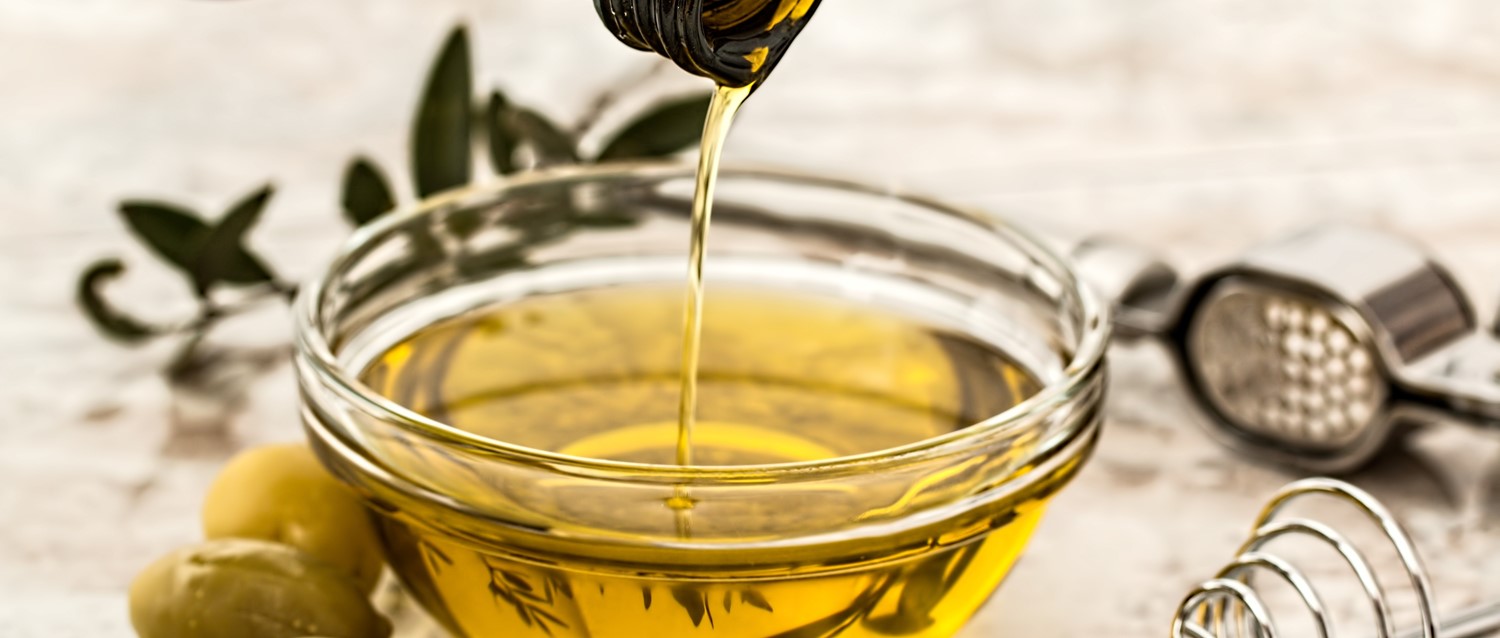
Boire de l'huile d'olive est-il bon pour vous ?
Revu par Dr Krishna Vakharia, MRCGPDernière mise à jour par Victoria RawDernière mise à jour 29 juil. 2024
Respecte les directives éditoriales
- TéléchargerTélécharger
- Partager
- Language
- Discussion
- Version audio
- Ajouter aux sources préférées sur Google
A bottle of it can be found in most people's kitchens, but how are celebrities like Goldie Hawn, Jennifer Lopez, and Kourtney Kardashian taking their love for olive oil and its health benefits to the next level?
By drinking olive oil, celebrities and influencers believe they're getting a more potent wellness boost from this healthy cooking oil. We explore what these benefits are, whether drinking it is better than cooking with it, and how safe this trend is, especially in high quantities.
Health benefits of olive oil
You may use it when cooking, but how much do you know about the health benefits of olive oil? Let's start with the basics.
Olive oil is extracted from olives that grow on trees mainly in the Mediterranean region. As such, olive oil is the main source of fat within the régime méditerranéen. It's no coincidence that this diet has been linked with blue zones - pockets of the world where populations have the longest life expectancy. While there are many other diet factors involved here, evidence suggests that olive oil plays a key role.
Olive oil is rich in antioxidants, monounsaturated - or healthy - fat, and is anti-inflammatory. As a result, it's been linked with a reduced risk of several health conditions.
Here's a snapshot of the evidence
Cancer - the main monounsaturated fat in olive oil, called oleic acid, may reduce the risk of cancer du sein, although more studies are needed1. There is also evidence that phenols in olive oil may help to prevent cancer colorectal2.
Gut-related illness - the same study concluded this was because phenols could support a healthy gut and boost intestinal immunity. This may be useful for people with conditions such as syndrome du côlon irritable (SCI)2.
Cardiovascular disease and stroke - a review of 32 studies found that the monounsaturated fat in olive oil was associated with a reduced risk of AVC et une maladie cardiaque3.
Polyarthrite rhumatoïde - one study suggests that the antioxidants in olive oil may improve inflammation, such as swollen joints, and reduce oxidative stress - cell damage caused by unstable atoms - in people with polyarthrite rhumatoïde4.
Should you drink olive oil?
Many celebrities and influencers have sworn by daily olive oil shots, promoting drinking olive oil as the latest and worst-kept health and beauty secret. However, while we know that olive oil is packed with goodness, consuming large amounts of olive oil can have harmful side effects and cause serious health problems. It can even be dangerous.
"Olive oil has many health benefits but drinking it is not needed," says Kirsten Jackson, consultant dietitian at The Food Treatment Clinic. "Per tablespoon, olive oil is 110 calories, and so drinking it can cause excess calorie intake, which will lead to la prise de poids."
Many experts agree that most people following a regular, balanced diet already get enough oil through healthy cooking and meal preparation. Too much fat - whether healthy or unhealthy - may contribute to weight gain and associated health issues, such as diabète de type 2 et l'hypercholestérolémie.
"Fat in general, regardless of the source, can trigger the gastro-colic reflex causing looser stools - poo - especially in those with IBS," adds Jackson.
So, what of the claims made by fans of the olive oil shot?
Is drinking olive oil good for bloating?
While olive oil has benefits for gut health, the evidence that drinking it every day can help reduce les ballonnements is medically unproven. This may work for some, but every person has different factors that influence digestion, including food intolerances, hormonal changes, and niveaux de stress. It can help relieve constipation.
Does drinking olive oil help your skin?
Olive oil is bursting with antioxidants, including vitamin E - which can slow down skin cell damage and trigger collagen production - that helps to keep skin looking younger. It's also antibacterial, which may improve common skin conditions such as eczéma et l'acné. However, the jury's out on whether drinking olive oil can make a real and visible difference.
Olive oil - how to do it right
So, experts don't generally advise drinking this beauty food. Instead, a Mediterranean diet-style approach is a much more tried and tested way to reap the benefits of olive oil without making your diet high-fat. Consuming olive oil in moderation in a Mediterranean diet can even tackle l'obésité1.
Remember, quality comes over quantity. Extra virgin olive oil is high-quality because it undergoes less processing than other forms. This means that it retains more of the antioxidants and other compounds from the olives.
The ideal olive oil intake
According to the European Food Safety Authority (EFSA) and the Food and Drug Association (FDA), two tablespoons of extra virgin olive oil a day is enough to reduce your chance of developing health issues such as inflammation and heart conditions.
If you think about the amount you use to fry and roast food, or include as salad dressings, making this your oil of choice in food preparation is an easy way to reap the benefits of olive oil. Better still, replace unhealthy saturated fats - such as butter - with olive oil, to really look after your heart and maintain a healthy weight.
The takeaway? Yes, olive oil can support your health in a big way in small amounts. But there's no need to drink it.
Pour en savoir plus
Sélections des patients pour Alimentation saine

Régime et nutrition
Pourquoi avons-nous des symptômes de sevrage du sucre ?
Réduire la consommation de sucre présente de nombreux avantages pour la santé, notamment la réduction du risque d'obésité et de diabète de type 2. Cependant, certaines personnes signalent des symptômes de sevrage désagréables - tels que des maux de tête et de la fatigue lorsqu'elles essaient de consommer moins d'aliments sucrés. Mais pourquoi est-ce le cas et comment pouvez-vous gérer ces effets secondaires ?
par Lydia Smith
Régime et nutrition
Aliments ultra-transformés : Les laits sans produits laitiers comme l'avoine ou le soja sont-ils bons pour nous ?
Les ventes de laits végétaux, comme le lait d'avoine, de soja, d'amande et de coco, ont augmenté de manière spectaculaire ces dernières années. Environ 1 Britannique sur 3 consomme des laits sans produits laitiers, transformant cela en un marché de 400 millions de livres par an au Royaume-Uni. Mais avec beaucoup de ces boissons classées comme ultra-transformées, sont-elles vraiment bonnes pour nous ?
par Lydia Smith
À propos de l'auteurVoir la biographie complète

Amberley Davis
Rédacteur senior
BA (Hons), CPD
Amberley est une rédactrice senior chez Patient et a écrit de manière approfondie sur une gamme de sujets liés à la santé et au bien-être.
À propos du critiqueVoir la biographie complète

Dr Krishna Vakharia, MRCGP
Médecin-chef pour la santé, Optum UK
MBChB, MRCGP(2013), BMedSci (hons), DFSRH, DRCOG, PGDipDerm (Distn)
Le Dr Krishna Vakharia est un médecin généraliste du NHS. Elle est également examinatrice régulière pour le diplôme de troisième cycle en dermatologie pratique à l'Université de Cardiff, ainsi que médecin-chef pour la santé chez Optum UK.
Historique de l'article
Les informations sur cette page sont examinées par des cliniciens qualifiés.
Article également disponible en Anglais, Allemand, Espagnol, Français, Italien, Portugais, Hindi, Hébreu, Arabe, and Suédois.
Prochaine révision prévue : 30 juil. 2027
29 juil. 2024 | Dernière version
9 Aug 2022 | Publié à l'origine
Écrit par :
Amberley Davis

Demandez, partagez, connectez-vous.
Parcourez les discussions, posez des questions et partagez vos expériences sur des centaines de sujets de santé.

Vous ne vous sentez pas bien ?
Évaluez vos symptômes en ligne gratuitement
Inscrivez-vous à la newsletter Patient
Votre dose hebdomadaire de conseils de santé clairs et fiables - rédigés pour vous aider à vous sentir informé, confiant et maître de la situation.
En vous abonnant, vous acceptez notre Politique de confidentialité. Vous pouvez vous désabonner à tout moment. Nous ne vendons jamais vos données.
Plus sur l'alimentation et la nutrition
- Au-delà du raisin : découvrir les bienfaits du resvératrol pour la santé
- Le régime alimentaire peut-il affecter votre TDAH ?
- Le kombucha peut-il améliorer votre santé ?
- Les compléments alimentaires peuvent-ils aider à gérer le diabète ?
- Tout ce que vous devez savoir sur le jeûne de sardines de 3 jours
- Le miel peut être l'énergie naturelle dont vous avez besoin pour dynamiser vos entraînements
- Comment prendre du poids sainement
- Comment se débarrasser des gaz intestinaux : remèdes maison efficaces
- Comment se préparer en vitamines pour l'automne et l'hiver
- Comment vivre plus longtemps : bonnes habitudes pour une vie saine
- Comment faire des choix plus sains sans se priver
- Régime pour le SII : aliments à consommer et à éviter
- Le régime Okinawa est-il une recette pour la longévité ?
- Régime pescetarien : avantages, inconvénients et ce que vous pouvez manger
- Recette : Pains briochés sans gluten
- Les 5 meilleurs aliments probiotiques pour un intestin sain
- Le régime réductarien : comment manger moins de viande
- Quels sont les bienfaits de la vitamine E ?
- Qu'est-ce que l'ashwagandha ? Bienfaits pour la santé, utilisations et effets secondaires
- Pourquoi trop de sucre est mauvais pour les enfants