Qu'est-ce que l'intolérance au gluten ?
Revu par Dr Sarah JarvisRédigé par Amberley DavisPublié à l'origine 6 mars 2022
Respecte les directives éditoriales
- TéléchargerTélécharger
- Partager
- Language
- Discussion
- Version audio
- Ajouter aux sources préférées sur Google
L'intolérance au gluten, également connue sous le nom de sensibilité non cœliaque au gluten, est une intolérance alimentaire à la protéine gluten qui peut provoquer inconfort et douleur après sa consommation. À ne pas confondre avec la maladie cœliaque - une maladie auto-immune causée par le gluten - les symptômes de l'intolérance au gluten sont de courte durée. En revanche, la maladie cœliaque peut avoir des conséquences graves à long terme si elle n'est pas traitée. Les deux sont gérées par l'adoption d'un régime sans gluten.
Qu’est-ce que le gluten ?
Gluten has suffered a lot of bad press in recent years. It's true that a un nombre important de personnes experience problems when they ingest gluten. This can be due either to gluten intolerance or to maladie cœliaque. Cependant, cette mauvaise publicité a amené de nombreuses personnes qui tolèrent le gluten à s’interroger sur sa place dans une alimentation saine.
Most of the debate surrounding gluten comes from confusion over what it is: "Gluten is a protein that's found in wheat, rye and barley," explains Rachel Ball, registered dietitian and Association Diététique Britannique (BDA) member. "It's also sometimes found in oats, due to gluten contamination. Oats can also cause a reaction in gluten-intolerant people due to a similar protein (avenin)."
Depuis des siècles, les gens comptent sur les aliments contenant du gluten comme sources importantes de protéines, de fibres et de nutriments. Cette protéine peut être extraite et ajoutée à d’autres aliments et produits, auxquels elle apporte de la saveur et de la texture, tout en servant d’agent liant qui maintient les aliments transformés ensemble.
Quels aliments contiennent du gluten ?
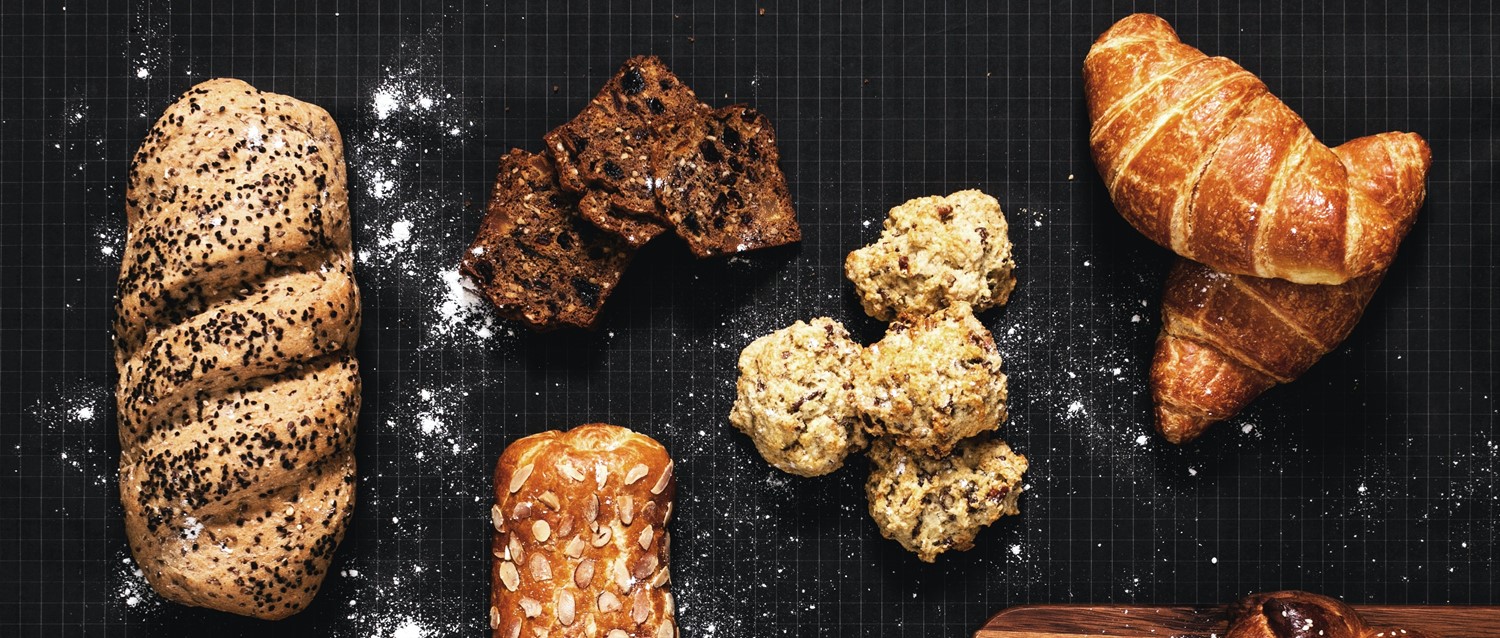
In the western world, our main gluten sources come from wheat, which is found in bread, pasta, pastries and other baked goods and cereals," says Reema Patel, a registered dietitian at Diététicien en Forme". « Le seigle se trouve dans le pain de seigle, les céréales et la bière de seigle. L’orge se trouve dans la bière et la levure de bière, ainsi que dans les produits maltés comme le vinaigre de malt. »".
Les aliments à forte teneur en gluten comprennent :
Pâtes.
Pain.
Gâteaux.
Farine.
Pâtisserie.
Biscuits.
Certains céréales.
Bière.
Le gluten et votre système digestif
Lorsque nous consommons du gluten, l’enzyme qui aide notre organisme à décomposer et à assimiler les protéines (appelée protéase) ne parvient pas à digérer entièrement cette protéine. Le gluten qui n’est pas décomposé se retrouve alors dans l’intestin grêle et, chez la plupart des gens, cela ne pose aucun problème.
Le gluten est-il mauvais pour la santé ?
De nombreuses études montrent que le gluten en lui-même n’est pas mauvais pour les personnes qui ne souffrent ni de maladie cœliaque ni d’intolérance au gluten. Cela vaut particulièrement pour le gluten naturellement présent dans les céréales complètes que sont le blé, l’orge et le seigle.
Le gluten est souvent extrait des céréales pour fabriquer des aliments raffinés, c’est-à-dire des aliments hautement transformés dont les nutriments d’origine ont été éliminés.
While wheat is highly nutritious, gluten-containing processed foods tend to contain white flour and starches with little nutritional value and high levels of salt, sugar and saturated fat. The significance here is that it's not the gluten itself that leads to related health issues such as la prise de poids et diabète de type 2.
Quoi qu’il en soit, les idées reçues sur le gluten sont très répandues. Pourtant, peu de recherches scientifiques, voire aucune, étayent les affirmations selon lesquelles le gluten serait mauvais pour la santé des personnes qui ne souffrent ni de maladie cœliaque ni d’intolérance au gluten. Au contraire, le gluten a été associé à de nombreux effets bénéfiques pour la santé.
Par exemple :
Le gluten dans les céréales complètes - there's lots of des preuves linking whole grain consumption with a lower risk of diseases such as AVC, maladies cardiaques et diabète de type 2.
Gluten et maladies cardiaques - one étude of over 100,000 healthy participants found no link between diets containing gluten and heart disease risk. On the contrary, findings indicated that following a gluten-free diet could increase the risk of heart disease due to the reduced consumption of healthy whole grains.
Le gluten comme prébiotique - experts believe that gluten may act as a prébiotiques, feeding the "good" bacteria in our bodies. When we have less good bacteria, we are more vulnerable to conditions involving the digestive system, including le syndrome du côlon irritable (IBS) and cancer colorectal.
Qu'est-ce que l'intolérance au gluten ?
Pour la plupart des gens, le fait que le gluten ne puisse pas être entièrement décomposé dans l’intestin ne pose pas de problème. En revanche, chez les personnes intolérantes au gluten, cela peut déclencher des symptômes désagréables. Patel explique :
"Intolérance au gluten is a sensitivity to gluten (sometimes called non-coeliac gluten sensitivity). This isn't to be confused with coeliac disease, which is an autoimmune disease.
"Although symptoms for both are similar, there are key differences. A sensibilité ou une intolérance to gluten does not produce an immune response and does not damage the gut lining, as coeliac disease does."
Other gluten-related conditions include l’allergie au blé (an allergic reaction to wheat but not to gluten itself) and gluten ataxia (a very rare neurological auto-immune that causes your body to attack parts of your brain in response to gluten).
Until recently, experts believed gluten intolerance to be related to coeliac disease and wheat allergy. However, several des études have found that you can have gluten intolerance without having these other conditions. Liens have been identified between having gluten intolerance and factors such as a genetic tendency toward allergies.
Symptômes de l’intolérance au gluten
Selon Ball et Patel, les symptômes courants de l’intolérance au gluten comprennent :
Les symptômes comprennent parfois :
These symptoms are the same for coeliac disease. Your GP will be able to provide an test de dépistage des anticorps that can either diagnose or rule out coeliac disease with 98% accuracy. For the test to work, you'll need to carry on eating gluten until after the antibody test has been taken.
Coeliac UK has a helpful outil en ligne for checking if your symptoms might be due to coeliac. However, Ball cautions that the BDA does not recommend you order any commercial food sensitivity tests "due to a lack of scientific evidence of the accuracy of these tests".
Vivre avec une intolérance au gluten
The only recommended treatment for gluten intolerance is following a régime sans gluten". « Cependant, les personnes intolérantes au gluten peuvent parfois en tolérer une petite quantité. En revanche, les personnes atteintes de la maladie cœliaque doivent suivre un régime strict sans gluten », explique Patel.
It's important to note that not all gluten-free products are healthy. Likewise, since gluten-containing whole grains contain essential nutrients, you'll need to get these from other foods. "Those on a gluten-free diet need to ensure they are getting adequate fibre, calcium, and Vitamines B", », explique Ball.
Ball recommande ce qui suit :
Sources de fibres sans gluten
Noix et graines.
Légumes.
Avoine sans gluten : vérifiez la présence d’une certification « sans gluten », qui garantit une teneur totale en gluten inférieure à 20 parties par million.
Légumineuses et lentilles (comme l’avoine, elles sont naturellement sans gluten, mais peuvent être contaminées par de petites quantités de gluten. Vérifiez que les versions en conserve ne portent pas la mention « peut contenir du gluten »).
Fruits.
Pommes de terre.
Sources de calcium sans gluten
Produits laitiers.
Substituts aux produits laitiers.
Brocoli.
Graines de sésame.
Tofu.
Tahini
Sources de vitamines B sans gluten
Levure nutritionnelle/inactivée - évitez l’extrait de levure, car il contient du gluten. La levure nutritionnelle est sans gluten.
Compléments de vitamines B.
"« Les aliments suivants, naturellement sans gluten, peuvent remplacer les pâtes et le couscous dans vos repas. »".
Riz brun.
Quinoa.
Sarrasin.
Millet.
"« Si vous préférez retrouver des produits contenant du gluten, il en existe de nombreux à base de maïs, de lentilles, de riz, de quinoa, de pommes de terre, de fécule de tapioca, de pois et bien plus encore. Vous pouvez aussi acheter des farines sans gluten et préparer des produits chez vous », ajoute Ball.
Une alimentation saine et équilibrée peut vous protéger contre de nombreux problèmes de santé. Il est préférable d’éviter les aliments transformés sans gluten, qui ont tendance à être riches en sel, en sucre et en matières grasses : notamment les chips, les biscuits et autres collations sans gluten.
Le gluten caché
Vous serez peut-être surpris d’apprendre que les aliments suivants contiennent souvent du gluten :
Les soupes.
Les sauces.
Les viandes transformées.
Substituts de viande à base de plantes.
Chips aromatisées.
Chips aromatisées.
Cafés et thés aromatisés.
Il y a plusieurs ressources en ligne, notamment des conseils pour lire les étiquettes alimentaires, proposés par des associations comme Coeliac UK, qui peuvent aider aussi bien les personnes souffrant d’une sensibilité au gluten non cœliaque que celles atteintes de la maladie cœliaque.
"« La réintroduction du gluten peut être envisagée 1 à 2 ans après le diagnostic, avec l’accompagnement d’un professionnel de santé expérimenté, comme un diététicien agréé », ajoute Patel. « La réintroduction de petites quantités de gluten devra être testée individuellement sur une certaine période, car la tolérance peut varier d’une personne à l’autre. »".
Sélections des patients pour Allergie et intolérance alimentaires
Allergies, sang et système immunitaire
Comment faire découvrir les aliments allergènes à votre bébé
Le passage de votre bébé aux aliments solides peut être une expérience amusante, surtout lorsque vous observez ses réactions en découvrant de nouvelles saveurs et textures. Mais lui faire goûter des aliments susceptibles de déclencher une réaction allergique, comme les cacahuètes ou les fruits de mer, peut aussi être angoissant. Alors, comment procéder en toute sécurité ?
par Lawrence Higgins

Allergies, sang et système immunitaire
Qu'est-ce que l'intolérance à l'alcool et quels en sont les symptômes ?
L'alcool peut provoquer un grand inconfort si quelqu'un en consomme sans savoir qu'il est intolérant à l'alcool. Continuer à boire de l'alcool en sachant que vous êtes intolerant (ou allergique) peut également avoir de graves conséquences sur la santé.
par Emily Jane Bashforth
À propos de l'auteurVoir la biographie complète
Rédigé par

Amberley Davis
Rédacteur senior
BA (Hons), CPD
Amberley est une rédactrice senior chez Patient et a écrit de manière approfondie sur une gamme de sujets liés à la santé et au bien-être.
À propos du critiqueVoir la biographie complète

Dr Sarah Jarvis
Consultant Clinique
MA (Cantab), BM, BCh (Oxon), DRCOG, FRCGP, MBE
Après avoir suivi une formation en médecine à Cambridge et Oxford, le Dr Sarah Jarvis MBE est devenue médecin généraliste.
Historique de l'article
Article également disponible en Anglais, Allemand, Espagnol, Français, Italien, Portugais, Hindi, Hébreu, Arabe, and Suédois.
6 mars 2022 | Publié à l'origine
Écrit par :
Amberley DavisRevu par
Dr Sarah Jarvis
Participez à la conversation
Partagez vos pensées ou expériences avec les autres dans notre communautés de patients.

Demandez, partagez, connectez-vous.
Parcourez les discussions, posez des questions et partagez vos expériences sur des centaines de sujets de santé.

Vous ne vous sentez pas bien ?
Évaluez vos symptômes en ligne gratuitement
Inscrivez-vous à la newsletter Patient
Votre dose hebdomadaire de conseils de santé clairs et fiables - rédigés pour vous aider à vous sentir informé, confiant et maître de la situation.
En vous abonnant, vous acceptez notre Politique de confidentialité. Vous pouvez vous désabonner à tout moment. Nous ne vendons jamais vos données.