8 stress-relieving tips to try every day
Peer reviewed by Dr Colin Tidy, MRCGPLast updated by Lynn StephenLast updated 19 Aug 2026
Meets Patient’s editorial guidelines
- DownloadDownload
- Share
- Language
- Discussion
- Audio Version
- Add to preferred sources on Google
Whether it's the pressure of work, family life, or a looming deadline, most of us have stress from time to time. There are lots of ways to reduce stress. So, if you're feeling the strain, try some of these simple stress-busters.

Is stress always a bad thing?
Not necessarily, says Dr Chi-Chi Obuaya, Consultant Psychiatrist, at Nightingale Hospital. He explains that stress can be useful in a sporting context, or even in the workplace. Short-term stress may also improve your performance.
However, he warns that if stress is excessive or continuous, it can have a negative impact on your mental health.
Stress affects millions of people every year. While stress in itself is not a mental health issue, it is linked to health issues such as anxiety and depression, self-harm, and even suicidal thoughts.
Long-term (chronic) stress can also have an impact on your physical health - affecting blood pressure, digestion, and even causing fertility issues in some cases.
How to reduce stress
Here are eight simple habits to help alleviate stress and restore everyday calm.
1. Take a mindful pause
Mindfulness - the art of focusing your mind on the present moment is widely acknowledged as an excellent way to reduce stress. And you don't need to spend hours at a class in order to practice.
Vari McLuskie, mindfulness and meditation trainer, recommends taking a mindful pause during your day.
"Stop and breathe three times to become fully present," she says. "Let go of your thinking, anxieties, and plans and just focus fully on the breath. This will give you a short break from the busyness of your own mind and your day."
2. Visualise the positive
When we're stressed, most of us tend to picture the worst-case scenario, which can worsen our negative feelings.
Psychologist and clinical hypnotherapist Geraldine Joaquim, Quest Hypnotherapy, explains that we are predisposed to overthink negatively - it's part of our brain's survival system.
"This negative speculation causes us to release stress hormones, such as adrenaline and cortisol, to get us ready to run or fight," she says.
To counter this, Joaquim suggests visualising positive outcomes.
"By doing this we can change the chemical response, releasing hormones such as serotonin and dopamine," she explains. "This keeps us on an even keel and help to cap the levels of cortisol. So when we do hit a moment of stress we are in a better place to cope with it."
3. Don't reach for convenience foods
When we're stressed, it's tempting to reach for stimulation in the form of sugar. Sweets, chocolate, crisps, and other convenience foods may offer a short-term energy burst, but long-term can be damaging to our health and even increase stress levels.
According to registered dietitian Laura Clark, poor food choices may lead to energy slumps, and make you feel irritable and strung out.
"To regulate your blood sugar (glucose) levels, aim for balance in your meals," she says. "This means including some wholegrain carbohydrates such as brown rice noodles or wholemeal pitta, with some lean protein such as chicken, fish, or pulses."
As well as preventing the highs and lows that come with a glucose hit, eating a balanced diet can help us to feel better in the long term.
"Balanced eating also encourages the body's uptake of amino acid tryptophan - needed for serotonin production," adds Clark. "This can counteract the effect of raised cortisol levels in your body, which happen when you're under pressure."
4. Move your body
Taking a break from your desk to go for a walk, or incorporating more activity into your evening, could have a calming effect on both your mind and body. And you can incorporate exercise into your daily life. Whilst you might not have an hour to spend at the gym, most of us have the time for a short walk during the day.
Obuaya says: "Exercise is a very good coping mechanism - it gets dopamine flowing in your brain and has calming effects."
5. Release the pressure
If you feel your stress build, try this simple release recommended by reflexologists:
Using your left thumb, repeatedly press slightly above the centre of the palm on your right hand for around 30-60 seconds.
Hold for a few seconds more.
Repeat on your left hand.
Repeat as necessary throughout the day when you feel the need to de-stress.
6. Repeat a positive mantra
When you're feeling negative or stressed, repeating a positive phrase could work wonders.
Joaquim explains that Positive Affirmations were developed in the 1970s by neuroscientists. They incorporate a modern understanding of psychotherapy and linguistics to consciously rewire thought patterns towards more desired outcomes.
Joaquim suggests saying short phrases such as:
Today I'm going to greet everything with an open mind and an open heart.
I am in control of my life. I can choose what I accept or not.
I love myself as I am.
"It's a way of starting your day on a positive note, with a calm and positive energy, and using them if feeling under pressure during the day to induce equilibrium," she adds.
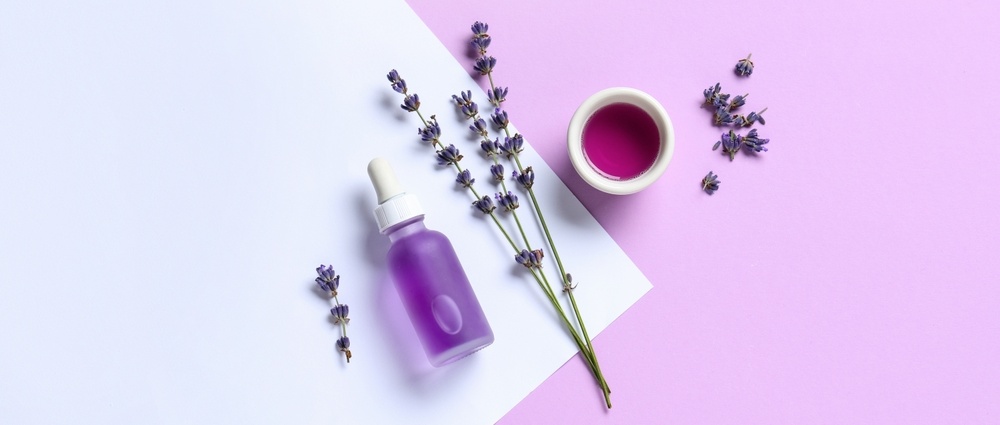
7. Try essential oils
Certain essential oils can have a calming effect and even create a relaxing atmosphere in your home or office.
Aromatherapist Lisa Basso recommends lavender, clary sage, or camomile oil for stress.
"Make sure you choose essential oils rather than a simple fragrance," she advises.
Basso adds that using oils needn't take up too much time.
"Simply heat 4-6 drops of your chosen oil in a diffuser, or even put them on to a nearby radiator," she suggests. "However, if you're pregnant, always consult a healthcare professional before using essential oils."
8. Create a pre-bed routine
If you feel under pressure, your sleep can be disrupted, and working long into the night may be counterproductive.
Joaquim explains that during the night our brain goes through essential 'download' processing, moving events into your long-term memory banks, and also carrying out necessary waste clearance.
"Lack of sleep - less than five hours per night - has been linked to Alzheimer's disease," she cautions. "Long-term poor sleep has been linked to cognitive decline."
Joaquim recommends the following:
Introduce the idea of creating a pre-bed routine - starting around 90 minutes before you want to be asleep.
Start by turning lights down, have any last drinks or snacks, and switch off screens.
Ensure your bedroom isn't too warm and that it is as dark as possible. If necessary, use an eye mask if there is intrusive light - such as street lights.
Use a relaxation audio to help promote good sleep.
If you stick to a routine, your brain will get used to the cues and will wind down quicker once the habit is embedded.
Whilst too much stress can be harmful, learning how to remain calm could help you to keep cool and remain healthy.
Patient picks for Stress management

Mental health
Which foods can reduce your stress and anxiety?
Anxiety can be complex and hard to navigate, but by making small swaps to what you eat, you could see big improvements in your mental wellbeing. With the help of a food scientist and nutrition coach, we unpack the best foods for anxiety to help put you back in control.
by Lynn Stephen
Heart health and blood vessels
Can stress cause heart attacks?
While stress alone doesn't directly cause heart attacks, long-term, unmanaged stress can raise your chance of having one. In this article, we explore effective ways to lower your likelihood of heart attack and offer practical tips for managing stress.
by Victoria Raw
About the authorView full bio

Gillian Harvey
Freelance Writer
BA (Hons) English
Gillian is a freelance writer and columnist for a variety of national newspapers and magazines.
About the reviewerView full bio

Dr Colin Tidy, MRCGP
General Practitioner, Medical Author
MBBS, MRCGP, MRCP (Paediatrics), DCH
Dr Colin Tidy is an NHS Doctor, based in Oxfordshire.
Article history
The information on this page is peer reviewed by qualified clinicians.
Article also available in English, German, Spanish, French, Italian, Portuguese, Hindi, Hebrew, Arabic, and Swedish.
Next review due: 20 Aug 2029
19 Aug 2026 | Latest version
25 Apr 2018 | Originally published
Authored by:
Gillian Harvey
Join the conversation
Share your thoughts or experiences with others in our patient communities.

Ask, share, connect.
Browse discussions, ask questions, and share experiences across hundreds of health topics.

Feeling unwell?
Assess your symptoms online for free
Sign up to the Patient newsletter
Your weekly dose of clear, trustworthy health advice - written to help you feel informed, confident and in control.
By subscribing you accept our Privacy Policy. You can unsubscribe at any time. We never sell your data.
More in mental health
- A fear of holes: what triggers trypophobia?
- Can spring make depression worse?
- Debunking eating disorder myths and stereotypes
- Domestic abuse survivors more likely to develop serious mental illness
- How does climate change affect mental health?
- How does losing a lot of weight affect your mental health?
- How money worries can affect your health
- How to cope with anxiety during pregnancy
- How to decide between different types of therapy
- How to improve your self-esteem and be kinder to yourself
- How to protect your mental health in the workplace as a Black woman
- Sunday scaries: How to beat Sunday night anxiety
- What is cortisol belly? Why stress could be making it harder to lose belly fat
- What is psychodynamic therapy?
- What to do if you get the urge to self-harm
- What to do if you have a panic attack in public
- What's the link between mental health and heart disease?
- Where does a fear of vaccines come from?
- Why can the menopause trigger anxiety?
- You don't have to be underweight to have an eating disorder