
Quelles sont les options de traitement du COVID à domicile ?
Revu par Dr Krishna Vakharia, MRCGPDernière mise à jour par Lydia SmithDernière mise à jour 16 oct. 2023
Respecte les directives éditoriales
- TéléchargerTélécharger
- Partager
- Language
- Discussion
- Ask Patient
- Version audio
- Ajouter aux sources préférées sur Google
Most people who are infected with COVID experience mild symptoms which can be treated at home. So if you've got the telltale signs of the virus, what should you do to feel better?
What are the COVID-19 symptoms?
COVID-19 symptoms include the following causes:
Fièvre - a temperature above 37.8°C or skin which feels hot to touch.
A new, continuous toux.
A loss of, or change to, your sense of smell or taste.
Essoufflement and difficulty breathing.
Douleurs et courbatures.
Nez qui coule.
How to avoid passing COVID-19 on to others
There is currently no legal requirement for you to test for COVID-19, but if you have tested positive for COVID-19, you should try to avoid contact with other people for five days after the day you took the test.
If you're under 18, you should avoid contact for three days after the test. For both children and adults, if you know someone who is more vulnerable to a serious COVID-19 infection - such as an older person or someone with a weakened immune system - wait 10 days after your test before contact.
Some people are eligible for free COVID-19 tests on the NHS. If you're not, you can still buy them in pharmacies.
In an emergency, call 999 or the relevant emergency number for your region. When describing your emergency, make sure to tell the handler that you have COVID-19.
Treating COVID-19 symptoms at home
As with other viruses such as colds and flu, taking it easy and looking after yourself are important to your recovery. You should try the following for COVID treatment at home:
Buvez beaucoup de liquides. Drink enough water so that your wee is a pale, clear colour and a good amount.
Avoid alcohol as this will make you more dehydrated. There is also evidence that people with COVID-19 infection are prone to liver damage, which can be worsened by drinking alcohol.
Stay home and get plenty of rest. Avoid any strenuous activity whilst you are unwell.
Wash your hands with soap and water as often as possible. If you are in a shared space, it's your choice whether you wear a mask to prevent spreading.
Use over-the-counter medicines to treat some of your symptoms, such as paracetamol.
COVID treatment at home medication
There is not currently a cure for COVID-19. The aim of COVID-19 treatment is to manage and reduce symptoms until you have recovered.
Most people have an asymptomatic or mild infection which can be treated at home. A proportion of people who contract COVID-19 will require hospital care - the likelihood of this is very low if you are young and otherwise healthy. Those at a higher risk of severe or critical infections include older people and those with underlying health conditions.
What over-the-counter medicine is good for COVID?
For most viral infections, including flu and the common cold, simple painkillers such as le paracétamol et NSAIDs (non-steroidal anti-inflammatory drugs) such as ibuprofen - if you are able to have it - are widely recommended.
In the first wave of the pandemic, concerns were raised about a possible link between taking NSAIDs and developing more severe infection. In fact, this turned out to be completely untrue.
In 2020, the UK's Commission des Médicaments à Usage Humain drew up an urgent expert working group to look at the evidence. They found insufficient evidence to establish a link between use of ibuprofen, or other NSAIDs, and susceptibility to getting COVID-19 or the worsening of its symptoms1.
The advice is to take paracetamol or ibuprofen when treating your symptoms of COVID-19 - such as fever and headache.
What about treating other COVID symptoms?
Some of the medications and treatments you might use to treat les rhumes et la grippe will also help with COVID-19 treatment at home. Médicaments contre la toux or cough suppressants can help reduce your cough. Throat lozenges and remedies like honey and lemon may help soothe a sore throat.
What not to take when you have COVID?
Si vous avez antibiotiques at home, do not take them for COVID-19 treatment. As it is a virus, antibiotics will not treat the symptoms of coronavirus.
La Centres pour le contrôle et la prévention des maladies (CDC) warns that not only are antibiotics uneffective for COVID-19, you should never take antibiotics which haven't been prescribed for a certain condition because each time you do you contribute toward antimicrobial resistance2.
Antibacterial hand washes - unless they're also labelled as antiviral - cleaning products and hand sanitisers also won't necessarily be effective in killing the virus on surfaces or your hands for the same reasons.
Hand sanitisers containing at least 60% alcohol, or most with at least 300 parts per million of hypochlorous acid, are effective at killing viruses and improving COVID-19 treatment at home - these are almost always labelled as antiviral.
Natural home remedies for COVID
There are many natural and herbal remedy ideas floating around the internet and in health shops. Currently, there is not a remedy to cure COVID-19, so don't be fooled by the miracle COVID-19 treatments some people are trying to sell.
This said, vitamins, food supplements, and herbs have many proven health benefits. Here we investigate which home remedies for COVID might work, which don't, and which may be harmful to try.
When to seek medical attention
If your illness is worsening, your symptoms aren't improving or you're worried, you can contact NHS 111 online, call the NHS non-emergency number 111, or book an urgent GP appointment. If there is an emergency and you need an ambulance, call 999 and tell the call handler that you have coronavirus.
With children it can be harder to tell when to seek more help. If your child's symptoms are getting worse, if they have a high temperature or other signs of illness such as a loss of appetite, a rash, or feeling weak, it's a good idea to seek medical attention as COVID treatment at home may not be enough.
Pour en savoir plus
Sélections des patients pour Vaccination, tests et traitement
COVID-19
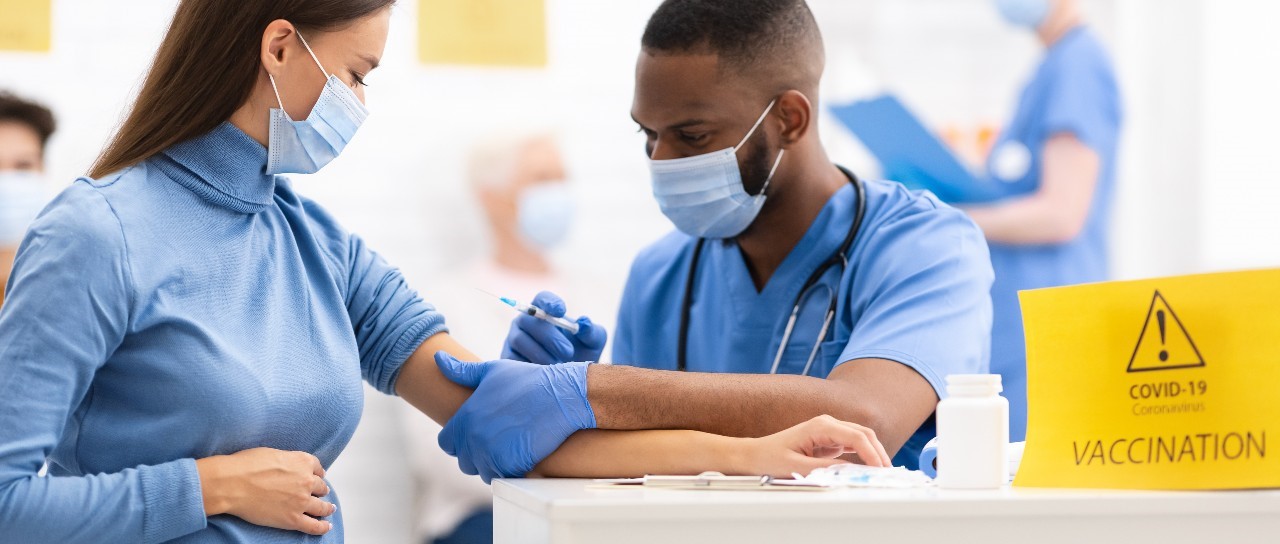
Rappels COVID-19 et grossesse : Sont-ils sûrs et devriez-vous les recevoir ?
Seulement 22 % des femmes ayant accouché en août 2021 étaient vaccinées contre la COVID-19. Il est compréhensible que vous puissiez avoir des inquiétudes concernant la vaccination ou le rappel pendant la grossesse. Avec le variant Omicron qui devrait devenir le plus dominant d'ici la mi-décembre et beaucoup de discussions sur l'importance d'un rappel pour assurer une protection maximale, explorons certaines questions que vous pourriez avoir.
par Emily Jane Bashforth
COVID-19
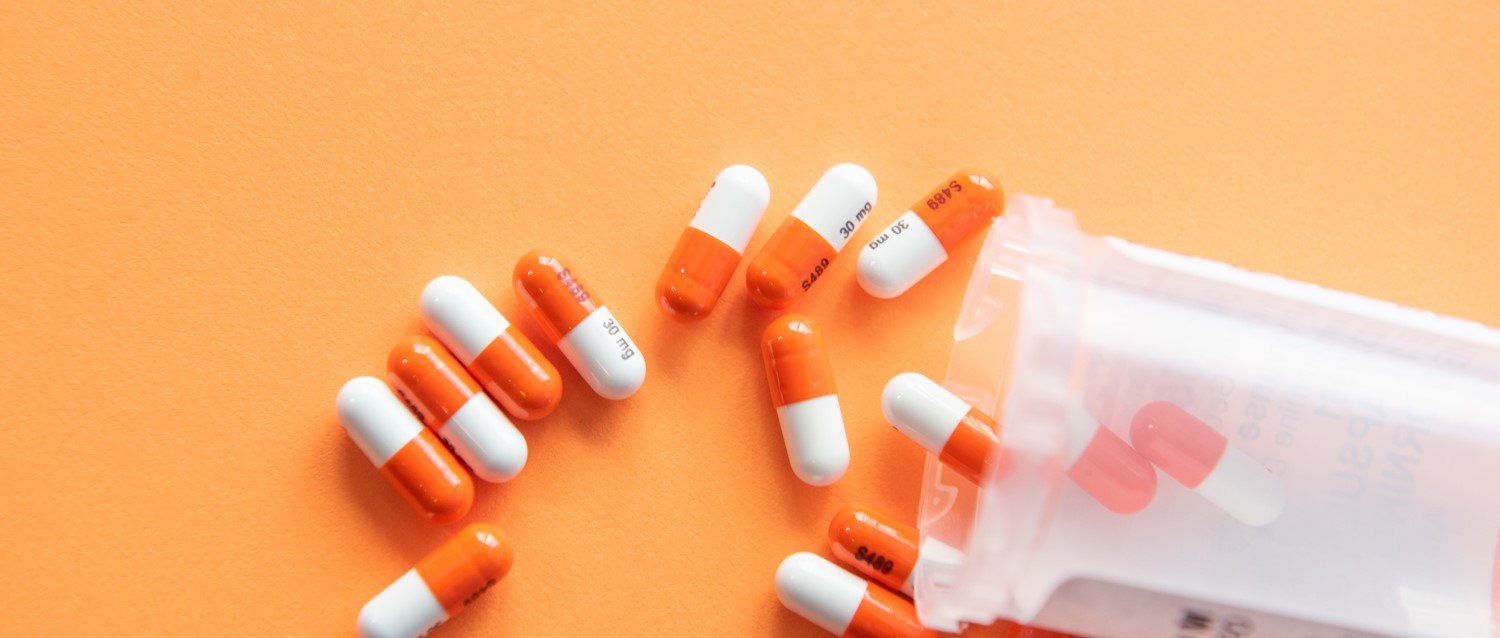
Les derniers traitements pour la COVID-19
Alors que l'Angleterre traverse son deuxième confinement dû au coronavirus et que le nombre d'infections augmente dans le monde entier, les chercheurs travaillent sans relâche pour trouver le meilleur traitement contre la COVID-19. Actuellement, des centaines de traitements sont en cours d'essai dans le but de freiner la propagation du virus et de sauver des vies.
par Andrea Downey
À propos de l'auteurVoir la biographie complète
Mis à jour par

Lydia Smith
Rédacteur de reportages
Licence, Master, MSc
Lydia Smith est une journaliste primée et rédactrice spécialisée qui a beaucoup écrit sur la santé des femmes et la santé mentale. Elle prépare actuellement un MSc en psychologie.
Rédigé par

Milly Evans
Rédactrice
Milly écrit sur une gamme de sujets liés à la santé, avec un intérêt particulier pour les inégalités en santé et la santé sexuelle.
À propos du critiqueVoir la biographie complète

Dr Krishna Vakharia, MRCGP
Médecin-chef pour la santé, Optum UK
MBChB, MRCGP(2013), BMedSci (hons), DFSRH, DRCOG, PGDipDerm (Distn)
Le Dr Krishna Vakharia est un médecin généraliste du NHS. Elle est également examinatrice régulière pour le diplôme de troisième cycle en dermatologie pratique à l'Université de Cardiff, ainsi que médecin-chef pour la santé chez Optum UK.
Historique de l'article
Article également disponible en Anglais, Allemand, Espagnol, Français, Italien, Portugais, Hindi, Hébreu, Arabe, and Suédois.
Next review due: 16 Oct 2026
16 oct. 2023 | Dernière version
18 Mar 2020 | Publié à l'origine
Écrit par :
Milly Evans
Partagez vos pensées ou expériences avec les autres dans notre communautés de patients.
Accès simple à des traitements fiables et à des services de santé en ligne.
Common conditions
Get help with common conditions through the NHS, without a GP appointment.





Inscrivez-vous à la newsletter Patient
Votre dose hebdomadaire de conseils de santé clairs et fiables - rédigés pour vous aider à vous sentir informé, confiant et maître de la situation.
En vous abonnant, vous acceptez notre Politique de confidentialité. Vous pouvez vous désabonner à tout moment. Nous ne vendons jamais vos données.