Vivre avec l'hypertension
Revu par Dr Doug McKechnie, MRCGPDernière mise à jour par Dr Philippa Vincent, MRCGPDernière mise à jour 14 nov. 2024
Respecte les directives éditoriales
- TéléchargerTélécharger
- Partager
- Language
- Discussion
- Ask Patient
- Version audio
- Ajouter aux sources préférées sur Google
About 3 in 10 adults in the UK are living with high blood pressure. There are things that you can do to try and reduce your blood pressure. This will reduce the risks of complications from high blood pressure - which can include kidney damage, AVC, maladies cardiaques, démence, and problems with the blood vessels.
En un coup d'œil
High blood pressure is when blood pushes too forcefully through your arteries.
Both the 'top' (systolic) and 'bottom' (diastolic) blood pressure numbers are important.
Regular physical activity, a healthy diet, and a low salt intake can help lower blood pressure.
Limiting alcohol to recommended amounts can also reduce high blood pressure.
Smoking does not directly affect blood pressure but greatly increases health risks if you have high blood pressure.
Sponsorisé
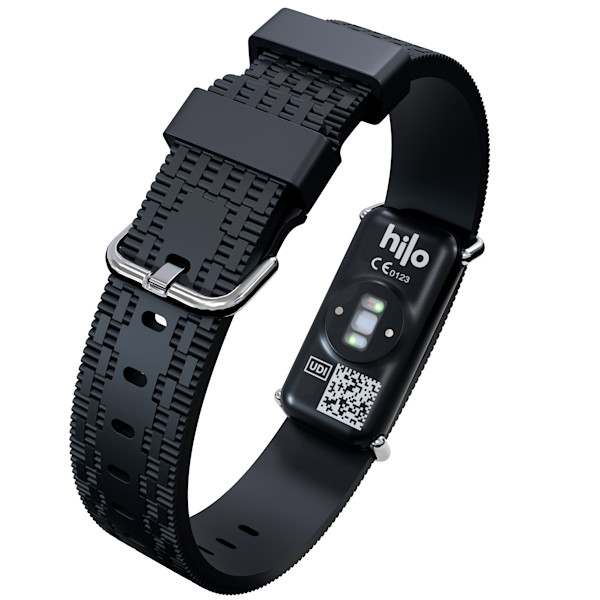
Le patient recommande... Hilo
Surveillez votre tension artérielle en continu, jour et nuit - sans brassard gonflable. Les brassards traditionnels capturent juste un moment, si vous pensez à les utiliser. Hilo effectue environ 25 relevés par jour, révélant comment le stress, les repas et l'activité affectent votre tension artérielle afin que vous puissiez faire des choix éclairés pour votre bien-être.
Qu'est-ce que l'hypertension artérielle ?
High blood pressure is when the blood pressure (a measure of how forcefully blood is pushed through your arteries) is higher than it should be. Blood pressure is measured as two numbers. The systolic blood pressure is the "top" number and is a measure of how forcefully the blood is pushing against the artery walls when the heart beats. The diastolic blood pressure is the "bottom" number and is a measure of the pressure in the arteries when the heart is pausing in between beats. Both numbers are important.
How can lifestyle changes help lower blood pressure?
Activité physique régulière
If possible, aim to do some activité physique every day. Detailed advice on how much exercise to do is given in Government guidelines (see Further Reading, below).
If you previously did little physical activity and you change to doing regular physical activity, it can reduce your systolic blood pressure. Medical advice should be sought before undertaking strenuous exercise if you have very high blood pressure; medication may be suggested before starting exercising.
Mangez un régime sain
Briefly, this means:
At least five portions, or ideally 7-9 portions, of a variety of fruit and vegetables per day.
A third of most meals should be starch-based foods (such as cereals, wholegrain bread, potatoes, rice, pasta), plus fruit and vegetables.
Try using wholegrain versions of starchy foods (such as rice and pasta).
Reduce fatty foods such as fatty meats, cheeses, full-cream milk, fried food, butter, etc.
Include 2-3 portions of fish per week. At least one of these should be 'oily', such as herring, mackerel, sardines, kippers, pilchards, salmon, or frais (not tinned) tuna.
If you eat meat it is best to eat lean meat, or eat poultry such as chicken (without the skin which is full of saturated fat).
Vegetable oils, such as rapeseed or olive, might be healthier than some other fats.
Limit salt in your diet (see below).
Une alimentation saine provides benefits in different ways. For example, it can lower cholesterol, help control your weight, and provide plenty of vitamins, fibre and other nutrients which help to prevent certain diseases.
Some aspects of a healthy diet also directly affect blood pressure. For example, if you change to a diet which is low-fat, low-salt and high in fruit and vegetables, it can significantly lower systolic blood pressure.
Have a low salt intake
The amount of salt that we eat can have a major effect on our blood pressure. Public Health England says excess salt is one of the most important risk factors for high blood pressure we can change.
Government guidelines recommend that we should have no more than 5-6 grams of salt per day. On average, we eat just over 8 grams a day. About 3/4 of the salt we eat comes from processed food, where it's often not obvious - for instance, packet soups and sauces and even breakfast cereals can be high in salt. Tips on how to reduce salt include:
Utilisez des herbes et des épices plutôt que du sel pour assaisonner les aliments.
Limit the amount of salt used in cooking. Do not add salt to food at the table.
Choisissez des aliments étiquetés 'sans sel ajouté'.
Avoid processed foods as much as possible.
Salt substitutes are available, containing a reduced amount of sodium, the chemical that puts your blood pressure up. However, these often contain large amounts of potassium, which may be unsuitable for older people, people with diabetes, pregnant women, people with kidney disease and people taking some antihypertensive drugs, such as ACE inhibitors and angiotensin-II receptor blockers. Medical advice may need to be sought before using these products.
Limit alcohol intake
Too much alcohol can be harmful and can lead to an increase in blood pressure. You should not drink more than the recommended amount. Currently the maximum recommended amount for men and women is no more than 14 units of alcohol per week.
Units should be spread out through the week and there should be at least two alcohol-free days a week. Pregnant women should not drink at all. One unit is in about half a pint of normal-strength beer, or two thirds of a small glass of wine, or one single pub measure of spirits.
Cutting back on heavy drinking improves health in various ways. It can also have a direct effect on blood pressure. For example, if you are drinking heavily, cutting back to the recommended limits can lower a high systolic blood pressure.
Smoking and high blood pressure
Smoking does not directly affect the level of your blood pressure. However, smoking greatly adds to your health risk if you already have high blood pressure (hypertension). You should make every effort to cesser de fumer. If you smoke and are having difficulty in stopping, see your practice nurse or local pharmacist for help and advice.
Sélections des patients pour Pression artérielle
Santé cardiaque et vaisseaux sanguins
Hypotension
Low blood pressure (also called hypotension) is quite common and isn't usually a problem. However, it can cause symptoms in some people or some situations. Postural or orthostatic hypotension is low blood pressure on standing up from lying or sitting and is more common in teenagers and older people. edit
par Dr Rachel Hudson, MRCGP

Santé cardiaque et vaisseaux sanguins
Hypertension artérielle
High blood pressure (hypertension) happens when the force on the walls of blood vessels (caused by the blood within them) is more than normal. This means the heart has to work harder and the blood vessels are under more strain, making it a major risk factor for heart disease, stroke and other serious conditions.
par Dr Doug McKechnie, MRCGP
Questions fréquemment posées
Does salt affect blood pressure?
Yes, the amount of salt we consume has a significant impact on our blood pressure. Public Health England identifies excess salt intake as one of the most crucial risk factors for high blood pressure that we have the power to change.
How much salt is too much?
Government guidelines suggest we should not consume more than 5-6 grams of salt per day. However, on average, most people in the UK eat around 8 grams daily. A large portion of this comes from processed foods where it's not always obvious, such as packet soups, sauces, and even breakfast cereals.
Lectures complémentaires et références
- Description du régime DASH (Approches Diététiques pour Stopper l'Hypertension); Instituts Nationaux de la Santé
- He FJ, Li J, Macgregor GA; Effet d'une réduction modeste du sel à long terme sur la pression artérielle : revue systématique Cochrane et méta-analyse d'essais randomisés. BMJ. 3 avr. 2013;346:f1325. doi: 10.1136/bmj.f1325.
- Ettehad D, Emdin CA, Kiran A, et al; Réduction de la pression artérielle pour la prévention des maladies cardiovasculaires et de la mortalité : une revue systématique et une méta-analyse. Lancet. 5 mars 2016;387(10022):957-67. doi: 10.1016/S0140-6736(15)01225-8. Publié en ligne le 24 décembre 2015.
- Abus d'alcool et de drogues - Conseils de prévention et de traitement; GOV.UK
- Hypertension chez les adultes : diagnostic et gestion; NICE (August 2019 - last updated February 2026)
- UK Chief Medical Officers' Physical Activity Guidelines, 2026
À propos de l'auteurVoir la biographie complète
Mis à jour par

Dr Philippa Vincent, MRCGP
Médecin généraliste, Auteur médical
MB BS, Bsc, MRCGP (2000), DCH, DFSRH, DRCOG
Dr Philippa Vincent est un médecin généraliste du NHS travaillant dans le nord de Londres.
À propos du critiqueVoir la biographie complète

Dr Doug McKechnie, MRCGP
Rédacteur Médical
MA, MBBS, MSc, DRCOG, MRCP(UK), MRCGP(2021), FHEA
Le Dr Doug McKechnie est un médecin généraliste du NHS travaillant à Londres. Il travaille à plein temps en clinique et est également le chef adjoint du module de Pratique Clinique et Professionnelle à l'École de Médecine de l'University College London.
Historique de l'article
Article également disponible en Anglais, Allemand, Espagnol, Français, Italien, Portugais, Hindi, Hébreu, Arabe, and Suédois.
Prochaine révision prévue : 13 nov. 2027
14 nov. 2024 | Dernière version
Partagez vos pensées ou expériences avec les autres dans notre communautés de patients.
Accès simple à des traitements fiables et à des services de santé en ligne.
Common conditions
Get help with common conditions through the NHS, without a GP appointment.





Inscrivez-vous à la newsletter Patient
Votre dose hebdomadaire de conseils de santé clairs et fiables - rédigés pour vous aider à vous sentir informé, confiant et maître de la situation.
En vous abonnant, vous acceptez notre Politique de confidentialité. Vous pouvez vous désabonner à tout moment. Nous ne vendons jamais vos données.