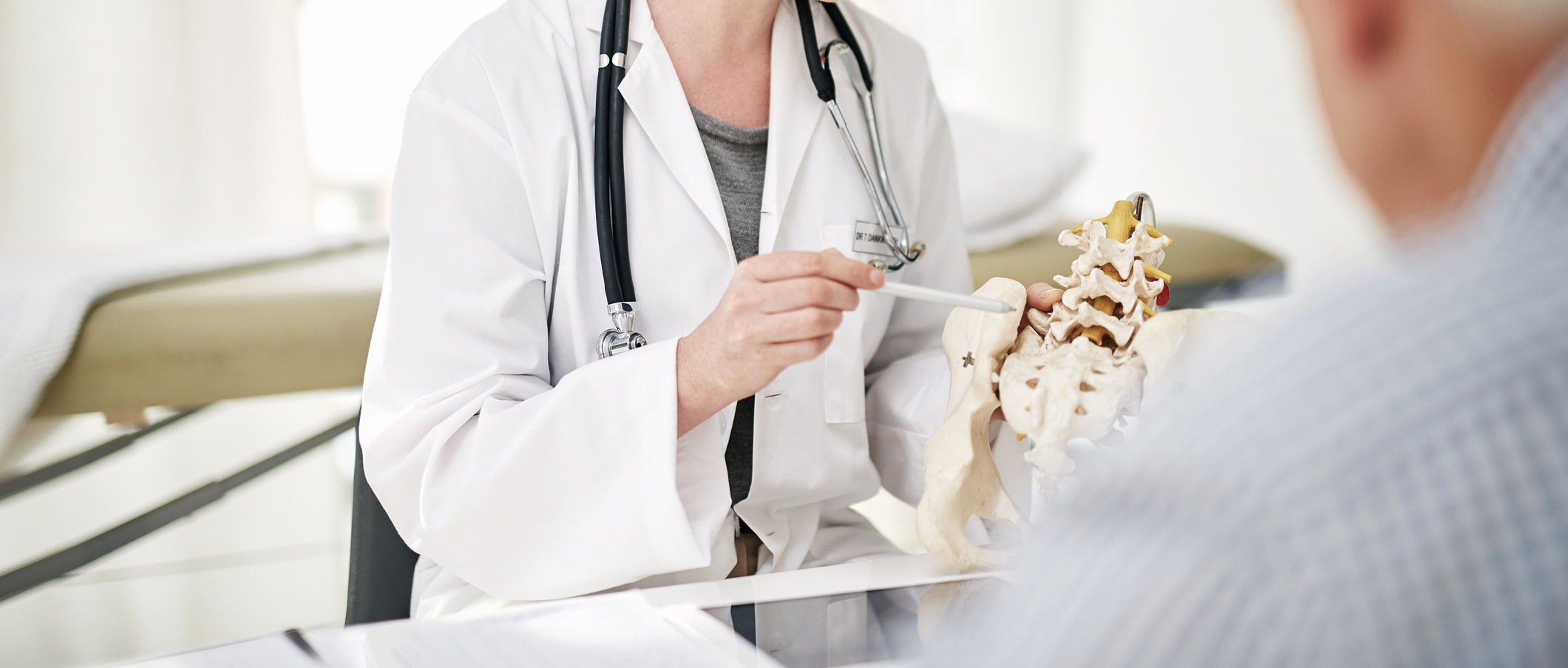
Pourquoi la ménopause peut causer l'ostéoporose
Revu par Dr Hayley Willacy, FRCGP Dernière mise à jour par Dr Sarah JarvisDernière mise à jour 18 Oct 2017
Respecte les directives éditoriales
- TéléchargerTélécharger
- Partager
- Language
- Discussion
- Version audio
- Ajouter aux sources préférées sur Google
Osteoporosis, or thinning of the bones, is sometimes called the ‘silent epidemic’. It’s very common but you may not know you have it until you break a bone. A mode de vie sain can help avoid it, but you need to know if you’re at risk.
Inscrivez-vous à notre cours gratuit de 10 semaines sur la ménopause !
Chaque semaine, nous explorerons différents sujets pour vous aider à mieux comprendre et naviguer dans votre parcours ménopausique, y compris le THS, l'alimentation, l'exercice et la santé mentale.
En vous abonnant, vous acceptez notre Politique de confidentialité. Vous pouvez vous désabonner à tout moment. Nous ne vendons jamais vos données.
How does this happen?
We all know bones are the hardest bits of our bodies, and that they make up our skeleton – the framework the rest of our bodies are built around. But did you know that bone doesn’t just sit there? It’s constantly being reabsorbed by the body and rebuilt. Once you’re 40, your bone starts to become less dense as the rate bone is made is exceeded by the rate it’s reabsorbed.
Stats and facts
After the ménopause, this process speeds up, meaning women are at much higher risk than men. In fact, 1 in 3 women, and 1 in 5 men over 50 will break a bone because of osteoporosis. The bones you’re most likely to break are your wrist, hip and bones in your spine. Your spine bones can collapse – a so-called 'crush fracture'. This can give rise to chronic pain, but your upper spine can also become hunched over with a ‘dowager’s hump’.
Clearly this causes pain and misery for sufferers, as well as threatening independence. But it’s also a huge financial burden – by 2025, it’s estimated thinning of the bones will cost the NHS £2.2 billion.
What do women worry about?
A recent survey on bone health in women over 45 very much reflects what my patients tell me about their own concerns. More than 2 in 5 women worries about getting frail or weak as they get older and the same number think they should take better care of their health. Half feel they should take their health more seriously, but aren’t doing anything about it. Nearly the same number find it hard to stay physically active.
A whopping 86% worry about losing their independence as they get older. But protecting yourself against osteoporosis could very much stack the odds in your favour.
Why does it happen?
Osteoporosis often runs in families, so having a family history of hip fracture or osteoporosis means you're at risk of it yourself. While men do get osteoporosis, women are at much higher risk. This is partly because while both men and women start to lose bone density with age, men tend to have much higher bone density to begin with. That means they start from a higher base and have more bone density to lose.
After the menopause, levels of the female hormone oestrogen drop in women. This hormone helps protect your bones, so women's bone density falls faster than men's once they lose this protection. Going through the menopause before the age of 45 makes osteoporosis more of a concern, because your oestrogen levels drop sooner than average. Being underweight can affect your calcium absorption, and drops your oestrogen levels if you're a woman.
Steroid tablets can affect the amount of calcium you absorb from your gut and lose through your kidneys, making you more prone to osteoporosis. They're often given in conditions like polyarthrite rhumatoïde (where you may be physically inactive, which also increases your risk) and maladie de Crohn (where your body may also not be absorbing calcium effectively). Smoking poisons your bones and alcohol stops your body making new bone efficiently.
Seek out the medical help you need
If you’ve broken a bone after a minor injury – such as a fall from standing height or lower – your GP should arrange a bone density scan.This quick and painless investigation can show if you have osteoporosis or an early version of bone thinning called osteopenia. If you have risk factors for osteoporosis, your doctor might suggest a bone scan even if you haven’t broken a bone.
If you’re found to have osteoporosis, your doctor may recommend a regular tablet to reduce further bone thinning. Most of these tablets can be taken once a week, but they have to be taken in a particular way – your pharmacist will advise you.
How can I help myself?
Getting enough calcium in your diet is important for strong bones, whether you have osteoporosis or not. After the menopause, you should ideally increase your calcium intake. Along with any dairy products, tinned fish with bones and green leafy vegetables like spinach, provide calcium. If you can’t get enough in your diet, your doctor may recommend a supplement. Everyone should take a vitamin D supplement of 10 micrograms a day in winter. If you have osteoporosis, you should take it all year round.
Weight bearing exercise is key to preventing osteoporosis. Regular exercise will also keep your muscles strong and improve your balance. This cuts the risk of falls and broken bones. Any kind of weight bearing or resistance exercise works (swimming and cycling don’t count). Brisk walking, dancing, tennis or even discovering your inner child and skipping will all help – but do make sure you don’t put yourself at risk of a fall.
Sélections des patients pour Ostéoporose
Os, articulations et muscles
Produit chimique trouvé dans le savon et le dentifrice lié à l'ostéoporose
New research shows a link between a chemical used in some soaps, toothpastes and antibacterial products, and osteoporosis.
par Milly Evans
Os, articulations et muscles
Quels sont les meilleurs exercices pour l'ostéoporose ?
La question de l'exercice avec l'ostéoporose peut sans aucun doute être compliquée. D'une part, l'activité physique est bénéfique pour renforcer les os, mais certains exercices peuvent exposer certaines personnes à un risque de fracture. En conséquence, la confusion tend à régner - combien d'exercice les personnes atteintes d'ostéoporose devraient-elles faire et quels types sont sûrs ?
par Abi Millar
Questions fréquemment posées
What is the difference between osteoporosis and osteopenia?
Osteopenia is an early stage of bone thinning, while osteoporosis indicates that your bones have become significantly less dense and are more prone to breaking.
How do steroid tablets contribute to osteoporosis, and which conditions are they commonly prescribed for?
Steroid tablets can increase your risk of osteoporosis by affecting how much calcium your gut absorbs and how much your kidneys lose. They are often prescribed for conditions like rheumatoid arthritis and Crohn's disease.
Are there any specific lifestyle habits that can negatively impact bone health?
Yes, smoking can directly harm your bones, and consuming alcohol can prevent your body from efficiently making new bone.
If I am found to have osteoporosis, what kind of treatment might my doctor recommend?
If you are diagnosed with osteoporosis, your doctor might suggest taking a regular tablet to help slow down further bone thinning. These tablets often need to be taken in a specific way, and your pharmacist can provide guidance on this.
À propos de l'auteurVoir la biographie complète

Dr Sarah Jarvis
Consultant Clinique
MA (Cantab), BM, BCh (Oxon), DRCOG, FRCGP, MBE
Après avoir suivi une formation en médecine à Cambridge et Oxford, le Dr Sarah Jarvis MBE est devenue médecin généraliste.
À propos du critiqueVoir la biographie complète

Dr Hayley Willacy, FRCGP
Médecin généraliste, Auteur médical
MBChB (1992), DRCOG, DFFP, MRCOG (Part 1) MRCGP (2007), DFSRH (2013), MSc - medical education (2020)
Le Dr Hayley Willacy était médecin généraliste au NHS travaillant dans le nord-ouest de l'Angleterre, qui a pris sa retraite de la pratique clinique en 2022 après 30 ans.
Historique de l'article
Les informations sur cette page sont examinées par des cliniciens qualifiés.
Article également disponible en Anglais, Allemand, Espagnol, Français, Italien, Portugais, Hindi, Hébreu, Arabe, and Suédois.
18 Oct 2017 | Dernière version

Demandez, partagez, connectez-vous.
Parcourez les discussions, posez des questions et partagez vos expériences sur des centaines de sujets de santé.

Vous ne vous sentez pas bien ?
Évaluez vos symptômes en ligne gratuitement
Inscrivez-vous à la newsletter Patient
Votre dose hebdomadaire de conseils de santé clairs et fiables - rédigés pour vous aider à vous sentir informé, confiant et maître de la situation.
En vous abonnant, vous acceptez notre Politique de confidentialité. Vous pouvez vous désabonner à tout moment. Nous ne vendons jamais vos données.
Plus sur les os, les articulations et les muscles
- 10 sources de protéines végétales pour la santé des os
- Les compléments pour les douleurs articulaires valent-ils votre argent ?
- Meilleurs exercices pour vos articulations
- Le temps hivernal peut-il aggraver les douleurs articulaires ?
- Mis à jourComment développer ses muscles avec un régime végétalien
- Craquer ses articulations est-il dangereux ?
- La course est-elle mauvaise pour vos genoux ?
- Douleur au genou et vidéos d'exercices
- Remèdes naturels pour soulager les douleurs articulaires
- Faire les courses au supermarché pour des aliments qui aident les articulations raides et douloureuses
- Les raisons les plus probables de votre douleur musculaire
- Vidéo : Exercices de récupération après une prothèse du genou
- Qu'est-ce que la sarcopénie ?
- De quels fournitures avez-vous besoin pour une trousse de premiers secours sportive ?
- Quand devriez-vous vous inquiéter de la douleur au cou ?
- Quand commencer à s'inquiéter pour vos os et l'ostéoporose
- Pourquoi une alimentation saine pourrait être mauvaise pour vos os
- Santé des femmes dans le sport : blessures, menstruation et maternité