
Are dance workouts good for keeping fit?
Peer reviewed by Dr Krishna Vakharia, MRCGPLast updated by Lydia SmithLast updated 20 Sept 2023
Meets Patient’s editorial guidelines
- DownloadDownload
- Share
- Language
- Discussion
- Audio Version
- Add to preferred sources on Google
Finding an activity you enjoy is key when it comes to staying active - and dancing is a great way to get fit and have fun at the same time. And with Strictly Come Dancing back on our screens again, there's no better time to join in.
Is dancing a good workout?
Strictly Come Dancing is back on our screens and providing the nation with dance inspiration, but dance fitness is nothing new. Aerobic dance workouts became popular in the 1970s and 1980s and since the early 2000s, Zumba has become a pop culture phenomenon.
A dance session isn't just fun, it's good for you too - and it doesn't matter if you have two left feet. "Dance workouts provide an excellent cardiovascular challenge and can be tailored to your ability and fitness level," says certified personal trainer Rachel MacPherson.
"When it comes to exercise, consistency is critical, and to stay consistent, you need motivation," she says. "If you enjoy your workout, you are much more likely to stick with it for the long term. Dancing is a fun and joyful activity that also provides the benefits you'd expect from cardiovascular work, such as improved heart health, reduced risk of type 2 diabetes1, better sleep, reduced stress, and better weight control."
Different dance workouts have different benefits. For example, barre - a type of exercise that incorporates strength and cardio with ballet movements - aims to improve muscular strength, tone and flexibility. Research suggests Zumba classes, a form of Latin-themed aerobic dance, supports both good physical and mental health2.
Why dance workouts are good for mental health
It's no secret that exercise is good for our psychological well-being. Being active triggers the release of feel good endorphins which help to alleviate stress and boost our mood. However, studies suggest dancing supports our brain health and mood in a number of specific ways.
Research indicates dance can increase the number of cells in the brain's hippocampus, the region of the brain responsible for long and short-term memory3.
Dancing also engages several brain areas and promotes neuroplasticity, the brain's ability to change and adapt4. Even a single dance session has been shown to decrease tension and depression, while boosting energy5.
Dance interventions have been found to be effective in improving the quality of life in people with Parkinson's disease6 and Alzheimer's disease7.
Is there a risk of injury with dance workouts?
As with any exercise class, there is always a risk of injury. "The injury risk with dance workouts is trying to do too much too soon," says MacPherson.
"Ensure you stick to basic moves and don't twist or jar your joints. You may need to rest a day in between particularly vigorous dance workouts," she says. "But overall, dancing is a low-risk activity that you can adjust to suit your ability and needs."
Are dance workouts suitable for everyone?
There are many different dance workouts to suit all abilities. Often, fitness classes such as Zumba or Barre have separate classes for beginners. Zumba Gold is a lower-intensity version of the typical Zumba class, which may be suitable for older participants.
"If you are in a wheelchair or have limited mobility, you can move your body in a way that feels good for you," says MacPherson.
You can also build up your dance fitness routines as you gain strength and confidence. "For those who need more challenge, you can incorporate body weight or weighted resistance moves into your dancing workout with squats, lunges, jumps, and more," MacPherson says.
"You could even consider holding light weights to work your arms and shoulders. Just be very careful with your movements and don't swing or twist yourself out of proper form."
How to find a dance class near you
Most gyms and community centres host dance-based fitness classes. Some schools and universities offer pay-as-you-go exercise classes for the general public too, which don't require a gym membership.
You can also start dancing from the comfort of your own home by searching for fitness classes on YouTube.
Further reading
Texiera-Machado et al: Dance for neuroplasticity: A descriptive systematic review
Rokka et al: The Role of the Intensity of Exercise on Mood in Dance Aerobic
Lewis et al: Mood changes following social dance sessions in people with Parkinson’s disease
Ruiz-Muelle et al: Dance for People with Alzheimer's Disease: A Systematic Review
Patient picks for Exercise and physical activity
Healthy living
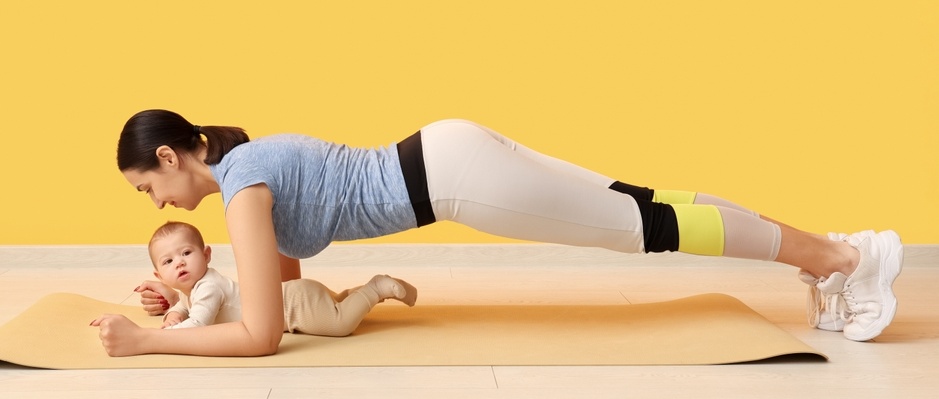
How to get back into exercise after having a baby
If you're pregnant, or recently gave birth, you might be wondering when you can start exercising again, particularly if you were previously a regular gym-goer. However, it's important that you venture back into exercise slowly and safely. It's also good to know the top safe postpartum exercises for your core and rebuilding strength.
by Lawrence Higgins

Healthy living
How poor posture impacts more than just your back
These days, being stuck at a desk all day isn’t just a habit - it's basically part of the job for a lot of people. Between our professional lives and the digital entertainment that fills our downtime, we are increasingly pulled into stationary, hunched positions. This environment makes the simple act of maintaining good posture a constant struggle. A physiotherapist explains exactly how poor posture impacts your wellbeing and offers simple, actionable tips to help you lead a happier, healthier life.
by Victoria Raw
About the authorView full bio

Lydia Smith
Feature writer
BA, MA, MSc
Lydia Smith is an award-winning journalist and feature writer who has written extensively on women's health and mental health. She is currently studying for an MSc in psychology.
About the reviewerView full bio

Dr Krishna Vakharia, MRCGP
Chief Medical Officer for Health, Optum UK
MBChB, MRCGP(2013), BMedSci (hons), DFSRH, DRCOG, PGDipDerm (Distn)
Dr Krishna Vakharia is an NHS GP. She is also a regular examiner for the postgraduate Diploma in Practical Dermatology at Cardiff University as well as being the Chief Medical Officer for health at Optum UK.
Article history
The information on this page is peer reviewed by qualified clinicians.
Article also available in English, German, Spanish, French, Italian, Portuguese, Hindi, Hebrew, Arabic, and Swedish.
20 Sept 2023 | Latest version
25 Oct 2022 | Originally published
Authored by:
Lydia Smith
Join the conversation
Share your thoughts or experiences with others in our patient communities.

Ask, share, connect.
Browse discussions, ask questions, and share experiences across hundreds of health topics.

Feeling unwell?
Assess your symptoms online for free
Sign up to the Patient newsletter
Your weekly dose of clear, trustworthy health advice - written to help you feel informed, confident and in control.
By subscribing you accept our Privacy Policy. You can unsubscribe at any time. We never sell your data.
More in healthy living
- Are e-cigarettes a safe way to quit smoking?
- Do you need more sleep in winter?
- Domestic abuse survivors more likely to develop serious mental illness
- Have a healthy, happy Father's Day
- How does Wegovy work for weight loss?
- How peer support can help boost your mental health
- How to become more flexible
- How to embrace fitness after 50
- How to get back into exercise after having a baby
- How to spot the signs of an exercise addiction
- How to stop smoking
- How to talk to your partner about a sexual problem
- Is the term 'wellness' problematic?
- More evidence that social media is associated with teenage depression
- Problems caused by being underweight
- Telling current and past partners about your STI
- The best ways to quit smoking for good
- What harm can conversion therapy cause and why isn't it banned?
- What is polyphasic or biphasic sleep, and is it good for you?
- What is the difference between mental health and mental illness?