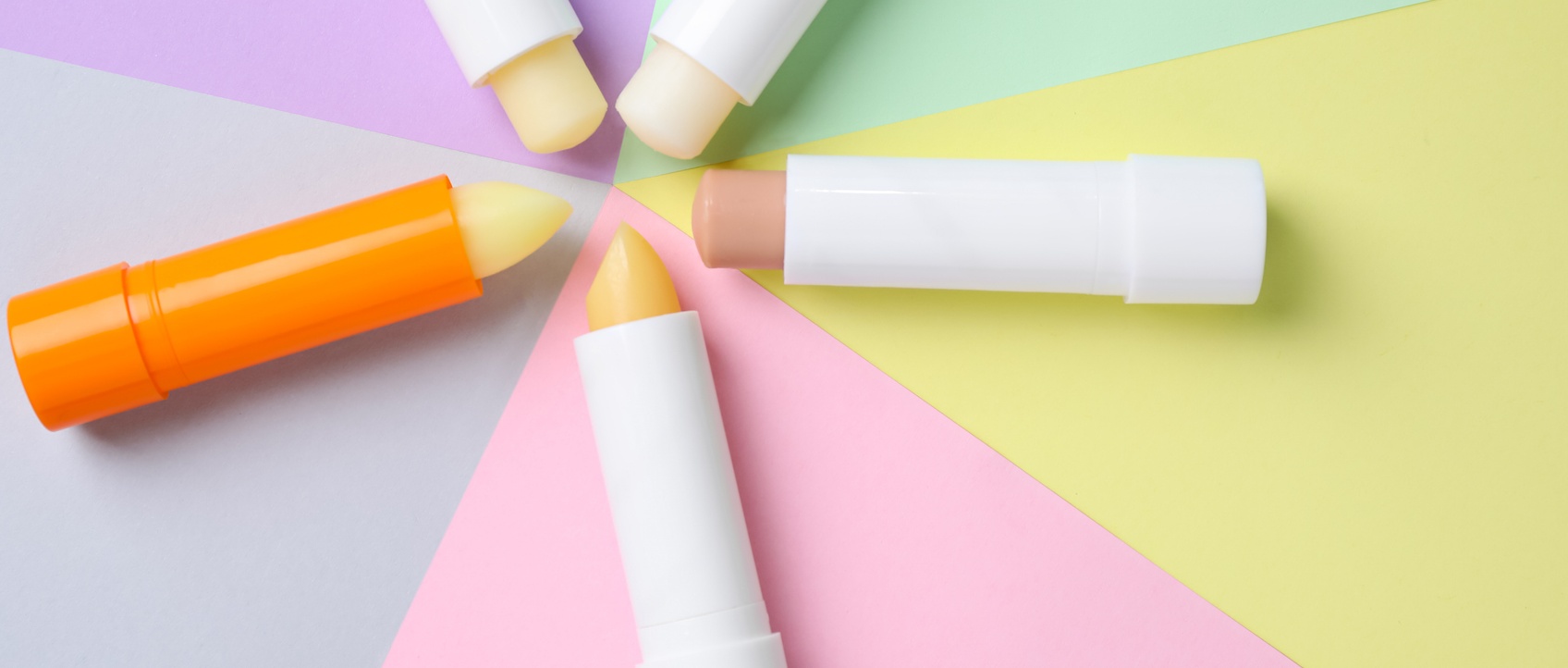
Comment prendre soin des lèvres gercées cet hiver
Revu par Dr Colin Tidy, MRCGPDernière mise à jour par Victoria RawDernière mise à jour 16 oct. 2025
Respecte les directives éditoriales
- TéléchargerTélécharger
- Partager
- Language
- Discussion
- Version audio
- Ajouter aux sources préférées sur Google
Les mois d'hiver peuvent faire des ravages sur nos lèvres, les laissant sèches, gercées et douloureuses. Alors pourquoi cette période de l'année provoque-t-elle des lèvres gercées - et y a-t-il quelque chose que nous puissions faire pour les prévenir ?
Why do we get chapped lips?
The skin on our lips has three to five cellular layers, compared to typical facial skin, which has up to 16 layers. The lips also lack the oil glands found in other parts of the skin. Therefore, as the weather gets colder and there is less humidity, the outdoor air combined with the indoor central heating can dehydrate our skin and cause lips to crack, peel and bleed - a condition known as cheilitis simplex.
Dermatologist Dr Anton Alexandroff explains: "Cold and windy météo can have negative effects on our skin. The winter weather can strip it of moisture, causing the skin to become dry, chapped and prone to flaking.
"Our lips are particularly vulnerable to this, as they are so often exposed to the elements. The skin is also thinner here, than on other parts of our body."
What else can cause chapped lips in winter?
The weather isn't always the cause of sore lips, however. Daniel Glass, Consultant Dermatologist, The Dermatology Clinic, London says that chapped lips can be caused by a number of factors - such as eczéma ou contact allergic dermatitis.
"Sometimes infections such as candida or staphylococcus can cause inflammation of the corner of the lips - as can de fer ou vitamin B deficiency," he explains. "The initial infection with the herpes or virus de l'herpès labial can result in eroded, scaly skin on the lips."
Maladie cœliaque can also lead to inflammation of the corners of the mouth, which can be mistaken for chapping. Certain drugs can cause dry chapped lips - most commonly retinoids, such as isotretinoin used in acne treatment. If you already struggle with dry lips, cold and wintry weather can make the issue worse.
How to treat chapped lips
Dr Alexandroff says you should moisturise your lips regularly, reapplying throughout the day and before bed.
He adds: "It's also important to make sure that you stay hydrated by drinking plenty of water."
Dry lips can also be helped by gentle exfoliation to ensure you are removing any dry flaky skin from the surface of your lips. Although this won't address the problem, it may help to reduce the scale sitting on the surface of the lips.
Small lifestyle changes may also reduce your chance of developing chapped lips:
Wash your hands before applying lip balm.
Resist the urge to pick or bite any flaky skin - doing so can slow down the healing process.
Avoid licking dry or cracked lips - this can make them more sore.
Bear in mind that some foods may irritate sore lips - such as spicy meals.
Wear a scarf over your mouth to protect the delicate skin on your lips - if going out into the wind and cold.
If you forget your balm while out with friends, don't share theirs - as tempting as it might be, this can spread germs.
Check the ingredients in your lip balm
Although many of us tend to have a range of different lip balms stashed away in our coat pockets, bags, and bedside tables, it's important to make sure you are using the right balm to avoid making your lips more sore.
Dr Daron Seukeran, Group Medical Director for the skincare clinic group sk:n explains: "There can be ingredients in some lip balms that may cause eczematous dermatite which can affect the lips and the skin surrounding the lips."
Some lip balms contain ingredients that can potentially cause an allergic reaction.
Ceux-ci incluent :
Propolis.
Lanolin.
Coconut oil.
Almond oil.
Huile de menthe poivrée.
Vitamin E.
These ingredients can also make the lips drier:
Menthol phenol.
Acide salicylique.
To combat dry lips, look out for ingredients to help lock in moisture:
Occlusive.
Emollient.
Humectant.
"The best advice is to keep it simple," says Seukeran. "Many people like using a nice smelling or tasting lip balm, but it is best to use a non-fragranced lip balm as a moisturiser which also contains a sun protection ingredient."
Professor Vishal Madan, Clinical Director, Everything Skin Clinic, UK says bland emollients such as Vaseline can be good, as the likelihood of allergies with these are rare. He also advises looking out for hypoallergenic balms.
"The most important thing when purchasing a lip balm is to make sure that it works for you," he says. "If your lips burn, sting, or feel uncomfortable when you apply a product to your lips, it is irritating your lips. If this is the case, you should stop using this product and try another one."
When to visit your doctor or pharmacist for chapped lips
You should seek medical help if your lips are hot, painful, red and swollen - as it could be a sign of infection. If the chapping is very severe or doesn't heal, it may be a sign of another issue, so it's worth having it checked by a doctor or skin specialist.
If you have a small, fluid-filled blister on your lip or around your mouth, you may have a bouton de fièvre. Cold sores should start to heal within 10 days, but are contagious and may be irritating or painful while they heal. Antiviral creams and patches are available from your pharmacist.
Sélections des patients pour Oral health

Traitement et médicaments
Les exercices faciaux sont-ils bénéfiques pour le sommeil, la parole et la santé bucco-dentaire ?
Myofunctional therapy is like a workout for your face and mouth. It's said it can help ease conditions such as sleep apnoea, swallowing difficulties and jaw misalignment. We look at what this therapy entails and hear some expert thoughts on whether it works or not.
par Victoria Raw
Soin bucco-dentaire
Ce que vos dents révèlent sur votre santé
La plupart d'entre nous connaissent l'importance de prendre soin de nos dents. Se brosser les dents deux fois par jour, utiliser du fil dentaire et maintenir une bonne hygiène dentaire peuvent aider à garder notre sourire éclatant, avec peu de besoin de soins dentaires coûteux. Mais saviez-vous que les problèmes dentaires peuvent également indiquer des problèmes dans le reste du corps ?
par Lynn Stephen
À propos de l'auteurVoir la biographie complète

Lydia Smith
Rédacteur de reportages
Licence, Master, MSc
Lydia Smith est une journaliste primée et rédactrice spécialisée qui a beaucoup écrit sur la santé des femmes et la santé mentale. Elle prépare actuellement un MSc en psychologie.
À propos du critiqueVoir la biographie complète

Dr Colin Tidy, MRCGP
Médecin généraliste, Auteur médical
MBBS, MRCGP, MRCP (Paediatrics), DCH
Le Dr Colin Tidy est un médecin du NHS, basé dans l'Oxfordshire.
Historique de l'article
Les informations sur cette page sont examinées par des cliniciens qualifiés.
Article également disponible en Anglais, Allemand, Espagnol, Français, Italien, Portugais, Hindi, Hébreu, Arabe, and Suédois.
Prochaine révision prévue : 15 oct. 2028
16 oct. 2025 | Dernière version
18 déc. 2023 | Publié à l'origine
Écrit par :
Lydia Smith

Demandez, partagez, connectez-vous.
Parcourez les discussions, posez des questions et partagez vos expériences sur des centaines de sujets de santé.

Vous ne vous sentez pas bien ?
Évaluez vos symptômes en ligne gratuitement
Inscrivez-vous à la newsletter Patient
Votre dose hebdomadaire de conseils de santé clairs et fiables - rédigés pour vous aider à vous sentir informé, confiant et maître de la situation.
En vous abonnant, vous acceptez notre Politique de confidentialité. Vous pouvez vous désabonner à tout moment. Nous ne vendons jamais vos données.
Plus en soins bucco-dentaires
- Le froid peut-il déclencher des boutons de fièvre ?
- Inégalité dentaire : qu'est-ce que c'est et pourquoi existe-t-elle ?
- Comment brosser et prendre soin des dents de votre enfant
- Comment protéger les dents de votre enfant
- Mis à jourComment repérer les signes du cancer de la bouche
- Comment vos dents peuvent affecter votre estime de soi
- Le blanchiment des dents est-il sûr ?
- Votre bouche vous rend-elle malade ? Comment la maladie des gencives affecte plus que vos dents
- Devriez-vous nettoyer votre langue tous les jours ?
- Faits surprenants que tout le monde devrait connaître sur les boutons de fièvre
- Les meilleurs en-cas pour des dents saines
- La raison pour laquelle vos gencives saignent
- Les raisons de votre mauvaise haleine
- Le guide ultime du fil dentaire
- Choses que vous ne savez peut-être pas sur la dysplasie cléidocrânienne
- Signes d'alerte indiquant que vous devez consulter un dentiste
- Qu'est-ce qui cause une bosse sur la langue ?
- Quelles sont les causes des aphtes et comment les traiter
- Qu'est-ce qu'un sourire prosecco ? Conseils pour protéger vos dents à Noël
- Que faire lorsque vous sentez un bouton de fièvre apparaître