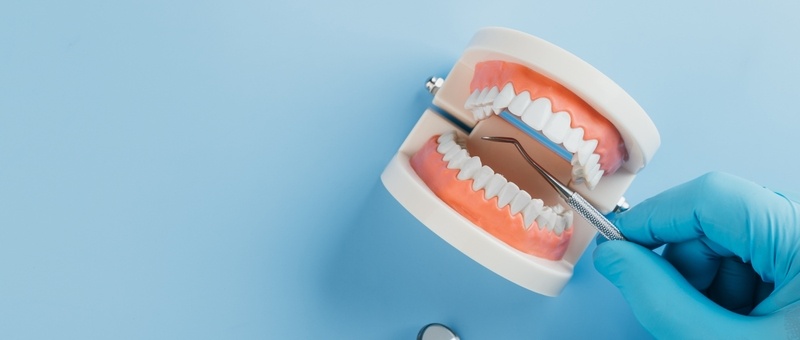
Is your mouth making you sick? How gum disease impacts more than just your teeth
Peer reviewed by Dr Colin Tidy, MRCGPAuthored by Victoria RawOriginally published 12 Nov 2025
Meets Patient’s editorial guidelines
- DownloadDownload
- Share
- Language
- Discussion
- Audio Version
- Add to preferred sources on Google
Looking after your oral health isn’t just about keeping your teeth in place. An unhealthy mouth can affect your whole body. Poor oral hygiene - in particular gum disease - has been linked to other serious conditions and can even make existing health issues worse.
What is gum disease?
Gum disease occurs when your gums become inflamed, sore, or swollen, and it can arise for various reasons.
If you notice any of these symptoms, you may have gum disease:
Bleeding gums when brushing, flossing, or eating hard foods.
Red, swollen, or tender gums.
Persistent bad breath or an unpleasant taste in your mouth.
Gums that are receding or pulling away from your teeth.
Teeth that feel loose or may eventually fall out.
Meet our experts

What causes long-term gum disease?
Gum disease can develop due to several factors, including plaque buildup, genetics, diet, and lifestyle habits.
Dr Maria Ryan, Executive Vice President and Chief Clinical Officer of Colgate-Palmolive says that bacteria, and the toxins they produce, can trigger periodontal diseases such as gingivitis - a reversible form of gum disease. However, in some people, this inflammatory response can progress to periodontitis, where bone and soft tissue loss lead to the formation of pockets around your teeth.
Ryan explains that your genetics may increase your chance of developing periodontitis.
However, certain lifestyle habits can also raise this chance, including:
Excessive alcohol consumption.
Poor oral hygiene.
You may also be more vulnerable to gum disease if you have specific medical conditions or take certain medicines, such as:
Diabetes.
Osteopenia or osteoporosis.
Obesity.
Use of calcium channel blockers or proton pump inhibitors.
Negative health effects of gum disease
Beyond tooth loss, untreated gum disease can lead to more serious health consequences that everyone should be aware of.
Dr Kami Hoss, dentist, orthodontist, founder and CEO of SuperMouth, warns that untreated gum disease isn’t just about losing teeth. He explains that it creates a long-term inflammatory burden that can harm your blood vessels, organs, and even your DNA.
“When gums bleed, bacteria and inflammatory molecules can reach your bloodstream and keep your immune system constantly activated,” says the San Diego-based oral health expert. “This process damages
blood vessel linings, fuels oxidative stress, and accelerates cellular ageing.
“Over time, this long-term inflammation contributes to cardiovascular disease, diabetes, and
cognitive decline. It damages mitochondria, disrupts immune regulation, and shortens telomeres - the protective caps on our DNA that determine how cells age. Gum disease is a hidden accelerant of whole-body ageing.”
Ryan reiterates that, if left untreated, gum disease can create a persistent cycle of infection and long-term inflammation.
“The bacteria from the mouth can enter the bloodstream, and have been detected in various parts of the body, including foetal cord blood and amniotic fluid in pregnant people,” she explains. “This can increase the chance of preterm birth.”
Preterm birth is when a baby is born before 37 weeks of pregnancy.
The importance of a healthy oral microbiome
A healthy oral microbiome contains billions of microorganisms, including hundreds of bacterial types that coexist in harmony. These helpful microbes maintain proper pH, safeguard enamel, and keep your immune system balanced.
Hoss explains that when the oral environment is disrupted - by sugar damage, low pH, poor oral hygiene, or overuse of antiseptics - this delicate balance can break down.
“Disease-causing bacteria, such as Porphyromonas gingivalis and Fusobacterium nucleatum, release toxins that harm tissues and overstimulate your immune system,” he explains. “Once dysbiosis sets in, the resulting inflammation and microbial byproducts can travel through your saliva, bloodstream, and even your gut, affecting your overall health.
“A healthy mouth is a balanced ecosystem where saliva, the microbiome, and the immune system work together to keep tissues strong and inflammation under control. Saliva stays slightly alkaline, enamel is sealed, gums fit snugly around the teeth, and beneficial bacteria dominate. When this balance is intact, the body naturally heals from everyday irritation.”
Which diseases are linked to poor oral health?
If your gum disease progresses to periodontitis, it can raise your chances of developing several serious health conditions.
Hoss highlights the ones with the strongest evidence linking them to periodontal disease:
Cardiovascular disease - bacteria and inflammatory molecules from the mouth can damage artery walls and promote plaque buildup, increasing your vulnerability to heart attack and stroke.
Type 2 diabetes - long-term periodontal inflammation can worsen insulin resistance, while elevated blood sugar encourages bacterial growth and slows healing.
Alzheimer’s disease - oral pathogens and their toxins have been found in brain tissue, where they may drive inflammation and oxidative stress that harm neurons.
Ryan notes that while periodontal disease has been linked to all of the conditions mentioned, its strongest connection is with type 2 diabetes. She explains that this relationship is complex and goes both ways.
She says: “People with uncontrolled diabetes are vulnerable to long-term complications, such as cardiovascular disease, and face a higher likelihood of death from heart attacks or kidney disease, including nephropathy that may require dialysis. They also have an increased chance of developing eye conditions, such as retinopathy - a leading cause of blindness - and neuropathy, which can cause loss of sensation in the extremities. This loss of feeling can lead to non-healing ulcers in the legs and feet.
“However, most people don't know that periodontal disease is another long-term complication of diabetes, leading to tooth loss and also increasing a diabetic person's susceptibility to developing other long-term complications such as cardiovascular disease, nephropathy, and mortality.”
How to prevent gum disease
The best way to protect your oral health - including preventing tooth decay, cavities, and periodontal disease - is to maintain excellent oral hygiene.
Brush often, and brush well
When it comes to good oral hygiene, the biggest thing that really matters is how often - and how well - you brush your teeth.
Ryan explains that brushing your teeth twice a day for two minutes with a toothpaste containing active ingredients such as fluoride has been shown to help prevent gingivitis - the early stage of gum disease. For children and adults who are more prone to cavities, fluoride mouth rinses and prescription-strength fluoride toothpaste can provide extra protection.
“Floss at least once a day to get between those teeth where much of the plaque accumulates and disease often occurs,” she says. “Brushing technique is also important. The use of powered brushes can also be helpful, especially for those with manual dexterity problems. Brush with a manual brush at a 45-degree angle to your gumline with a circular motion.”
Hoss adds that mechanical cleaning remains the foundation of oral health, but how we clean is just as important as how often.
He says: “The goal is to remove plaque thoroughly and gently, protecting both enamel and gum tissue."
Choose your mouthwash wisely
Using a fluoride mouthwash can also help support the management of gum disease.
Ryan says that alcohol-free mouthwashes are ideal for getting to spots that your toothbrush can't quite reach.
Hoss explains that the smarter approach to maintaining oral health is to create balance rather than destroy it.
“Products should keep the mouth slightly alkaline, support beneficial bacteria, and strengthen enamel rather than strip it away,” he warns. “Traditional mouthwashes that eliminate '99 percent of germs' can disrupt your microbiome and reduce the mouth’s ability to regulate itself. That disturbance often allows acid-producing or inflammation-driven microbes to repopulate quickly.”
He recommends using oral care products that contain or combine the following ingredients:
Biocompatible minerals - such as nano-hydroxyapatite.
Nutrients - including vitamins D3 and K2.
Prebiotic ingredients - to support a healthy oral microbiome.
Can you test for gum disease?
If you want more personalised insights into your oral health, there are services - available for a fee - that can test your mouth for active oral diseases. This provides information you won’t typically get during a routine dental appointment.
However, the British Society of Periodontology (BSP) does not currently recommend salivary tests to diagnose or treat gum disease because there isn’t enough evidence to suggest they work.
You can ask your dentist if they offer these tests. However, keep in mind that the results may not always be completely reliable.
How quickly does good oral hygiene pay off?
You may start noticing positive effects in your mouth within just a few days of following the oral hygiene tips above.
Hoss provides a brief timeline of what to expect:
Within a week - gum inflammation starts to ease.
Within two weeks - bleeding and tenderness will reduce.
As your mouth reaches a healthier balance, the positive effects extend beyond your teeth and gums - they also support your overall well-being.
“Healthy gums, strong enamel, and balanced saliva are more than dental goals,” he explains. “They are signs that your body’s inflammatory system is under control and that the processes of ageing are slowing at the cellular level.”
Ryan cautions that it’s still important to keep up with regular dental check-ups - at least once a year - because many health conditions can go unnoticed until they’re advanced without a professional evaluation.
She adds: “In addition, as the bacteria or plaque sit on your teeth for extended periods of time, it can harden and become calculus or tartar. This can no longer be removed with simple home hygiene and requires professional removal.”
Patient picks for Oral health

Oral and dental care
What causes mouth ulcers and how to treat them
Around one in five of us experience mouth ulcers, and although they may be painful or irritating, they're usually nothing to worry about. We share expert self-care tips to soothe and speed up recovery, as well as advice on when a mouth ulcer could be a symptom of something more serious.
by Amberley Davis

Treatment and medication
Are facial workouts good for sleep, speech and oral health?
Myofunctional therapy is like a workout for your face and mouth. It's said it can help ease conditions such as sleep apnoea, swallowing difficulties and jaw misalignment. We look at what this therapy entails and hear some expert thoughts on whether it works or not.
by Victoria Raw
About the authorView full bio
Authored by

Victoria Raw
Feature Writer
BA (Hons), English Literature
Victoria is a content writer at Patient, with special interests spanning mental wellbeing, societal trends and the impact of technology on our health.
About the reviewerView full bio

Dr Colin Tidy, MRCGP
General Practitioner, Medical Author
MBBS, MRCGP, MRCP (Paediatrics), DCH
Dr Colin Tidy is an NHS Doctor, based in Oxfordshire.
Article history
Article also available in English, German, Spanish, French, Italian, Portuguese, Hindi, Hebrew, Arabic, and Swedish.
Next review due: 13 Nov 2028
12 Nov 2025 | Originally published
Authored by:
Victoria RawPeer reviewed by
Dr Colin Tidy, MRCGP
Join the conversation
Share your thoughts or experiences with others in our patient communities.

Ask, share, connect.
Browse discussions, ask questions, and share experiences across hundreds of health topics.

Feeling unwell?
Assess your symptoms online for free
Sign up to the Patient newsletter
Your weekly dose of clear, trustworthy health advice - written to help you feel informed, confident and in control.
By subscribing you accept our Privacy Policy. You can unsubscribe at any time. We never sell your data.