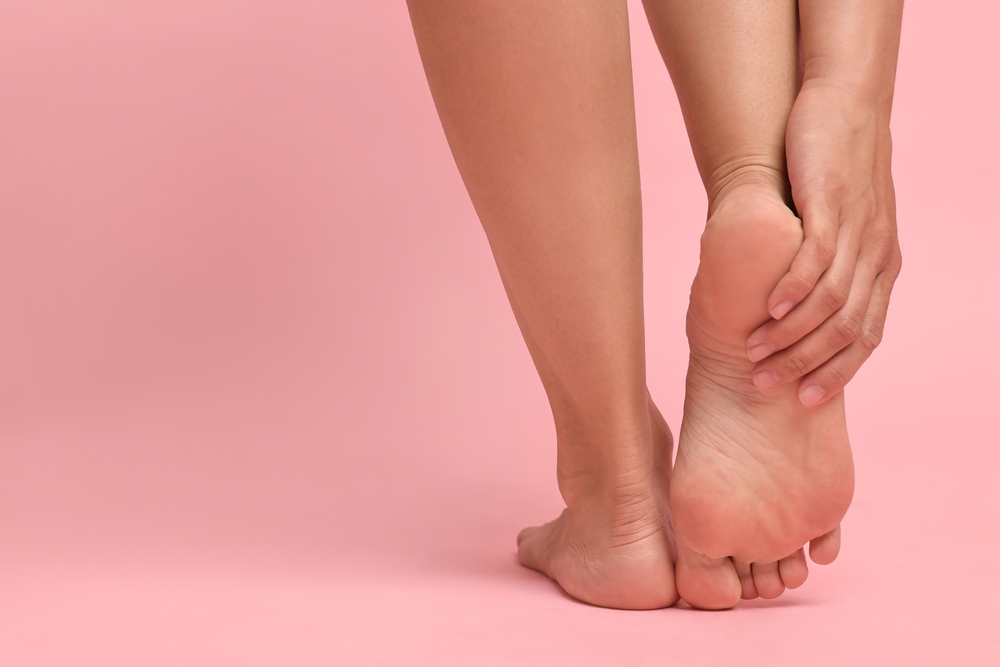
Qu'est-ce qui cause votre douleur au pied ?
Revu par Dr Colin Tidy, MRCGPDernière mise à jour par Josh AldermanDernière mise à jour 11 juin 2026
Respecte les directives éditoriales
- TéléchargerTélécharger
- Partager
- Language
- Discussion
- Version audio
- Ajouter aux sources préférées sur Google
From stabbing heel pain first thing in the morning to burning sensations in the ball of the foot, the way your foot hurts can reveal a lot about what's going on underneath.
Understanding these symptoms can make it easier to identify the most likely causes of foot pain and decide whether treatment may be needed.
What causes foot pain?
Foot pain can be caused by injury, overuse, inflammation, structural issues, nerve conditions, arthritis, infections, and skin disorders. The exact cause often depends on where the pain occurs and what activities make it worse.
Here are the most common causes, grouped by where people usually feel symptoms.
Symptôme | Possible cause |
Pain with first steps in the morning | Fasciite plantaire |
Pain at back of heel after exercise | Tendinopathie d'Achille |
Burning or tingling in ball of foot | Névrome de Morton |
Sudden red, swollen big toe | Goutte |
Pebble-like feeling in shoe | Metatarsalgia or Morton's neuroma |
Pain after increasing activity | Stress fracture |
Cracked, itchy skin between toes | Pied d'athlète |
Heel pain causes
Heel pain is one of the most common foot problems, and it often develops gradually. Below are some of the most common causes of heel pain.
Fasciite plantaire
This is the most common cause of heel pain. It typically feels worse with your first steps in the morning or after rest, then eases as you move around.
Fasciite plantaire happens when the thick band of tissue under your foot becomes irritated.
It’s often linked with:
Long periods on your feet.
A sudden increase in activity.
Unsupportive footwear.
Tight calf muscles.
Although often felt in the heel, this condition can also cause aching through the arch.
Tendinopathie d'Achille
Pain at the back of your heel, particularly during or after activity, may be due to irritation of the Achilles tendon. It’s more common in runners or people who have recently increased their exercise levels.
Arch pain causes
The arch acts like a natural shock absorber, so discomfort here can have several causes. Arch pain can arise from several factors.
Pieds plats
Some people have low or collapsed arches, which can lead to aching, tired feet - especially after standing or walking for long periods.
High arches
High arches can place increased stress on the foot, leading to pain in the arch, heel, or ball of the foot, particularly during activity.
Tendon strain
The tendons supporting the arch can become irritated with overuse, leading to a dull, persistent ache.
Ball of foot pain causes
This is the area just behind your toes, and it takes a lot of pressure when you walk or run. The following are all typical reasons you may feel pain in the ball of your foot.
Métatarsalgie
This is a general term for pain and inflammation in the ball of the foot. It often feels like you’re walking on a bruised or pebble-like surface.
It may be linked to:
High-impact activity.
Foot shape.
Unsupportive shoes.
Increased body weight.
This involves thickening around a nerve between the toes. It can cause burning pain, tingling, or the feeling of standing on a small stone in your shoe.
Toe pain causes
Toe pain is often easy to localise and can have several distinct causes. Let's take a look at what often causes toe pain.
Hallux valgus
Des bunion is a bony lump that develops at the base of the big toe. Over time, the joint becomes misaligned and the toe may lean inwards. They often run in families, but tight footwear can make symptoms worse.
Common features include:
A visible bump on the side of the foot.
Soreness around the big toe joint.
Difficulty finding comfortable shoes.
This happens when the edge of the nail grows into the surrounding skin, leading to pain, redness, and sometimes infection. It’s often linked to cutting nails too short or rounding the edges.
Goutte
Goutte can cause sudden, severe pain in the big toe, often with redness, swelling, and warmth. It’s caused by a build-up of uric acid crystals in the joint and can come on very quickly.
Top of foot pain causes
Pain across the top of your foot is often linked to overuse or repetitive strain. Here's a quick guide to what's often behind pain at the top of your foot.
Stress fracture
Small cracks in the bones of the foot can develop after repeated impact, particularly in runners or people who have recently increased their activity.
Tendon irritation
The tendons that lift the foot can become inflamed, causing pain that worsens with movement or activity.
Skin-related foot pain causes
Not all foot pain comes from joints or bones - skin conditions can also be uncomfortable.
Pied d'athlète
Ceci est un infection fongique that often affects the skin between your toes. Pied d'athlète thrives in warm, moist environments such as sweaty shoes.
It can cause:
Itching or burning.
Flaky or cracked skin.
Soreness between the toes.
Other common causes of foot pain
Arthrite - arthritis can affect the joints in the foot and ankle, causing pain, stiffness, swelling, and reduced movement.
Entorses et foulures - injuries to the ligaments, muscles, or tendons can lead to pain, swelling, bruising, and difficulty walking.
Nerve-related pain - irritated or compressed nerves may cause burning, tingling, numbness, or shooting pain in different parts of the foot.
Footwear-related pain - tight, unsupportive, or worn-out shoes can place extra stress on the feet and contribute to discomfort.
Diabetes-related foot problems - diabetes can cause foot pain through nerve damage, circulation issues, or an increased chance of infection.
Pain on the side of the foot - pain along the inner or outer edge of your foot may be linked to tendon injuries, ligament sprains, stress fractures, or joint problems.
When to see a doctor for foot pain
Most foot pain improves with rest and simple self-care, but you should get medical advice if:
You cannot put weight on your foot.
Pain is severe or worsening.
There is significant swelling or bruising.
Symptoms don’t improve after a few weeks.
You suspect a broken bone.
You have diabète and develop foot pain or skin changes.
There is numbness, tingling, or weakness.
There are signs of infection (redness, heat, pus, or fever).
How to prevent foot pain
Small changes can often make a big difference to foot comfort.
You can help prevent or ease foot pain by:
Wearing well-fitting, supportive shoes.
Avoiding prolonged use of tight or unsupportive footwear.
Keeping feet clean and dry.
Increasing activity levels gradually.
Cutting toenails straight across.
Maintaining a healthy weight where possible.
Résumé
Foot pain is often manageable once the cause is identified. Paying attention to where the pain is, how it feels, and when it appears can help point you in the right direction and ensure you get the right treatment if you need it.
Sélections des patients pour Problèmes de pieds

Soin des pieds
Vos pieds sentent-ils plus mauvais en hiver ?
Pensez-vous que les pieds malodorants ne sont un souci que pendant les mois chauds ? Détrompez-vous. Mais si vous avez remarqué une odeur embarrassante provenant de vos chaussettes et chaussures, il y a plein de choses que vous pouvez essayer.
par Natalie Healey
Soin des pieds
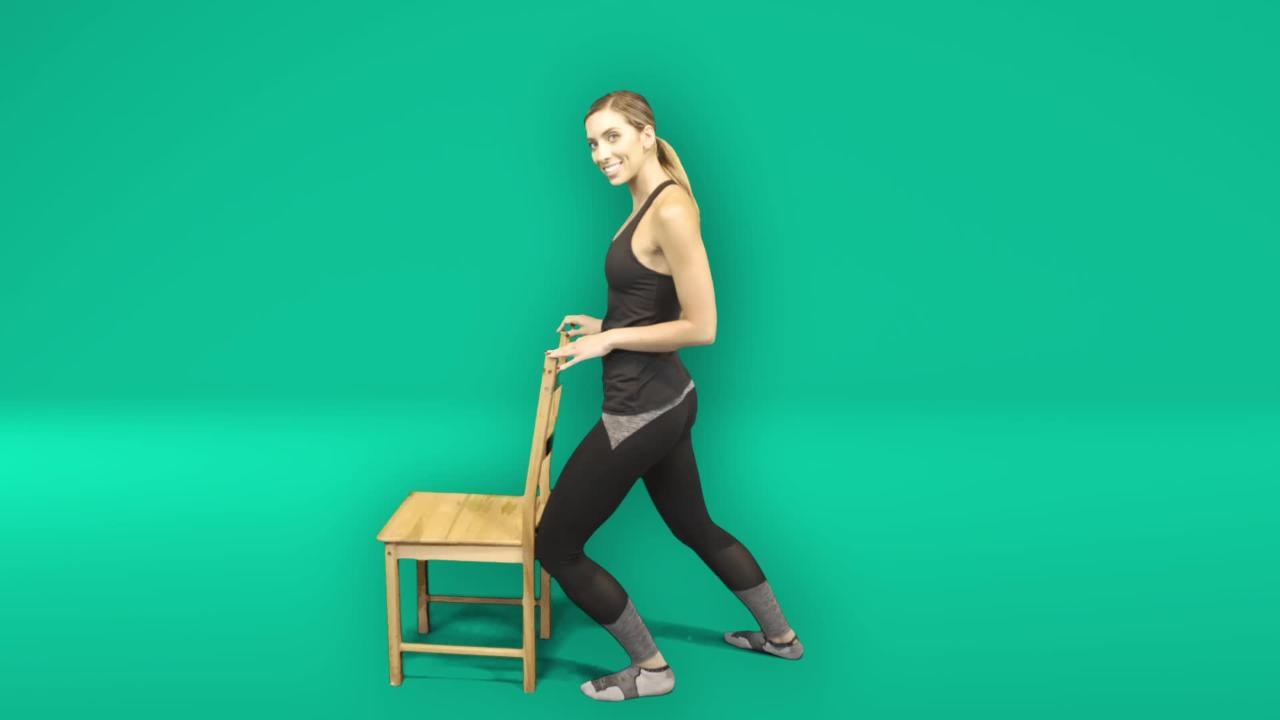
Vidéo : Exercices pour la douleur au pied
There are two main aims of physiotherapy for plantar fasciitis. The first is to control inflammation; the second is to stretch the muscles and connective tissue in the calf. Symptoms of plantar fasciitis are often brought on or made worse by tightening of these tissues. These exercises should take about 15 minutes a day. Once your symptoms are controlled it's worth getting into the habit of doing them once or twice a day to reduce the risk of symptoms coming back.
par Lilly Sabri, MHPC
Questions fréquemment posées
Can my choice of shoes make my bunion worse?
Yes, tight footwear can exacerbate the symptoms of bunions, making them more uncomfortable. Bunions often have a genetic component, but unsuitable shoes can worsen their presentation.
How can I tell the difference between metatarsalgia and Morton's neuroma?
Metatarsalgia presents as a general pain and inflammation in the ball of the foot, often described as walking on a bruised surface or a pebble. Morton's neuroma is more specific, involving a thickened nerve between the toes, causing burning pain, tingling, or the sensation of standing on a small stone.
What's the best way to cut my toenails to avoid problems?
To help prevent issues like ingrown toenails, it's best to cut your toenails straight across, rather than rounding the edges. This prevents the nail from growing into the surrounding skin.
À propos de l'auteurVoir la biographie complète

Dr Sarah Jarvis
Consultant Clinique
MA (Cantab), BM, BCh (Oxon), DRCOG, FRCGP, MBE
Après avoir suivi une formation en médecine à Cambridge et Oxford, le Dr Sarah Jarvis MBE est devenue médecin généraliste.
À propos du critiqueVoir la biographie complète

Dr Colin Tidy, MRCGP
Médecin généraliste, Auteur médical
MBBS, MRCGP, MRCP (Paediatrics), DCH
Le Dr Colin Tidy est un médecin du NHS, basé dans l'Oxfordshire.
Historique de l'article
Les informations sur cette page sont examinées par des cliniciens qualifiés.
Article également disponible en Anglais, Allemand, Espagnol, Français, Italien, Portugais, Hindi, Hébreu, Arabe, and Suédois.
Next review due: 10 Jun 2029
11 juin 2026 | Dernière version
12 Mar 2018 | Publié à l'origine
Écrit par :
Dr Sarah Jarvis

Demandez, partagez, connectez-vous.
Parcourez les discussions, posez des questions et partagez vos expériences sur des centaines de sujets de santé.

Vous ne vous sentez pas bien ?
Évaluez vos symptômes en ligne gratuitement
Inscrivez-vous à la newsletter Patient
Votre dose hebdomadaire de conseils de santé clairs et fiables - rédigés pour vous aider à vous sentir informé, confiant et maître de la situation.
En vous abonnant, vous acceptez notre Politique de confidentialité. Vous pouvez vous désabonner à tout moment. Nous ne vendons jamais vos données.
Plus de soins des pieds
- Anatomie du pied
- Vos pieds sentent-ils plus mauvais en hiver ?
- Comment trouver les chaussures de course parfaites pour vos pieds
- Comment garder vos pieds en bonne santé cet été
- Comment garder vos pieds sans problème
- Comment empêcher votre enfant d'attraper une verrue plantaire
- Fasciite plantaire : comment soulager la douleur et trouver le bon traitement
- Signes indiquant que vous devez consulter un podologue
- Conseils pour prévenir les blessures courantes du pied
- Vidéo : Exercices pour la douleur au pied
- Options de traitement des verrues et verrues plantaires
- Ce que c'est vraiment de vivre avec la goutte
- Ce que vos chaussures peuvent vous dire sur vos pieds
- Qu'est-ce qui cause vos mains et pieds froids ?
- Pourquoi prendre soin de vos pieds est si important si vous êtes diabétique
- Erreurs de soins des pieds en hiver à éviter