Is it safe for everyone to take probiotics?
Peer reviewed by Dr Sarah JarvisLast updated by Kerry Taylor-SmithLast updated 23 Jan 2019
Meets Patient’s editorial guidelines
- DownloadDownload
- Share
- Language
- Discussion
- Audio Version
- Add to preferred sources on Google
The health claims surrounding probiotics are numerous - it is believed these micro-organisms can relieve irritable bowel syndrome, decrease the incidence of colds and allergies, and even aid weight loss. But is there any substance to these assertions - do probiotics really work and should we all be taking them?
The concept of probiotics and prebiotics was first introduced in 1995. Since then, the market has steadily grown to around $45 billion in 2017, with people taking probiotics in the form of yoghurts, smoothies or supplements - all potential sources of good bacteria - to improve their general health and well-being, or to avoid illness or disease. These 'friendly bacteria' are believed to help the body's naturally occurring gut flora - the complex community of micro-organisms in our digestive tracts - and boost their numbers, leading to 'better' health.
"Probiotics are live bacteria that can survive the acid environment of the stomach and then increase the number of good bacteria in the gut," says nutritional therapist Berta Corbera from Probio7.
Probiotic bacteria work in the colon and are often recommended for gut-related problems such as diarrhoea or irritable bowel syndrome (IBS), or following a course of antibiotics that has left the patient constipated.
But research also suggests that our gut microbiome may be thrown off balance by a number of factors including medication use, excess alcohol, stress and poor sleep, or disease. In such cases, the 'good bacteria' that work well within our bodies may decrease in number, which allows harmful competitors to thrive, causing ill health. These 'bad' bacteria have been linked with several conditions including obesity, heart disease, allergies, and cancer.
But what does the evidence say?
"There is evidence to suggest that probiotics work to restore the balance of bacteria in the gut, which is particularly useful if it has been disrupted by illness or medication such as antibiotics," says Alastair Windsor, Consultant Colorectal Surgeon at the London Digestive Centre, part of HCA UK.
"This is usually because the microbiome in the gut is unbalanced and needs support from the good bacteria. Interestingly, there is a lot of evidence that people who experience IBS and suffer from regular wind and bloating, will find their symptoms improved after taking a good-quality high-dose probiotic."
"There is good evidence that some probiotics are helpful in preventing diarrhoea caused by infections and antibiotics and in improving symptoms of IBS, but more needs to be learned, as probiotics are not all alike," adds Corbera.
For instance, a comparison of eight probiotics showed that only three reached the large bowel, where most of our gut microbiome is situated, and were able to multiply there successfully.
Research published in Cell in 2018 found that many people are in fact resistant to any effect from probiotics. Researchers found the gut microbiome of many study subjects was unaltered during the period in which they consumed probiotics, with most actually passing right through the body, suggesting that probiotics might not be suitable for everyone.
The placebo problem
While many healthy people are convinced that probiotics work for them - taking them to improve their general health, to relieve bloating or to prevent disease - there is very little high-quality evidence to suggest this is true, with the placebo effect perhaps playing a role.
"There is very little evidence to suggest that probiotics provide any benefit to healthy people," says Windsor. "I do not advise for everyone to take probiotics as there is not enough research to support the benefit on healthy individuals. However, those suffering with gut-related conditions like IBS or inflammatory bowel disease (IBD), or people who experience frequent stomach bugs, or illnesses where they have to take medication like antibiotics, could benefit from taking probiotics."
In summary, while the market for probiotics is huge, these supplements probably aren't worth spending money on if you're not suffering from a digestive health issue. Much more research is needed to substantiate the impressive claims surrounding them.
Patient picks for Vitamins and supplements

Diet and nutrition
Can probiotics treat obesity and diabetes?
It can take some big lifestyle changes to look after your health when you have obesity or diabetes. But what if probiotics can support your journey to healthy weight loss, lower cholesterol levels, and improve insulin sensitivity and blood sugar management?
by Victoria Raw
Diet and nutrition
10 everyday foods high in vitamin D
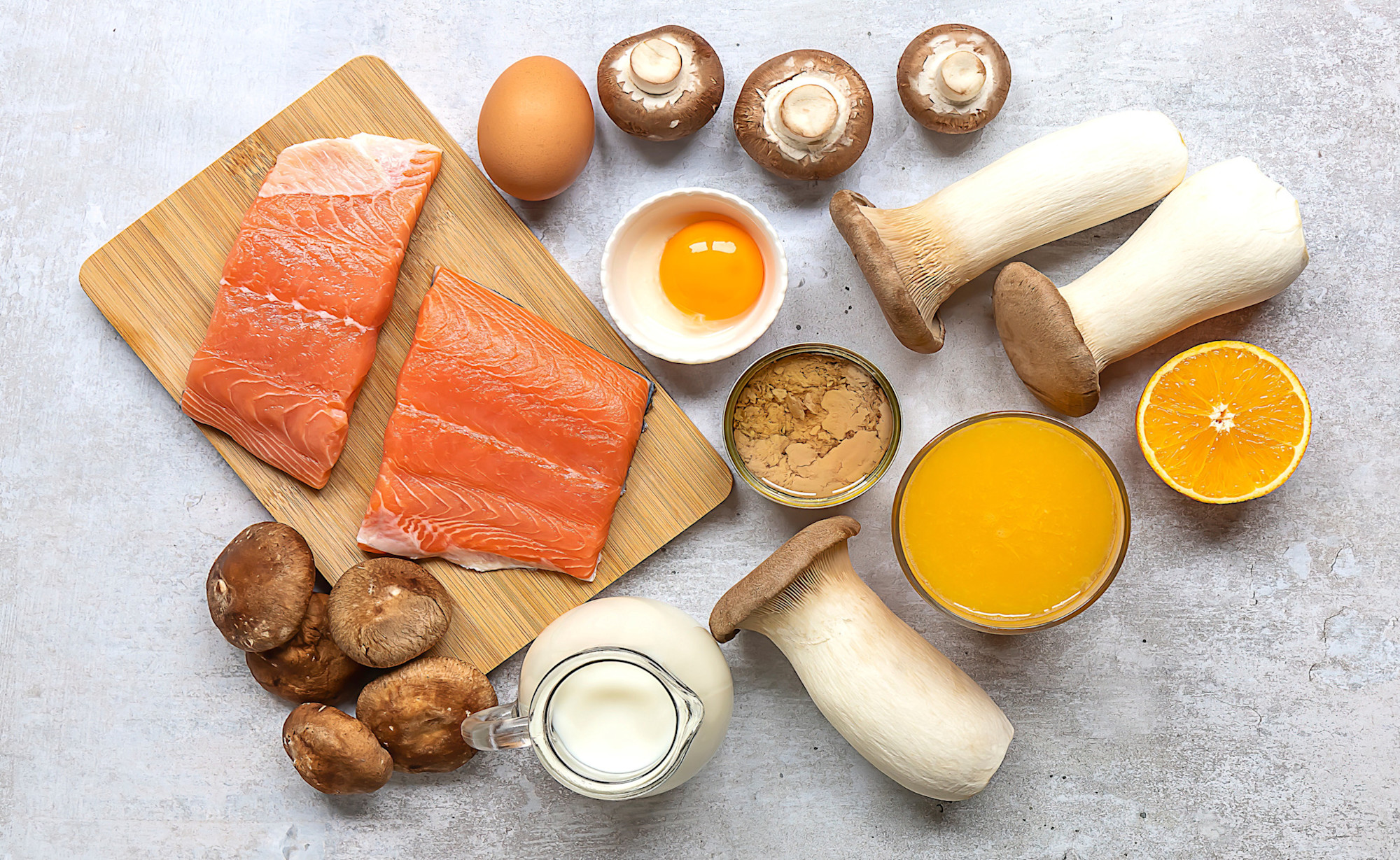
Vitamin D plays an essential role in bone health, immunity, and mood, yet many people in the UK don’t get enough, especially during the darker months. While sunlight is the main source, certain foods can also help to boost your levels naturally. In this article, we explore vitamin D foods you might not expect and how to include them in your diet.
by Josh Alderman
About the authorView full bio

Kerry Taylor-Smith
Freelance journalist
BSc (Hons) Natural Sciences
Kerry has been a freelance writer, editor and proofreader since 2016; she specialises in science and health-related topics.
About the reviewerView full bio

Dr Sarah Jarvis
Clinical Consultant
MA (Cantab), BM, BCh (Oxon), DRCOG, FRCGP, MBE
After training in medicine at Cambridge and Oxford, Dr Sarah Jarvis MBE became a GP.
Article history
The information on this page is peer reviewed by qualified clinicians.
Article also available in English, German, Spanish, French, Italian, Portuguese, Hindi, Hebrew, Arabic, and Swedish.
23 Jan 2019 | Latest version
Join the conversation
Share your thoughts or experiences with others in our patient communities.

Ask, share, connect.
Browse discussions, ask questions, and share experiences across hundreds of health topics.

Feeling unwell?
Assess your symptoms online for free
Sign up to the Patient newsletter
Your weekly dose of clear, trustworthy health advice - written to help you feel informed, confident and in control.
By subscribing you accept our Privacy Policy. You can unsubscribe at any time. We never sell your data.
More in diet and nutrition
- 5 quick and healthy meals for students
- Are fermented foods worth the hype?
- Can you lower cholesterol through diet alone?
- Dietitians, nutritionists and nutritional therapists: what is the difference?
- Do New Year's diets actually work?
- Do you really need to give up sugar?
- Do ZMA supplements really work?
- How to avoid iron deficiency
- How to eat healthily on a tight budget
- How to eat well when it's hard to shop and cook
- Is drinking olive oil good for you?
- Is intermittent fasting healthy?
- Most vitamin supplements aren't beneficial for health, study finds
- Our favourite summer recipes
- The link between gut health and happiness
- What are the benefits of a plant-based diet?
- What are the benefits of vitamin E?
- What is the TLC diet and can it improve your heart health?
- What you need to know about unhealthy foods
- What's the link between anxiety and gut health?