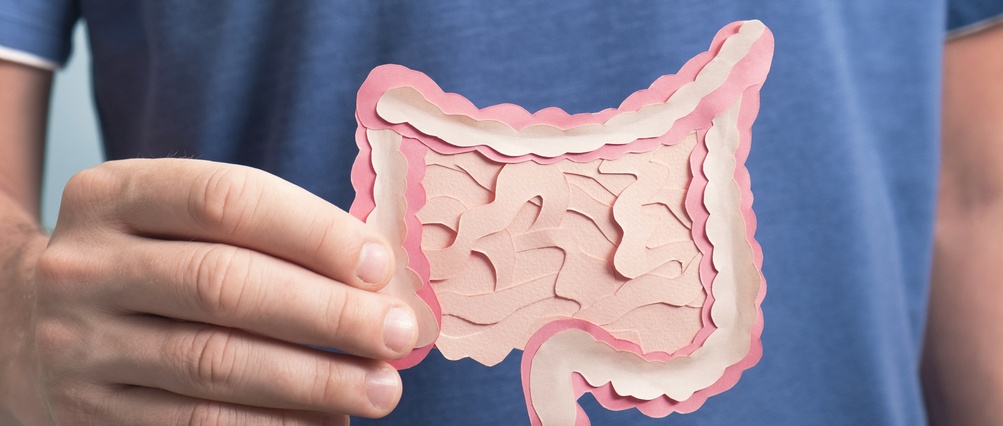
Qu'est-ce que votre microbiome intestinal ?
Revu par Dr Colin Tidy, MRCGPDernière mise à jour par Victoria RawDernière mise à jour 19 Apr 2026
Respecte les directives éditoriales
- TéléchargerTélécharger
- Partager
- Language
- Discussion
- Version audio
- Ajouter aux sources préférées sur Google
Parlons de quelque chose de petit qui a un grand impact sur votre santé - le microbiome intestinal. Cet univers caché de microbes joue un rôle important dans votre bien-être. La façon dont vous traitez ces petits résidents peut faire une grande différence dans votre ressenti.
Qu'est-ce qu'un microbiome ?
The human microbiome is a collection of microorganisms - such as fungi, bacteria and viruses - which live inside their very own ecosystem in various parts of your body. Each part contains a one-of-a-kind network of microbes, working together for the good of your health. These unique little systems are constantly changing and reacting to what you eat, how you exercise and the medicines you take.
Dr Saurabh Chatterjee, Professor of Environmental and Occupational Health, UC Irvine's Program in Public Health, explains that there are trillions of bacteria, viruses and fungi living inside your gut, colonising different areas.
"They each have assigned behaviours and functions that help keep the body healthy," he says.
Microbiome de la peau - lives on the surface of your body, protecting and hydrating your skin.
Oral microbiome - trouvé dans votre bouche, il décompose les aliments et influence l'odeur de l'haleine ainsi que la santé des dents.
Microbiome des voies respiratoires - lives in your nose, throat, and lungs and helps healthy breathing.
Gut microbiome - dans votre ventre, il aide à digérer les aliments, soutient le système immunitaire et combat les bactéries nocives.
Votre microbiome intestinal
The gut microbiome is one of the most talked about microbiomes because of its effect on human health. The microbes in your gut (microbiota) help balance your good and bad bacteria. They break down complex foods such as fibre that your body can't digest by itself, transforming them into short-chain fatty acids (SCFAs) which feed your gut cells. They also make some vitamins - such as vitamin K - and digestive enzymes to help your body function.
Up to 70% of your système immunitaire also lives in your gut. Your gut microbiome plays a major role in immune function, sending messages to your immune cells to ward off harmful organisms (pathogens).
Comment savoir si mon microbiome intestinal est sain ?
Plusieurs facteurs peuvent affecter la santé de votre intestin, y compris le régime alimentaire, la génétique et les antibiotiques. Si les microbes de votre intestin deviennent déséquilibrés, cela peut entraîner des conditions telles que l'obésité, la maladie inflammatoire de l'intestin (MII) et le diabète.
Chatterjee says: "Many diseases such as cancer, IBD, liver disease, and even brain inflammation have been associated with an imbalanced gut microbiome."
Dr David D. Clarke, President, Association for the Treatment of Neuroplastic Symptoms (ATNS), warns that an unhealthy gut microbiome (dysbiosis), can cause digestive issues.
Ceux-ci incluent :
Ballonnements.
Flatulences.
Diarrhée.
Constipation.
Douleur abdominale.
Changes in the gut microbiome have also been associated with weight gain, tiredness, skin conditions, immune dysfunction, food intolerance, and mood disorders.
"These symptoms can be persistent and might fluctuate in intensity," says the board-certified gastroenterologist. "However, in some cases they may be caused by something else, such as past or present life stress."
You can buy a test that analyses your gut health through a sample of your poo. Some diagnose specific issues - such as la maladie inflammatoire de l'intestin (IBD) - while others offer a general gut health picture. However, these tests are fairly new to the market. They are all varied and results can be inconsistent - so check whether they'll give the right information you want as they can be expensive.
Qu'est-ce qui nuit à votre microbiome ?
Antibiotiques
Prendre des antibiotiques peut nuire aux bactéries amicales de votre intestin. Ils peuvent créer un déséquilibre entre les bonnes et les mauvaises bactéries, rendant plus difficile pour votre corps de combattre les infections à long terme.
Dr Pamela Young, Action Rehab, drug detoxification and mental health specialist, explains that antibiotics are sometimes a necessity. However, some aren’t advanced enough to understand the difference between good and bad bacteria.
"Some antibiotics can target the necessary bacteria, but many harm the ones we need to stay healthy," she says.
Chatterjee adds that too many antibiotics can cause your friendly bacteria to build up resistance, meaning they won't work as well. Since you need your good bacteria to stay healthy, you should use antibiotics as they are prescribed and finish the course. You shouldn't overuse antibiotics.
Alcool
Drinking too much alcohol also throws your gut bacteria off balance. It can weaken your gut lining, letting harmful organisms leak out, causing liver inflammation.
Clarke conseille que la consommation excessive d'alcool peut réduire les bactéries amicales telles que Lactobacillus et Bifidobacterium, et augmenter les bactéries nocives comme Proteobacteria.
Stress
Votre intestin communique constamment avec votre cerveau. Il permet au cerveau de contrôler la digestion et la fonction immunitaire dans l'intestin, et aux microbes intestinaux d'influencer le cerveau. Le stress peut perturber cette communication, ce qui peut modifier le mélange de bonnes et mauvaises bactéries dans l'intestin. Cela peut, à son tour, affecter la façon dont le corps réagit au stress.
Clarke says stress can affect the gut ecosystem in two ways. It can increase or decrease the muscle contractions in the gut and lead to changes in the quantity and quality of your nutrition - including alcohol consumption.
"Tous ceux-ci peuvent nuire à l'écosystème intestinal," dit-il.
Does the gut microbiome affect mental health?
Studies have shown there's a two-way street between your gut microbiome and mood. The types of bacteria in your gut may influence your susceptibility to dépression and anxiety. Those with a wider variety of gut bacteria are generally happier and less anxious.1
Dr Raj Dasgupta, Chief Medical Advisor for NCOA explains there is a growing body of research connecting our gut microbiome's state to mental health through what's called the 'gut-brain axis'.
"Imbalances in gut bacteria have been increasingly associated with mental health conditions such as depression and anxiety," he says.
According to Clarke, many chemical messengers that carry signals from nerve to nerve (neurotransmitters) are produced in your gut. This includes serotonin, which plays a key role in mood regulation.
Chatterjee ajoute que des problèmes de santé tels que la démence, l'autisme et des affections telles que Parkinson et Alzheimer ont montré un microbiome intestinal altéré - bien que les études soient en cours.
Comment améliorer le microbiome intestinal
How you treat your gut microbiome is important for digestion, immunity, and your mood. Having a well-balanced and varied diet - along with a healthy lifestyle - is essential for a happy gut and overall wellbeing.
Here are some important ways to keep your gut microbiome thriving.
Fill your plate with prebiotics
Les aliments d'origine végétale tels que les fruits, les légumes, les légumineuses, les grains entiers et les noix sont riches en fibres spéciales appelées prébiotiques. Les prébiotiques sont des glucides non digestibles qui nourrissent vos bonnes bactéries intestinales. En nourrissant ces bonnes bactéries, vous pouvez maintenir l'équilibre de votre intestin.
Dr Lynn Bry, Directrice, Massachusetts Host-Microbiome Centre, déclare : "Vous avez peut-être entendu parler de manger un arc-en-ciel pour inclure divers fruits et légumes - qui contiennent tous des fibres végétales. Un microbiote sain est un microbiote diversifié et qui a accès à des nutriments variés grâce à ce que nous mangeons. Une partie de la raison d'inclure des fibres dans notre alimentation est qu'elles nourrissent notre microbiote intestinal."
Herbes et épices
Whole herbs such as basil, cilantro and mint - along with spices such as black pepper, cumin and ginger - have been shown to have a prebiotic effect on the gut.2
Power up with probiotics
Fermented foods which contain live bacteria and yeasts. Often found in yoghurt and supplements, these microbes can restore balance by feeding the good bacteria in your gut.
Exemples de probiotiques incluent :
Yaourt à cultures vivantes.
Kéfir.
Choucroute.
Kimchi.
Kombucha.
Pickles.
Put aside processed foods
These tend to be low in fibre and filled with unhealthy fats and sugars. This disrupts the balance of good bacteria, which could damage the lining of your gut, causing it to leak. Leaky gut has been linked to inflammation throughout the body, which may contribute to diseases such as diabetes and heart disease.3
Cut back on sugar
Certain foods with too much sugar can fuel the growth of bad bacteria. Chose natural sweeteners and limit your intake of sugary drinks.
Tackle stress and sleep well
Consider relaxation techniques such as yoga, meditation, or deep breathing to manage stress effectively. Getting a good night's sleep can also help balance your gut microbiome.4
Drink plenty of fluids and move your body
Make sure you drink 6-8 glasses of water a day. Keeping your body hydrated helps gut digestion run smoothly, meaning your body can absorb nutrients more efficiently.
Regular physical activity is good for your gut. Exercise improves circulation, which supports your digestive system and growth of good bacteria. For best results, get at least 30 minutes of exercise a day, over five days a week.
Sélections des patients pour la santé intestinale
Régime et nutrition
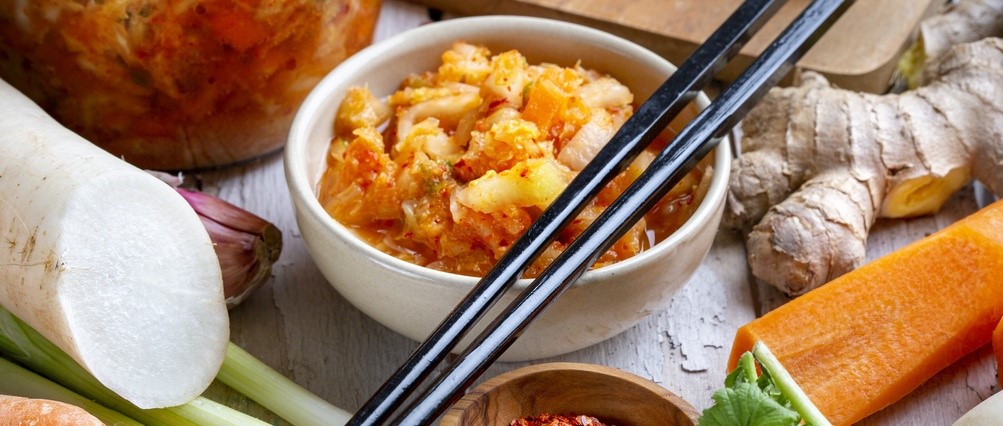
Kimchi et choucroute : Quels sont les bienfaits de la consommation d'aliments fermentés ?
TikTok et Instagram regorgent d'influenceurs qui prétendent que toutes sortes d'aliments sont des superaliments — certains ne sont même pas sains, encore moins super. Mais en ce qui concerne le kimchi et la choucroute, la recherche suggère que ces aliments fermentés pourraient en fait contribuer à un système digestif sain. Mais pourquoi ?
par Amberley Davis
Régime et nutrition
Les probiotiques peuvent-ils traiter l'obésité et le diabète ?
Il peut être nécessaire d'apporter des changements importants à votre mode de vie pour prendre soin de votre santé lorsque vous souffrez d'obésité ou de diabète. Mais que se passerait-il si les probiotiques pouvaient soutenir votre parcours vers une perte de poids saine, réduire les niveaux de cholestérol et améliorer la sensibilité à l'insuline ainsi que la gestion de la glycémie ?
par Victoria Raw
À propos de l'auteurVoir la biographie complète

Victoria Raw
Auteur de chroniques
Licence (Hons), Littérature anglaise
Victoria est rédactrice de contenu chez Patient, avec des intérêts particuliers pour le bien-être mental, les tendances sociétales et l'impact de la technologie sur notre santé.
À propos du critiqueVoir la biographie complète

Dr Colin Tidy, MRCGP
Médecin généraliste, Auteur médical
MBBS, MRCGP, MRCP (Paediatrics), DCH
Le Dr Colin Tidy est un médecin du NHS, basé dans l'Oxfordshire.
Historique de l'article
Les informations sur cette page sont examinées par des cliniciens qualifiés.
Article également disponible en Anglais, Allemand, Espagnol, Français, Italien, Portugais, Hindi, Hébreu, Arabe, and Suédois.
Next review due: 19 Apr 2029
19 Apr 2026 | Dernière version
24 juin 2024 | Publié à l'origine
Écrit par :
Victoria Raw

Demandez, partagez, connectez-vous.
Parcourez les discussions, posez des questions et partagez vos expériences sur des centaines de sujets de santé.

Vous ne vous sentez pas bien ?
Évaluez vos symptômes en ligne gratuitement
Inscrivez-vous à la newsletter Patient
Votre dose hebdomadaire de conseils de santé clairs et fiables - rédigés pour vous aider à vous sentir informé, confiant et maître de la situation.
En vous abonnant, vous acceptez notre Politique de confidentialité. Vous pouvez vous désabonner à tout moment. Nous ne vendons jamais vos données.
Plus sur l'alimentation et la nutrition
- 7 aliments riches en fer à ajouter à votre régime
- Les graines de citrouille sont-elles bonnes pour vous ?
- Au-delà du raisin : découvrir les bienfaits du resvératrol pour la santé
- Les bébés nés par césarienne ont une flore intestinale différente de ceux nés par voie vaginale
- Changer votre alimentation peut-il améliorer le SPM ?
- Le régime alimentaire peut-il affecter votre TDAH ?
- Les régimes drastiques fonctionnent-ils vraiment pour une perte de poids saine ?
- Le jus d'aloe vera aide-t-il vraiment à la santé intestinale ?
- Régime pour le foie gras : aliments à consommer et à éviter
- Mis à jourComment l'alimentation affecte votre cœur
- Comment bien manger quand il est difficile de faire les courses et de cuisiner
- Comment maintenir une alimentation saine pour votre enfant au collège
- Comment vivre plus longtemps : bonnes habitudes pour une vie saine
- Régime pour le SOPK : Que manger pour gérer les symptômes
- Le régime réductarien : comment manger moins de viande
- Toxicité de la vitamine D : 5 signes que vous en avez pris trop
- Qu'est-ce que l'ashwagandha ? Bienfaits pour la santé, utilisations et effets secondaires
- Qu'est-ce que le fibremaxxing - et est-ce vraiment sain ?
- Qu'est-ce que le régime Volumetrics, et devriez-vous l'essayer ?