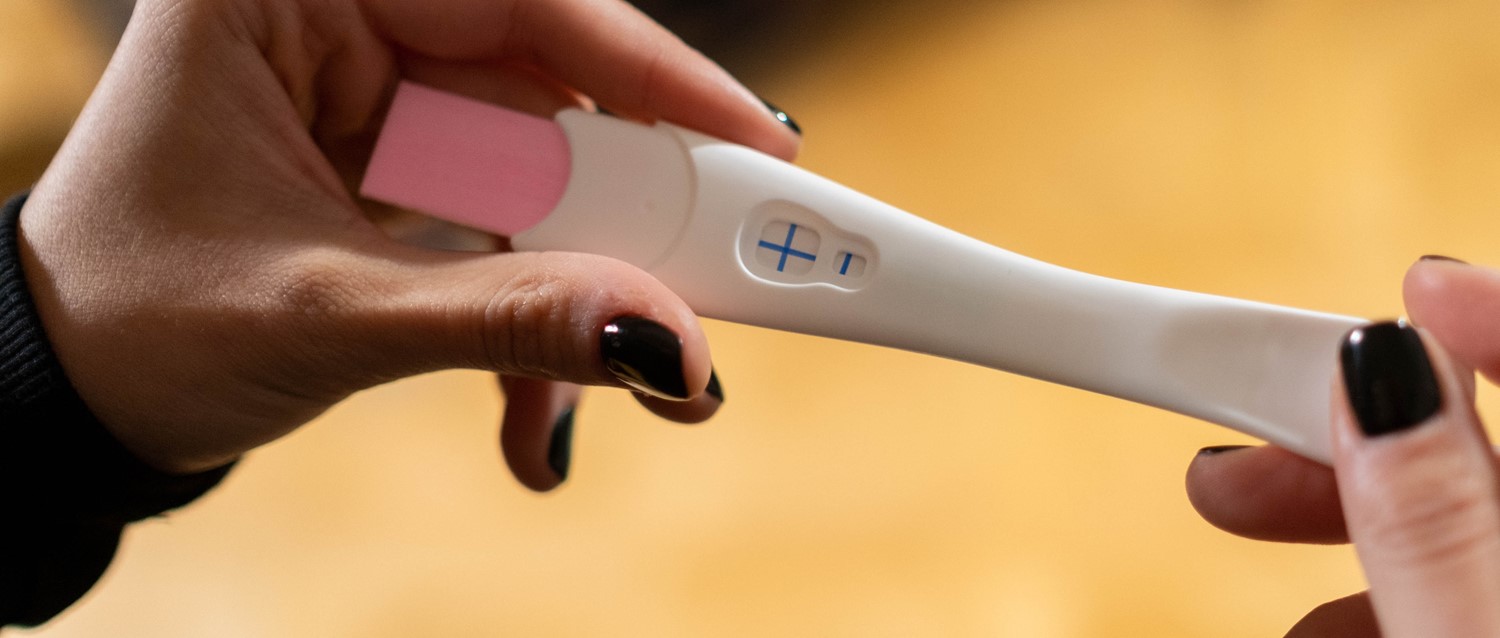
What is the difference between implantation bleeding and a period?
Revu par Dr Sarah Jarvis MBE, FRCGPDernière mise à jour par Lydia SmithDernière mise à jour 1 Nov 2021
Respecte les directives éditoriales
- TéléchargerTélécharger
- Partager
- Language
- Discussion
- Version audio
Trying for a baby and the early days of pregnancy can be a stressful time and you may be on high alerts for signs and symptoms, or wondering whether what is happening to your body is normal. It can be especially anxiety-inducing to experience some spotting if you are trying to conceive. Although it could be a period, it may also be implantation bleeding - a sign of early pregnancy.
Dans cet article:
Sélections de vidéos pour Saignement pendant la grossesse
Continuez à lire ci-dessous
What is implantation bleeding?
When you ovulate, one of your ovaries releases an egg into your Fallopian tubes. If you have unprotected sex up to three days before or within 24 hours of this release, there's a chance that the egg could become fertilised with sperm. Implantation bleeding can occur in very early pregnancy when the fertilised egg attaches to the uterine lining.
"Implantation is when the fertilised egg is embedding into the wall of the womb, which usually happens around the time your period would have been due," explains Amina Hatia, midwifery manager of the UK la grossesse and baby loss charity Tommy's. "Sometimes this leads to very light spotting known as implantation bleeding."
What does implantation bleeding look like?
Retour au sommaireIf you are trying to get enceinte, bleeding can be the sign of a period. However, the colour and quantity of blood seen with implantation bleeding is different from ordinary menstrual blood. You may see it when you wipe after going to the toilet or in your underwear.
"It shouldn't be enough to soak through pads or underwear, and it is light pink or brown rather than very red, and should only last for a day or so," says Hatia.
"Light bleeding without pain is common in early pregnancy - before 12 weeks - so don't panic if you experience this, but always contact your doctor or midwife and get checked out straightaway just to be sure."
Recherche suggests light bleeding happens in 15% to 25% of early pregnancies. Although it can be worrying, Tommy's states that many women who experience vaginal bleeding in the first trimester continue to have a viable pregnancy.
Implantation cramping
Sometimes, you may feel light cramping that feels a little like douleur menstruelle during implantation. Not everyone feels this cramping, and the intensity varies from person to person. Some describe implantation cramping as a dull ache or light twinges, or even a pulling sensation. Like period pain, the sensations can be felt in the lower abdomen and the lower back too.
Every menstrual cycle is a different length and isn't necessarily 28 days long. Therefore, it is difficult to say exactly when your implantation spotting and cramping may occur.
If you notice any spotting or very light bleeding around the date you would have your period and you suspect you might be enceinte, it's important to take a pregnancy test. If you are pregnant, talk to your GP and mention any bleeding you have, just so any other factors can be ruled out.
Continuez à lire ci-dessous
What are the other signs of early pregnancy?
Retour au sommaireIf you have a regular monthly menstrual cycle, the earliest and most reliable sign of pregnancy is a missed period.
Other symptoms of early pregnancy include fatigue, food aversions or cravings, a stronger sense of smell, swollen breasts and nausea, although sickness usually kicks in from between four and six weeks of pregnancy.
What else can cause bleeding in early pregnancy?
Retour au sommaireLight bleeding or spotting in the first 12 weeks of la grossesse can be normal. However, you should speak to your doctor, midwife or Early Pregnancy Unit - at your local hospital - to be checked just in case. Bleeding in pregnancy after the first trimester is not common and you should contact A&E or your hospital maternity unit immediately so you can be examined.
There are a few reasons why you might experience light bleeding or spotting during the first trimester. Grossesse hormones can cause changes to the col de l'utérus, which can sometimes trigger bleeding, particularly after sex. Occasionally, vaginal bleeding can also be caused by an infection, which should be treated quickly.
Continuez à lire ci-dessous
When is bleeding more serious in the first trimester?
Retour au sommaireBleeding can sometimes be a sign of something more serious. It's important to seek urgent medical attention for any vaginal bleeding if you have had a positive pregnancy test. Your doctor will be able to run some simple examinations and tests to rule out anything serious.
Une fausse couche is when a pregnancy ends before 24 weeks and symptoms can include bleeding that is bright red and needs a pad, cramping, or back and stomach pain. According to Tommy's, some women may experience what is known as a 'threatened fausse couche'. This is diagnosed where there is ongoing bleeding with or without pain but the woman is still pregnant.
Une grossesse extra-utérine can also cause bleeding, stomach pain on one side, pain in the tip of the shoulder or discomfort when going to the toilet. This is when a fertilised egg implants outside the womb, usually in the Fallopian tube. This is a medical emergency, and it's especially important to see a doctor urgently if you get one-sided pain at around the same time as bleeding.
Une molar pregnancy is a rare complication in which a fetus doesn't form properly in the womb and a baby doesn't develop. Bleeding, severe morning sickness and an unusually swollen abdomen are all symptoms.
However, it's important to get checked by your doctor or the maternity unit who will be able to confirm if your bleeding is a problem or not.
Sélections de patients pour Saignement pendant la grossesse
Grossesse
Vidéo : Le stress peut-il provoquer une fausse couche ?
Une fausse couche est une période difficile pour tous ceux qui sont impliqués, et vous avez probablement de nombreuses questions sur l'expérience physique et mentale que vous traversez. Nos experts ont rassemblé une série de réponses pour essayer de vous soutenir.
par Dr Sarah Jarvis MBE, FRCGP
Grossesse
Comment l'avortement spontané affecte-t-il les partenaires ?
Pregnancy loss is often a difficult subject for people to talk about, yet our silence leaves many women struggling to find support or recognition of their grief. But partners, too, are going unacknowledged in their struggle after a miscarriage.
par Allie Anderson
Continuez à lire ci-dessous
Historique de l'article
Les informations sur cette page sont examinées par des cliniciens qualifiés.
1 Nov 2021 | Dernière version

Demandez, partagez, connectez-vous.
Parcourez les discussions, posez des questions et partagez vos expériences sur des centaines de sujets de santé.

Vous ne vous sentez pas bien ?
Évaluez vos symptômes en ligne gratuitement
Inscrivez-vous à la newsletter Patient
Votre dose hebdomadaire de conseils de santé clairs et fiables - rédigés pour vous aider à vous sentir informé, confiant et maître de la situation.
En vous abonnant, vous acceptez notre Politique de confidentialité. Vous pouvez vous désabonner à tout moment. Nous ne vendons jamais vos données.