
Signes indiquant que vous pourriez avoir besoin de physiothérapie
Revu par des pairs Dr Sarah JarvisRédigé par Allie AndersonPublié à l'origine 1 Jun 2020
Respecte les directives éditoriales
- TéléchargerTélécharger
- Partager
- Language
- Discussion
- Version audio
- Ajouter aux sources préférées sur Google
Everyone gets aches and pains, whether it's a twinge after exercising or stiff joints caused by arthritis. Whilst most are transitional and temporary and can be remedied with over-the-counter painkillers, some types of pain or limited movement might require assessment and treatment by a physiotherapist.
Qu'est-ce que la physiothérapie ?
Physiothérapie is an area of healthcare focused on assessing and treating people affected by injury, illness or disability, using physical methods like movement, exercise and manual therapy. It takes a holistic approach and considers the person's lifestyle and individual circumstances in order to maintain their health and well-being, prevent disease and manage pain.
Physiotherapists are highly trained and skilled health professionals, many of whom specialise in helping people with different types of conditions, such as:
Cardiovascular - helping to rehabilitate people after a crise cardiaque, par exemple.
Respiratory - helping people with lung diseases like chronic obstructive pulmonary disease (BPCO), asthme et la fibrose kystique.
Neurological - supporting people with conditions like sclérose en plaques (MS) and médicaments pour la maladie de Parkinson disease, and rehabilitation following a AVC.
Most people probably think of physiotherapy as associated with the bones and muscles - conditions such as des douleurs dorsales, sports injuries, l'arthrite, ou rehabilitation after a joint replacement. This is called musculoskeletal physiotherapy, and is the main focus of this article.
According to rheumatology physiotherapist Jack March, there is virtually no limit to the conditions and problems that could potentially benefit from physiotherapy. "Almost all pains, injuries, weaknesses or loss of function - including decreased movement, inability to climb stairs, or twist - can be helped by physiotherapy," he says.
"Some symptoms may require investigation first, although this is uncommon. Examples of this are back pain that radiates into both legs, pains in multiple areas of the body, inability to bear weight or very inflamed joints."
Signes à surveiller
The first sign that you might benefit from seeing a physiotherapist is quite often pain. However, very intense pain doesn't necessarily mean the problem is serious. "The severity of the pain itself is often not an indicator of the severity of the injury and it is not uncommon to get very high levels of pain with very minimal damage to the tissue," Jack comments.
In many cases, whatever the source of the pain it can be treated at home with over-the-counter analgesics like paracétamol, or anti-inflammatories like ibuprofène. However, injuries or other problems that reoccur, deteriorate or persist for several days could signal that seeing a physiotherapist might be beneficial.
It doesn't always mean treatment is needed, but an assessment can help to reassure you there's nothing to worry about, or guide you on what to do next. You can now book remote video physiotherapy assessments and appointments via Patient Access.
"Symptoms such as pain, pins and needles, or loss of sensation, strength or range of motion will also often resolve with time," says Jack. "But if they are impacting on day-to-day tasks or have lasted longer than 14 days, then physiotherapy can be a really good way of speeding up the resolution process or regaining function while the symptoms settle."
He adds that if you feel unstable on your feet, have difficulty walking or experience significantly reduced function in movements like bending, gripping or fine motor tasks, you might need to be assessed more quickly.
Some injuries or conditions warrant seeking more urgent medical attention as they could indicate that something more serious or complex is going on. For example, if you have back pain accompanied by loss of sensation in the genitals or sexual dysfunction, changes in your toilet habits, or pins and needles or numbness in your legs, get in touch with your GP practice as soon as possible. It's important to know the 'red flags' for back pain which mean urgent medical help needs to be sought.
You should also get prompt advice if you have back pain radiating into both legs, pain in different areas of the body, or very inflamed or swollen joints, or if you suddenly have difficulty bearing weight.
Physiotherapy treatment and techniques
After a full investigation and assessment of the problem and symptoms, a physiotherapist can use a range of methods to help.
They typically fall into three main categories:
Éducation.
Movement and exercise.
Manual therapy.
Physiotherapists will look not just at the injury or condition, but also at your lifestyle and circumstances and how any treatment plan will fit around your everyday life, to determine what approach to recommend.
It will inevitably include some form of education - for example, advice on correcting posture if you have back and neck pain, or information about safe levels of activity.
"People often expect that they need other treatments like massage or joint mobilisations, and some therapists also use techniques like acupuncture," Jack comments. "These are sometimes used to try to reduce symptoms in the short term, but most of the time these techniques aren't required.
"Education on the issue - and other factors that can affect upon the pain levels or function - is key. Sommeil, diet, fumer status, activity levels and other habits can have a remarkably high impact on how you adapt to and recover from injuries or pain, and altering these can be highly effective."
Tailored treatment
Any movement and exercise programme will be tailored around a patient's ability and limitations, and aimed at improving function and mobility, as well as reducing pain. Depending on the nature of the injury or condition, it might involve exercising a specific body part to build strength, or movement of the whole body to improve general mobility.
Exercise-based physio can be carried out in water - known as hydrotherapy - with the water providing support and resistance to help recovery.
"Specific exercise programmes are helpful to improve specific symptoms or issues, and this works best if they are designed specifically for the individual around things you enjoy and your ability level," Jack adds. "They can also help to reduce the risk of the injury reoccurring."
Alternatively, or alongside exercise, manual therapy - where a physiotherapist gently uses their hands to manipulate or mobilise parts of the body - can also ease pain and improve mobility of joints and muscles, as well as improving circulation.
Accessing physiotherapy
If you think you need physiotherapy and want to be assessed on the NHS, talk with your GP in the first instance. Some areas offer self-referrals to NHS physios, but your GP will be able to advise you.
"If you have health insurance, it's worth checking the policy details as some provide physiotherapy sessions without affecting the excess or the renewal cost," Jack advises. "There are private physiotherapists across the UK who can see you with no referral, and many are currently offering phone or video assessments, which can be a very effective method."
You can also search for a physiotherapist near you on the Chartered Society of Physiotherapists' website.
Sélections des patients pour Physiothérapie
Traitement et médicaments
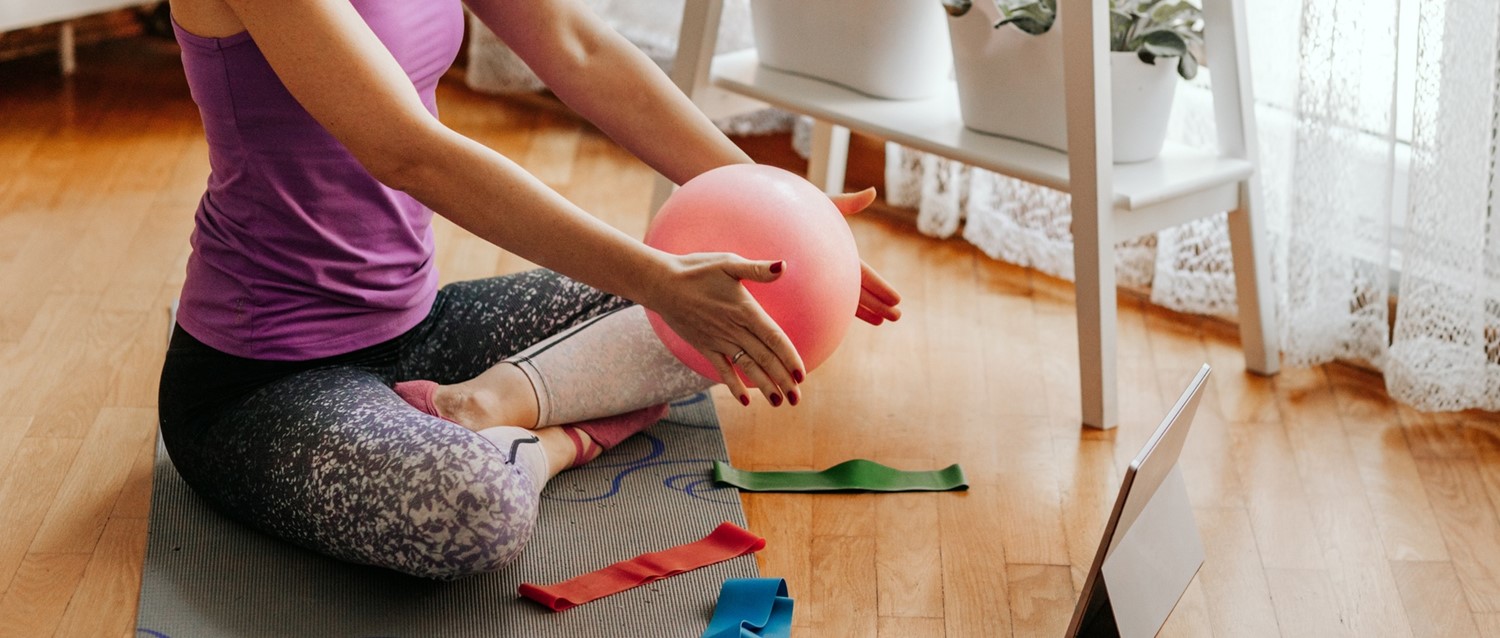
Qu'est-ce que la physiothérapie par vidéo et à qui peut-elle être utile ?
Tout comme d'autres professionnels de la santé, de nombreux kinésithérapeutes ont opté pour la prestation en ligne de leurs services pendant la pandémie de coronavirus. Auparavant réservées aux passionnés de technologie et aux praticiens avant-gardistes, les consultations vidéo pour toutes sortes de plaintes font désormais partie de la 'nouvelle normalité'. Mais en quoi cela consiste-t-il exactement, et les avancées dans la prestation numérique pourraient-elles remplacer la kinésithérapie traditionnelle telle que nous la connaissons ?
par Allie Anderson
Traitement et médicaments
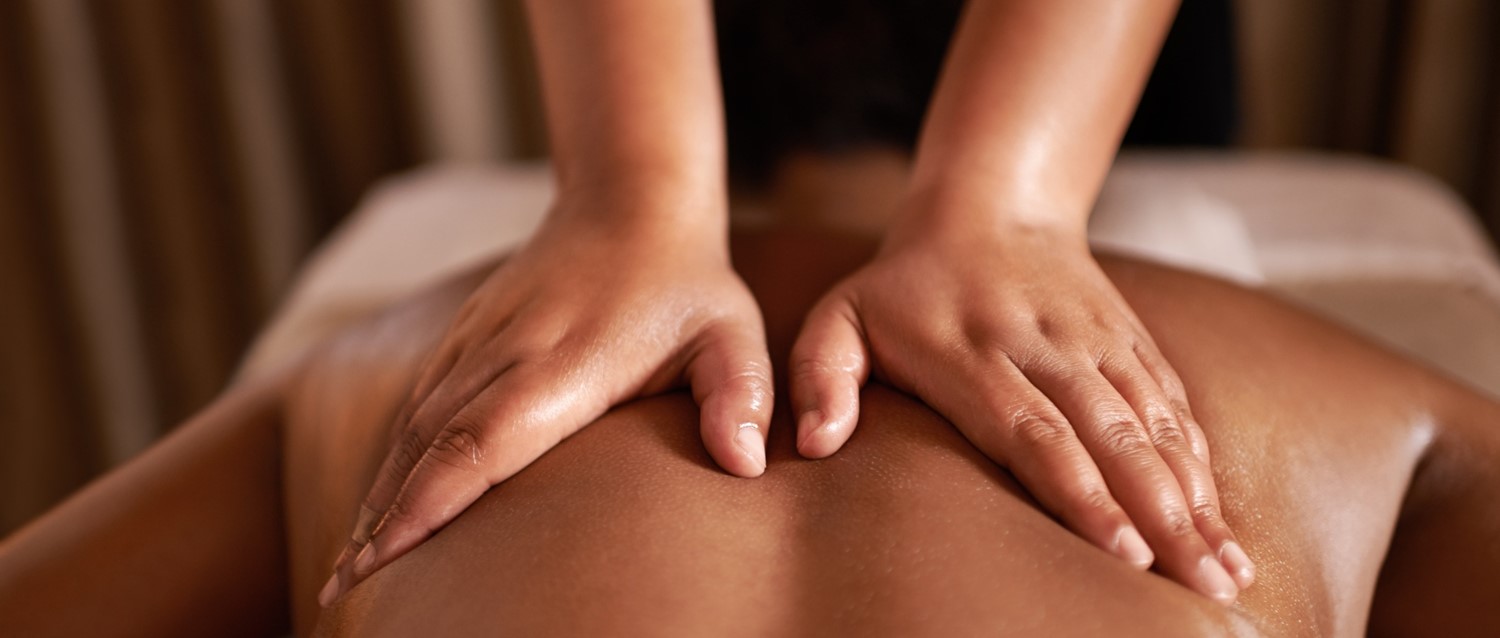
Un massage peut-il remplacer la physiothérapie ?
Si vous ressentez des douleurs - que ce soit à cause d'une blessure sportive ou d'un aménagement de travail à domicile improvisé - vous pourriez vouloir un traitement manuel. Mais quand un massage suffira-t-il, et quand devriez-vous consulter un physiothérapeute ?
par Abi Millar
À propos de l'auteurVoir la biographie complète

Allie Anderson
Journaliste indépendant
NCTJ
Allie Anderson est une journaliste qualifiée par le NCTJ avec de nombreuses années d'expérience en rédaction et en édition pour divers éditeurs.
À propos du critiqueVoir la biographie complète

Dr Sarah Jarvis
Consultant Clinique
MA (Cantab), BM, BCh (Oxon), DRCOG, FRCGP, MBE
Après avoir suivi une formation en médecine à Cambridge et Oxford, le Dr Sarah Jarvis MBE est devenue médecin généraliste.
Historique de l'article
Les informations sur cette page sont examinées par des cliniciens qualifiés.
Article également disponible en Anglais, Allemand, Espagnol, Français, Italien, Portugais, Hindi, Hébreu, Arabe, and Suédois.
1 Jun 2020 | Publié à l'origine
Écrit par :
Allie AndersonRevu par des pairs
Dr Sarah Jarvis

Demandez, partagez, connectez-vous.
Parcourez les discussions, posez des questions et partagez vos expériences sur des centaines de sujets de santé.

Vous ne vous sentez pas bien ?
Évaluez vos symptômes en ligne gratuitement
Inscrivez-vous à la newsletter Patient
Votre dose hebdomadaire de conseils de santé clairs et fiables - rédigés pour vous aider à vous sentir informé, confiant et maître de la situation.
En vous abonnant, vous acceptez notre Politique de confidentialité. Vous pouvez vous désabonner à tout moment. Nous ne vendons jamais vos données.
Plus sur le traitement et les médicaments
- 15 questions à poser avant une opération chirurgicale
- Les exercices faciaux sont-ils bénéfiques pour le sommeil, la parole et la santé bucco-dentaire ?
- La physiothérapie peut-elle prévenir les chutes chez les personnes âgées ?
- Pourriez-vous bénéficier de la musicothérapie ?
- Mis à jourEst-ce que la médecine à base de plantes fonctionne vraiment ?
- Rhume des foins : comment votre pharmacien peut vous aider
- Comment éviter les symptômes de sevrage des antidépresseurs
- Comment choisir un thérapeute
- Comment faire face à une maladie terminale à Noël
- Hypnothérapie pour le SII : l'axe intestin-cerveau
- Est-il sûr de prendre des analgésiques opioïdes ?
- La chirurgie par maille vaginale devrait-elle être interdite ?
- L'importance d'apprendre la RCP
- Vidéo : Exercices de récupération après une prothèse de hanche
- Qu'est-ce que les injections pour la perte de poids et sont-elles sûres ?
- Quels dommages la thérapie de conversion peut-elle causer et pourquoi n'est-elle pas interdite ?
- Ce qu'il ne faut pas dire à quelqu'un qui est en train de mourir
- À quoi s'attendre lorsque votre enfant commence une thérapie par la parole
- Pourquoi les antibiotiques ne devraient pas être surutilisés