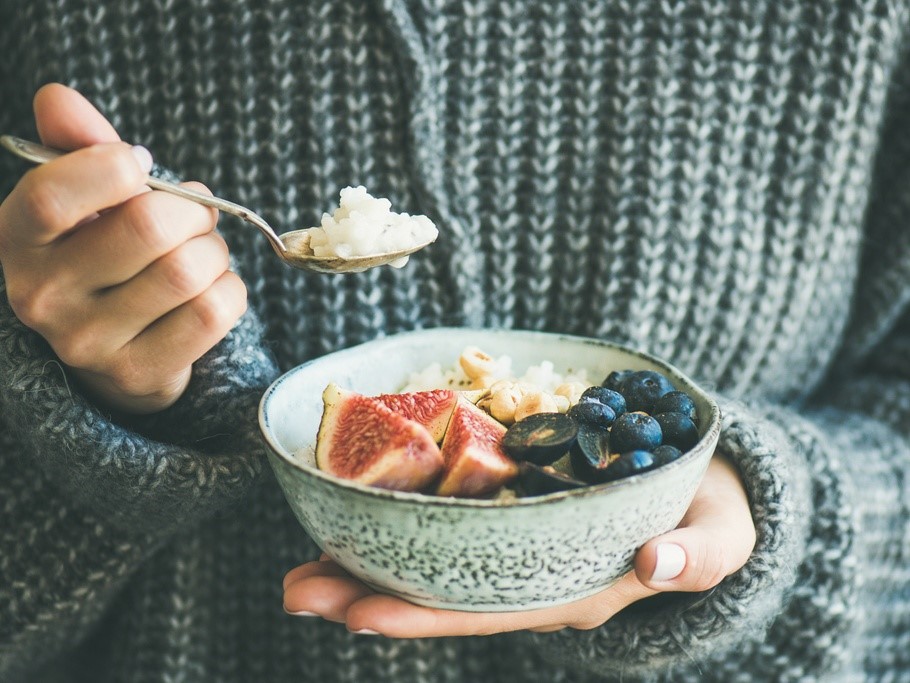
How to snack healthily when you're pregnant
Peer reviewed by Dr Krishna Vakharia, MRCGPAuthored by Lydia SmithOriginally published 13 Apr 2023
Meets Patient’s editorial guidelines
- DownloadDownload
- Share
- Language
- Discussion
- Audio Version
- Add to preferred sources on Google
Navigating food aversions, cravings and sickness when you are pregnant can be a nightmare. Sometimes, all you want to eat is junk food - and even the thought of eating greens is enough to make you feel ill. However, it is important to eat well when you’re expecting and snacking can help ease nausea.
Sign up for our free 8-week Healthy Pregnancy course!
Each week we’ll share useful information and essential tips on topics such as nutrition, exercise, mental health, symptoms to look out for, and preparing for childbirth, to help you navigate your pregnancy journey whatever stage you are at.
By subscribing you accept our Privacy Policy. You can unsubscribe at any time. We never sell your data.
How to eat healthily when you're pregnant
Eating healthily is always important, but it's especially so if you're pregnant as it helps your baby develop and grow.
You should eat a range of foods, including starchy foods such as wholemeal bread and potatoes, fruit and vegetables, fibre and protein such as meat, fish and pulses. Dairy foods such as milk are also important in pregnancy because they contain calcium and other nutrients that you and your baby need.
Healthy snacks can help keep your energy up when pregnant, as it is common to feel tired. Additionally, if you're struggling with nausea or sickness, snacking - or eating little and often - can help.
Susan Nagle, a paediatric dietitian at Dietitian Fit says: "Sickness is an unpleasant side effect of pregnancy that many women struggle with. Eating small, frequent meals of plain foods that are high in carbohydrate and low in fat, such as bread, rice, crackers and pasta may help ease it.
"Nausea is often worse when your stomach is empty so trying a little and often approach may help reduce morning sickness," she suggests. "Try keeping crackers on your bedside table and nibbling on these as soon as you wake up to reduce the onset of sickness."
So what kind of snacks should you reach for when you're pregnant?
Calcium-rich foods
Firstly, it's important to choose snacks that contain nutrients that are essential in pregnancy, such as calcium.
"Try crackers and cheese, a yoghurt, or hot chocolate with milk," says Nagle. "Fruit smoothies made with milk are also a great option. Most low-fat options contain the same amount of calcium as full-fat options, but often contain more sugar - so these are best avoided. Choose full-fat Greek yoghurt options instead. If opting for a dairy-free alternative, choose one that is fortified with calcium."
Often, yoghurts made with oat, coconut, or soya milk contain added calcium, but it's important to check the label.
Iron-rich snacks
Your body needs iron to create healthy red blood cells for both you and your baby. Red blood cells carry oxygen around your body to your organs and tissues, as well as to your baby. However, in pregnancy, the amount of blood in your body increases by almost 50 percent and some women become short of red blood cells - a condition called anaemia.
"Opt for a handful of dried fruit such as apricots, which can be eaten on their own or sprinkled on some overnight oats or fortified cereals," says Nagle.
Eggs and green leafy vegetables and wholemeal bread also contain iron, so you could try toast or soup.
It's also important to make sure you're eating foods that help the iron get absorbed into the body. Fruits and vegetables containing vitamin C can help the body absorb iron, which include oranges and kiwi fruit.
Foods that are high in fibre
Foods rich in fibre help to prevent type 2 diabetes, boost heart health and reduce the risk of pre-eclampsia, a potentially dangerous condition that causes high blood pressure during pregnancy.1
"Try some chopped vegetables such as carrot sticks, cucumber with hummus," says Nagle. "You could also try melon, pineapple or some frozen grapes for warmer days. Try to keep these chopped in the fridge so you can easily grab them in a hurry."
Carrot and chickpea falafels are easy to make and store, so you can grab them when you're feeling hungry.
Popcorn is also a fibre-rich wholegrain. Look for air-popped options and add your own seasonings. You could also try roasting some chickpeas with herbs and spices in olive oil for a healthy alternative to crisps, as they become crunchy and savoury. These contain fibre, iron and protein.
Overnight oats are a tasty, filling snack option. You can find our recipe for apple and cinnamon overnight oats here.
Wholegrain breads, bagels, scones and cereals are also good sources of fibre.
Snacks containing folic acid
Folic acid is essential in pregnancy as it helps to prevent birth defects known as neural tube defects, including spina bifida. It's important to take a 400 micrograms folic acid tablet every day if you are trying for a baby and continue to do so until you're 12 weeks pregnant.
Nagle also recommends choosing snacks that contain folic acid, such as fortified cereals. If you're struggling with nausea, a handful of dry cereal may help settle your stomach.
"You could also try sprinkling sunflower seeds onto some fruit and yogurt, or a handful of nuts," she says.
Patient picks for Diet and lifestyle

Pregnancy
The food and drink to avoid on holiday if you’re pregnant
If you're something of a foodie, travelling while pregnant can be a mixed blessing. On the one hand, a holiday is a holiday. On the other hand, you won't be able to spend your time roaming the backstreets and sampling all the local delicacies, as you might have done before you got pregnant.
by Abi Millar
Pregnancy
Build a maternity capsule wardrobe on a budget
Buying clothes for your pregnancy can be daunting, especially if you’re concerned about the cost. But building a maternity wardrobe needn’t be expensive, and it can be fun.
by Danny Chadburn
Further reading and references
- Zerfu TA, Mekuria A; Pregnant women have inadequate fiber intake while consuming fiber-rich diets in low-income rural setting: Evidences from Analysis of common "ready-to-eat" stable foods. Food Sci Nutr. 2019 Sep 5;7(10):3286-3292. doi: 10.1002/fsn3.1188. eCollection 2019 Oct.
About the authorView full bio

Lydia Smith
Feature writer
BA, MA, MSc
Lydia Smith is an award-winning journalist and feature writer who has written extensively on women's health and mental health. She is currently studying for an MSc in psychology.
About the reviewerView full bio

Dr Krishna Vakharia, MRCGP
Chief Medical Officer for Health, Optum UK
MBChB, MRCGP(2013), BMedSci (hons), DFSRH, DRCOG, PGDipDerm (Distn)
Dr Krishna Vakharia is an NHS GP. She is also a regular examiner for the postgraduate Diploma in Practical Dermatology at Cardiff University as well as being the Chief Medical Officer for health at Optum UK.
Article history
Article also available in English, German, Spanish, French, Italian, Portuguese, Hindi, Hebrew, Arabic, and Swedish.
13 Apr 2023 | Originally published
Authored by:
Lydia SmithPeer reviewed by
Dr Krishna Vakharia, MRCGP
Join the conversation
Share your thoughts or experiences with others in our patient communities.

Ask, share, connect.
Browse discussions, ask questions, and share experiences across hundreds of health topics.

Feeling unwell?
Assess your symptoms online for free
Sign up to the Patient newsletter
Your weekly dose of clear, trustworthy health advice - written to help you feel informed, confident and in control.
By subscribing you accept our Privacy Policy. You can unsubscribe at any time. We never sell your data.
More in pregnancy
- C-section babies have different gut bacteria to those born vaginally
- Do anabolic steroids cause infertility?
- Does testicular cancer affect your fertility?
- How to deal with heartburn during pregnancy
- How to feel more confident about childbirth
- How to support a friend after a miscarriage or stillbirth
- How to travel safely during pregnancy
- Is 'baby brain' a real medical condition?
- Is gastroenteritis harmful in pregnancy?
- Is it safe to take epilepsy medication during pregnancy?
- Putting together a budget for your baby
- Should you change your contraception to the coil or implant?
- The best form of childbirth for you and your baby
- Video: How does PID affect fertility?
- What are the UK abortion laws?
- What is the difference between implantation bleeding and a period?
- What to expect at your first ultrasound scan
- What to expect when you take the morning after pill
- What's the future of contraception?
- Which pregnancy vitamins do I really need?