Vitamine C : bienfaits, sources et carence
Revu par Dr Krishna Vakharia, MRCGPRédigé par Amberley DavisPublié à l'origine 17 Nov 2022
Respecte les directives éditoriales
- TéléchargerTélécharger
- Partager
- Language
- Discussion
- Version audio
Most of us know vitamin C is good for us, but do you know all the ways that this essential nutrient benefits your health? Here you can find out how easy it is to get enough vitamin C, as well as what happens when you consume too little and too much.
Dans cet article:
Sélections de vidéos pour Vitamines et compléments alimentaires
Continuez à lire ci-dessous
What is vitamin C?
Vitamin C, also called L-ascorbic acid, is an essential nutrient we all need for good health. This vitamin supports many important functions in our bodies and helps to maintain our blood vessels, bones, and skin.
Benefits of vitamin C
Retour au sommaireAs vitamin C plays a role in the health and maintenance of so many organs and systems inside us, the list of vitamin C benefits is an extensive one. Here are some of the most important rewards you can get from consuming enough of this super vitamin.
Protection against disease and illness
Vitamin C may help to ward off certain illnesses and long-term diseases in several ways1:
It's an antioxidant that helps to fight inflammation and widens your blood vessels - this can reduce the risk of associated diseases like l'hypertension artérielle.
It protects against free radicals - these are harmful molecules in the body that can damage cells. Free radicals have a role to play in the development of conditions such as le cancer et une maladie cardiaque.
It boosts the immune system - helping your body to fight a range of illnesses.
Wound healing
Vitamin C is used by our bodies to produce collagen, an important structural protein in our skin, muscles and bones. One of the ways in which collagen keeps us healthy is by promoting wound healing2, helping to mend injuries that break the skin and other body tissues while protecting us from infection.
Strong and healthy skin and bones
Vitamin C benefits also include the general health and strength of our skin and bones. In the skin, its antioxidant properties and role in collagen production helps protect against skin ageing and other skin complaints - this is why you'll find vitamin C in many skincare products. As an anti-inflammatory, this vitamin can also help to prevent inflammatory l'arthrite and may support people with l'arthrose3.
Iron absorption
This nutrient helps our bodies absorb another vital nutrient - iron. We need iron for growth and development, and when we don't absorb enough we may experience weakness, fatigue, and problems with memory and concentration. This health issue is called iron-deficiency and it can lead to long-term complications if left untreated4.
Continuez à lire ci-dessous
Good sources of vitamin C
Retour au sommaireWe get the vitamin C we need through the food we eat. It's a water-soluble vitamin, meaning that once inside us it dissolves in water and is delivered straight to the body's tissues, but we are unable to store it. For this reason, we need to consume foods with vitamin C content every day in order to stay healthy.
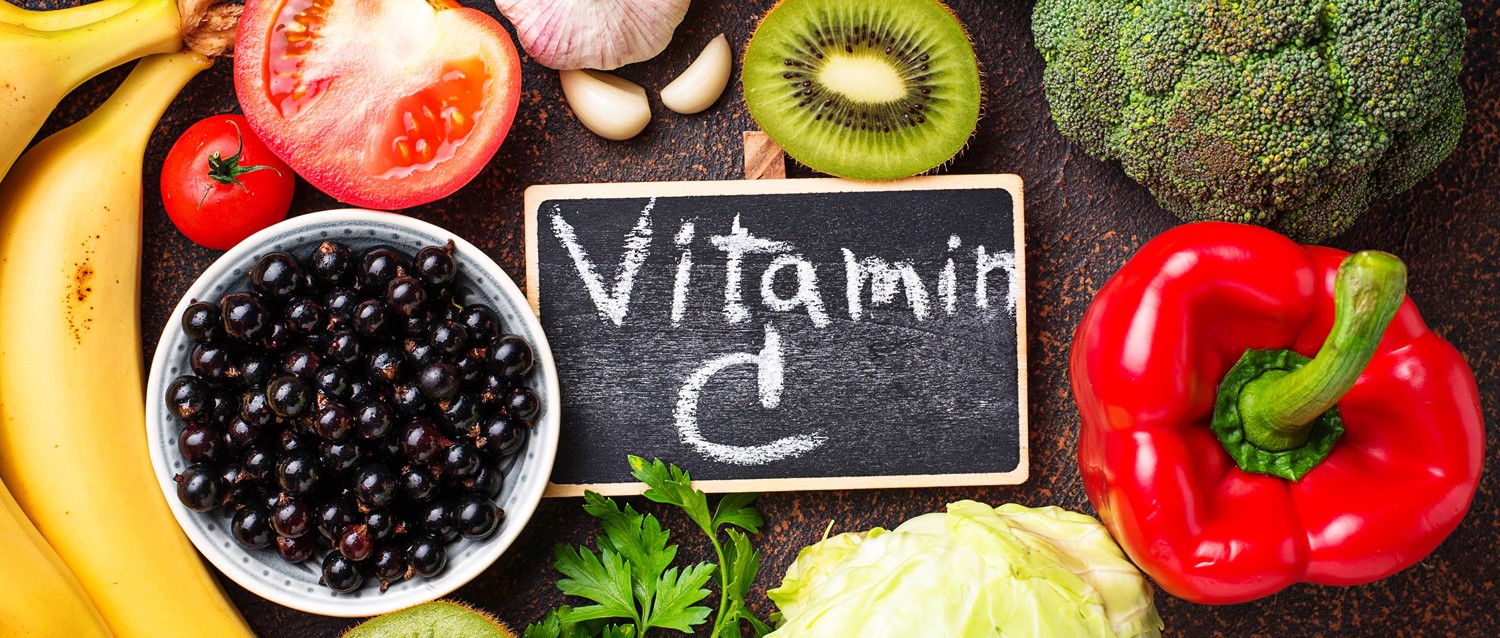
For the best sources of vitamin C, turn to fruit and vegetables. According to Reema Patel, dietitian at DietitianFit, the following common citrus fruits contain a high dose of vitamin C:
Lemons.
Limes.
Oranges.
Kiwi.
Grapefruit.
She adds that other good sources include:
Peppers.
Tomatoes.
Berries.
Potatoes.
Brussels sprouts.
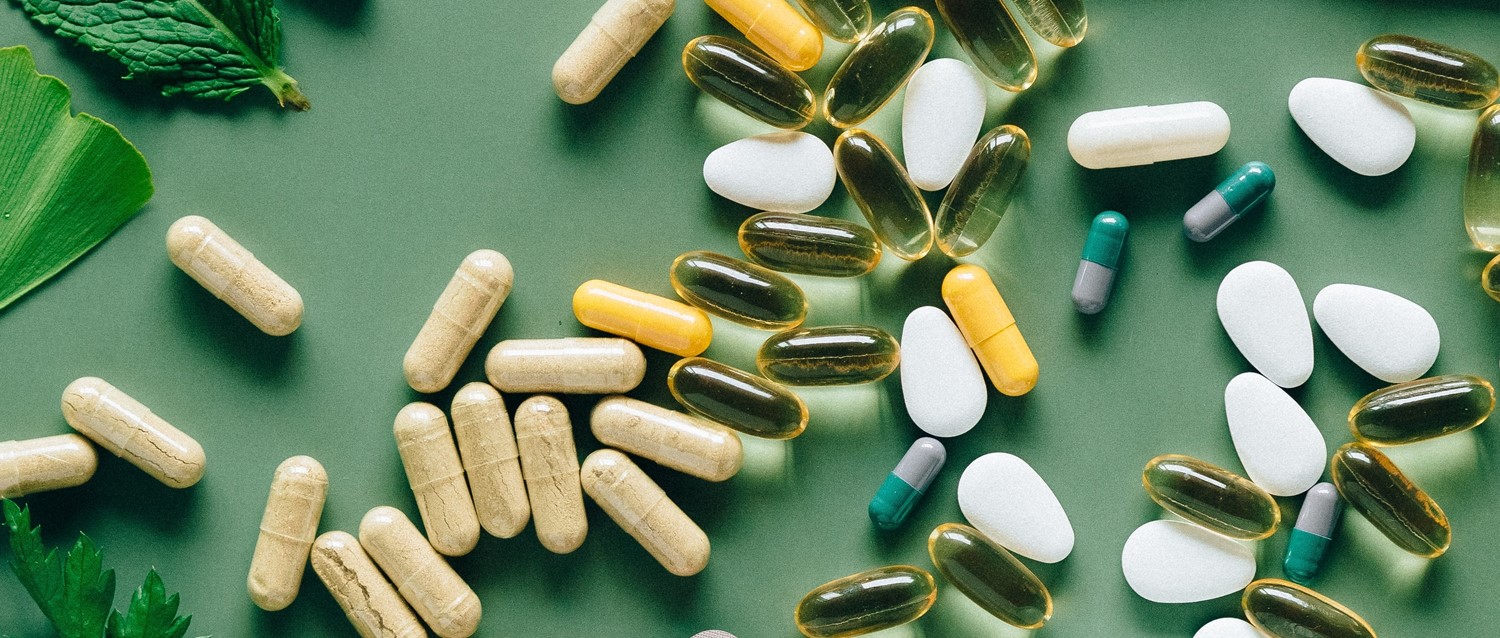
You can also take daily vitamin C supplements to bolster your vitamin C levels. However, remember that a dietary supplement is only good for you when taken in addition to - and not instead of - a healthy, nutrient-rich diet.
How much vitamin C per day?
Retour au sommaire"Adults need 40 milligrams (mg) of vitamin C per day5," says Patel. "This is usually easy to get through your diet. For example, one medium orange has around 70-80 mg of vitamin C and two kiwis provide more than 130 mg of vitamin C."
However, certain people are more at risk of not getting enough vitamin C through food alone. This makes them more vulnerable to the health problems associated with vitamin C deficiency.
Continuez à lire ci-dessous
Carence en vitamine C
Retour au sommaireNot getting enough vitamin C persistently, usually over a period of three months or more, is known as vitamin C deficiency. The following groups have a higher risk of this condition:
People with a dependency on alcohol ou other drugs who may also have a poor diet.
People on very restrictive diets.
Les personnes qui fument regularly.
People with a medical condition that inhibits healthy digestion and absorption of food, such as maladie de Crohn.
Older people who eat a less varied diet.
Pregnant and breastfeeding women as they need higher doses of vitamin C.
Vitamin C deficiency can lead to scurvy, although Patel adds that the likelihood of developing scurvy in the UK is very low.
She describes the common symptoms of scurvy:
Sore joints.
Delayed wound healing or easy bruising.
Humeur dépressive.
Can you have too much vitamin C?
Retour au sommaireJust as it's possible to not get enough vitamin C, you can also consume too much - although this isn't an easy thing to achieve through food alone. Large doses of vitamin C - that exceed 1000mg a day - are most likely the result of taking too many vitamin C supplements. If supplementing, make sure you're not taking more than 75 mg a day for a women and more than 90 mg a day for a man.
Too much vitamin C can lead to side effects such as diarrhée and stomach pain. While uncomfortable and inconvenient, these symptoms tend to be temporary, disappearing once supplementation in large doses is stopped.
Pour en savoir plus
Retour au sommaireSélections de patients pour Vitamines et compléments alimentaires
Régime et nutrition
Les suppléments de ZMA sont-ils vraiment efficaces ?
Le supplément ZMA - également connu sous le nom d'aspartate de zinc et de magnésium - est utilisé par les personnes cherchant à améliorer leur sommeil et aussi par les amateurs de fitness qui veulent développer leur masse musculaire et augmenter leur endurance. Pourtant, il y a peu de preuves pour soutenir l'utilisation du ZMA chez les personnes qui ne sont pas déficientes en nutriments. La meilleure façon d'absorber et de bénéficier des nutriments du ZMA est de suivre une alimentation saine et équilibrée.
par Amberley Davis

Régime et nutrition
Comment se préparer en vitamines pour l'automne et l'hiver
L'hiver pourrait être la dernière chose à laquelle vous pensez en profitant des rayons du soleil qui diminuent, mais ne vous y trompez pas, ces jours plus sombres avec leurs toux et éternuements approchent à grands pas. Alors, que pouvez-vous faire à part faire le plein de mouchoirs et de Lemsip ? Continuez à lire pour votre plan étape par étape pour vous préparer 'en vitamine' pour l'hiver.
par Dr Carrie Ruxton, PhD, Nutrition de l'enfant
Continuez à lire ci-dessous
Historique de l'article
Les informations sur cette page sont examinées par des cliniciens qualifiés.
17 Nov 2022 | Publié à l'origine
Écrit par :
Amberley DavisRevu par
Dr Krishna Vakharia, MRCGP

Demandez, partagez, connectez-vous.
Parcourez les discussions, posez des questions et partagez vos expériences sur des centaines de sujets de santé.

Vous ne vous sentez pas bien ?
Évaluez vos symptômes en ligne gratuitement
Inscrivez-vous à la newsletter Patient
Votre dose hebdomadaire de conseils de santé clairs et fiables - rédigés pour vous aider à vous sentir informé, confiant et maître de la situation.
En vous abonnant, vous acceptez notre Politique de confidentialité. Vous pouvez vous désabonner à tout moment. Nous ne vendons jamais vos données.