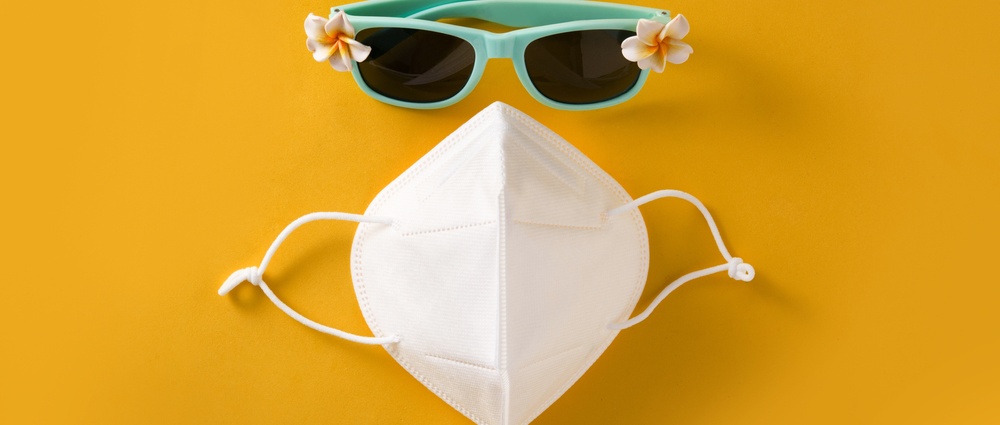
What is weather change sickness?
Revu par Dr Colin Tidy, MRCGPDernière mise à jour par Lynn StephenDernière mise à jour 29 May 2026
Respecte les directives éditoriales
- TéléchargerTélécharger
- Partager
- Language
- Discussion
- Version audio
- Ajouter aux sources préférées sur Google
If you've ever felt under the weather when the seasons change - or when temperatures have significantly soared or plummeted - then you're not alone. Weather change sickness describes the effects of dramatic changes in weather on our physical health.
While these changes alone can't directly make us ill, they are linked to several factors that can make us feel run-down at different points of the year.
Unpredictable British weather
If there's one thing we can rely on with British weather, it's the unreliability. Rising temperatures over spring and summer can be suddenly interrupted by rain, storms, and colder spells.
While many of us learn to tut and roll our eyes at these unpredictable ebbs and flows, our bodies can sometimes find it harder to adapt. This effect has come to be described as 'weather change sickness', but can changes in temperature really make us ill?
Can you get a cold from a change in weather?
"Interesting question," remarks Dr Aimee Brame, a consultant physician at London Bridge Hospital, part of HCA Healthcare UK. "A sudden change in weather doesn't directly make us ill, but it can most definitely affect our health in a number of ways.
"It's important to understand that weather change sickness isn’t the weather itself that can cause the illness, rather the changes in temperature, humidity, and exposure," she says.
Our bodies can interpret a significant change in weather as stress, and when our bodies are stressed, our immune systems are weakened. This means that our ability to fight off infections is compromised. At the same time, a big shift in temperature and humidity can create the perfect environment for infections to start and then to spread.
In other words, a significant change in weather can't actually make you sick - you need to be exposed to the actual viruses, such as the ones that cause the rhume ou la grippe virus. However, it can influence factors - in both your body and the surrounding environment - that make you more vulnerable to becoming ill.
It's not just about winter viruses
When the UK summer turns to autumn and temperatures drop, many of us brace ourselves for the start of cold and flu season. However, we may experience weather change sickness throughout the year - especially when the seasons change.
Although we talk about it less in the warmer seasons, it's also possible to feel run-down due to a sudden weather change in the spring and summer. One potential reason is that specific viruses peak at different times of the year, and are not only influenced by decreases but also increases in temperature and humidity.
Weather change sickness factors
However, viruses are just one factor linked to weather change sickness. Brame lists several others that might explain why you find yourself feeling under the weather at different times of the year.
Seasonal change of weather: heat and pollen
Seasonal allergies can also cause many people to feel under the weather when spring and summer arrive. Those with hay fever experience symptoms when pollen levels rise between March and August. Symptômes du rhume des foins can feel similar to cold symptoms.
Brame explains that as the weather warms up, flowers, trees, and grasses start to produce pollens which exacerbate nasal drip, stuffiness, and asthma. Leaf mould and sensitivity can push these symptoms into the late autumn.
"Heat can also trigger symptômes de l'asthme. Summer thunderstorms can be particularly problematic even without changes in pollen count, especially for those with conditions such as swelling of the sinuses (sinusite)," she says. "This can result in a 'summer cold'".
Seasonal change of weather: cold air and viruses
There is some evidence that we are generally more susceptible to getting sick in colder temperatures. Brame notes that common viruses such as human rhinovirus - which causes up to 40% of all colds - and influenza virus - which leads to flu - spread more quickly when temperatures drop.
"Exposure to cold temperatures can also trigger seasonal asthma and hyper-reactive airways," she warns. "People who have these triggers should use an inhaler and a face covering, particularly when exercising in the cold, to minimise the effects of the cold air on their lungs.
"Even people without lung issues experience runny noses, blocked noses, and sneezing with changes in temperature as they move outdoors. This also makes symptoms feel worse when you do develop a cold."
Lower barometric pressure (BMP)
BMP is the measurement of atmospheric pressure in the air. According to Brame, people with rheumatological disorders - autoimmune diseases that cause an immune response that attacks your muscles, joints, bones, and organs - can often feel worse when BMP changes.
For example, people with fibromyalgie - a condition causing pain all over the body and extreme tiredness - may experience an increase in pain during low BMP.
Likewise, those who experience les migraines may find that a drop in BMP makes them worse. This is because a low air pressure in the atmosphere creates a difference between outside air pressure and the air inside our sinuses, resulting in pain. This is similar to the pressure changes that take place when your flight takes off - the sudden altitude climb can lead to récurrents, ear popping, and ear pain.
Central heating and air conditioning
How you adapt your indoor settings following changes in weather can also influence weather change sickness. Brame cautions that heating and air conditioning can dehumidify air and recirculate the dust on your radiators. This can set off allergies, and nasal and sinus symptoms - such as congested or runny noses - and can cause sore throats.
"In your attempt to stay warm or cool down, using these systems inadvertently helps to circulate germs that cause respiratory infections," she adds. "Cold and dry air also causes the delicate skin inside your nose to dry and become inflamed or even cracked, allowing easier infection by virus germs."
Weather-influenced personal factors
Disrupted sleep due to loud storms or drastic temperature changes are common. Poor sleep can reduce your immunity and increase your chance of infections such as colds.
When temperatures suddenly soar and we fail to drink enough water, dehydration can pose a significant hazard to our health. Being dehydrated may also compromise the immune system and make us more vulnerable to infectious diseases.
Weather change sickness symptoms
Any weather change sickness symptoms you experience will depend on which of the above weather change factors have affected you. Rather than getting specific weather change sickness symptoms, many people feel more generally under the weather if their immune systems are put under stress.
Any specific symptoms you do have as a result of these factors are likely to be caused by common viral infections like the common cold, or by hay fever.
Both conditions share many common symptoms:
A blocked nose.
Un nez qui coule.
An itchy throat.
Yeux qui démangent.
Yeux larmoyants.
Eternuements.
Maux de tête.
Flare-ups of asthmatic symptoms such as breathlessness and wheezing are also common. This is because people with asthma may find that extremes of temperature - both extreme cold and heat - and humidity, respiratory infections and allergies can all make asthma worse.
If you're finding it difficult to cope, Brame suggests making an appointment to discuss your symptoms with your doctor.
"There are plenty of things we can do to make you feel better," she says.
Protecting yourself from weather change sickness
It's not always possible to avoid becoming run down, catching upper respiratory infections, or dodging your allergy triggers. This said, there are steps you can take to support your immune system and help guard yourself from some of the challenges that a big change in weather brings.
Practise good hygiene
Washing your hands regularly can help stop the spread of infections such as rhinoviruses - which cause colds, sore throats, and sinus infections. These germs can sometimes survive on touchable surfaces, such as workstations and door handles, for up to 48 hours.
Take your preventer medicine
Use of preventer inhalers for asthma and hay fever medicine started before the time you usually get your symptoms can ward off weather change symptoms.
Get your yearly flu jab in autumn or winter months
If you are eligible for the free vaccin contre la grippe on the NHS, this gives a good level of protection against seasonal flu in the colder months.
Keep physically active
Regular exercise can strengthen your immune system, which helps your body to fight viral infections such as cold and flu.
Get plenty of sleep
Establishing a habit of getting enough undisturbed sleep each night can give your immune system a significant boost.
Manage your stress levels
Feeling stressed can have a big impact on your immune system response to infections.
Buvez beaucoup d'eau
Staying well hydrated plays a key role in keeping you healthy and your essential functions working properly.
Eat a well-balanced diet
This means consuming a wide range of nutrients and vitamins. For example, foods rich in vitamin C, vitamin B12 , and zinc are known for their immunity-boosting qualities.
Sélections des patients pour Conditions environnementales

Santé mentale
Pourquoi certaines personnes ressentent-elles de l'anxiété en été ?
Vous avez probablement entendu parler de la déprime hivernale, mais saviez-vous que l'anxiété estivale est également possible ? Si vous vous êtes déjà senti paniqué pendant l'été, vous n'êtes pas seul et, heureusement, il existe des moyens de gérer ces sentiments.
par Lynn Stephen

Allergies, sang et système immunitaire
Gérer le rhume des foins et l'asthme : conseils pour survivre à la saison pollinique
La saison du rhume des foins est officiellement arrivée. Bien que nous le considérions souvent comme une partie normale du printemps et de l'été, cela peut toujours vous faire sentir loin de votre meilleur. Pour beaucoup, le rhume des foins peut être perturbateur, durant des mois et rendant la vie quotidienne plus difficile - surtout si vous avez une affection respiratoire telle que l'asthme. St John Ambulance partage des conseils simples pour aider à gérer les symptômes du rhume des foins et limiter votre exposition au pollen gênant.
par Victoria Raw
Questions fréquemment posées
How long does weather change sickness last?
The duration of symptoms related to weather change sickness isn't specified as it depends on the underlying cause. If symptoms are due to a common viral infection like a cold, they will typically run their course as any other cold would. If they are flare-ups of conditions like asthma or hay fever, they might last as long as the trigger is present or until managed with medication.
What kind of viruses are more common in colder temperatures?
When temperatures drop, common viruses such as human rhinovirus, which causes up to 40% of all colds, and the influenza virus, which leads to the flu, tend to spread more quickly.
Can I prevent asthma attacks triggered by cold air?
Yes, if you have asthma or hyper-reactive airways, you can minimise the effects of cold air on your lungs by using an inhaler and a face covering, especially when exercising outdoors in cold weather.
Why do my nose and eyes react when I go from indoors to outdoors, even if I don't have a cold?
Even without a cold or lung issues, moving between different temperatures, like going outdoors, can cause symptoms such as runny noses, blocked noses, and sneezing. This is a common physical reaction to temperature changes, and it can make any developing cold symptoms feel worse.
Can changes in air pressure affect conditions other than headaches?
Yes, changes in lower barometric pressure (BMP) can also affect people with rheumatological disorders. For instance, individuals with fibromyalgia may experience an increase in pain when BMP changes.
How does central heating and air conditioning worsen symptoms?
Central heating and air conditioning can dehumidify the air and recirculate dust, which can trigger allergies and nasal/sinus symptoms like congestion, runny noses, and sore throats. These systems can also help circulate germs causing respiratory infections. Additionally, cold and dry air from these systems can inflame or crack the delicate skin inside your nose, making it easier for viruses to cause infection.
Does dehydration impact my immune system?
Yes, dehydration can compromise your immune system and make you more vulnerable to infectious diseases. It's important to drink enough water, especially when temperatures change dramatically.
À propos de l'auteurVoir la biographie complète

Amberley Davis
Rédacteur senior
BA (Hons), CPD
Amberley est une rédactrice senior chez Patient et a écrit de manière approfondie sur une gamme de sujets liés à la santé et au bien-être.
À propos du critiqueVoir la biographie complète

Dr Colin Tidy, MRCGP
Médecin généraliste, Auteur médical
MBBS, MRCGP, MRCP (Paediatrics), DCH
Le Dr Colin Tidy est un médecin du NHS, basé dans l'Oxfordshire.
Historique de l'article
Les informations sur cette page sont examinées par des cliniciens qualifiés.
Article également disponible en Anglais, Allemand, Espagnol, Français, Italien, Portugais, Hindi, Hébreu, Arabe, and Suédois.
Next review due: 27 May 2029
29 May 2026 | Dernière version
7 Jun 2022 | Publié à l'origine
Écrit par :
Amberley Davis

Demandez, partagez, connectez-vous.
Parcourez les discussions, posez des questions et partagez vos expériences sur des centaines de sujets de santé.

Vous ne vous sentez pas bien ?
Évaluez vos symptômes en ligne gratuitement
Inscrivez-vous à la newsletter Patient
Votre dose hebdomadaire de conseils de santé clairs et fiables - rédigés pour vous aider à vous sentir informé, confiant et maître de la situation.
En vous abonnant, vous acceptez notre Politique de confidentialité. Vous pouvez vous désabonner à tout moment. Nous ne vendons jamais vos données.
Plus sur la santé générale et le mode de vie
- 6 habitudes de travail qui gardent votre cœur en bonne santé
- Un guide des lunettes de soleil avec protection UV
- Avez-vous besoin de physiothérapie après un remplacement articulaire ?
- Comment la technologie aide-t-elle à responsabiliser les patients dans leur propre santé ?
- Comment la ménopause peut affecter les femmes au travail
- Comment la physiothérapie peut aider les personnes atteintes de maladies pulmonaires
- Comment surmonter la déprime de fin d'été
- Comment boire de manière responsable pendant la saison festive
- Comment atténuer l'inquiétude en attendant les résultats d'un examen médical
- Comment tirer le meilleur parti de votre consultation médicale à distance
- Comment gérer l'asthme pendant les mois d'hiver
- Comment mieux dormir par temps chaud
- Existe-t-il un écart de santé pour la communauté LGBTQ+ ?
- Les protéines végétales pourraient aider à prévenir l'hypertension
- Jardinage de printemps : conseils pour éviter les tensions et les entorses
- Conseils pour mieux dormir en été
- Qu'est-ce qu'un certificat médical et quand en avez-vous besoin ?
- Pourquoi il est si important de connaître votre type de peau cet été
- Votre guide pour la prévention des AVC