Pharmacy First - getting the most from your pharmacist
Peer reviewed by Sima Jassal, MPharmLast updated by Lawrence HigginsLast updated 24 Sept 2024
Meets Patient’s editorial guidelines
- DownloadDownload
- Share
- Language
- Discussion
- Audio Version
- Add to preferred sources on Google
It's World Pharmacy Day and we explain when you can visit a pharmacist to receive advice and treatment for some simple illnesses, instead of going to see your doctor. Read here about the NHS Pharmacy First scheme, what conditions you can go directly to your pharmacist about, and what else you need to do.

What is Pharmacy First?
The Pharmacy First scheme means you can go and see a pharmacist about several minor illnesses and conditions you would previously have had to see your GP about. You can visit your pharmacist for a consultation and they will treat you and prescribe medicines if necessary. If your condition is more serious you will be referred to a GP or hospital.
Your pharmacist will asses your suitably for treating you and may refer you to another health service if they feel it's more appropriate.
What conditions can you see your pharmacist about?
Under Pharmacy First, pharmacists can treat and prescribe medicines for seven conditions. These are the conditions, and at what age, you can see the pharmacist about:
Earache - 1 to 17 years.
Impetigo - 1 year and over.
Infected insect bites - 1 year and over.
Shingles - 18 years and over.
Sinusitis - 12 years and over.
Sore throat - 5 years and over.
Uncomplicated urinary tract infections - women 16-64 years.
Anyone not within these age ranges should see their GP.
There are many other conditions which you can also see your pharmacist about rather than your doctor. These include:
Aches and pains - such as, back pain, headache and period pain.
Accidents - such as, sprains, minor cuts, and grazes
Colds, flu and other infections - such as, cough, congestion, fevers and/or temperature.
Ear care - such as, ear wax.
Eye care - such as, conjunctivitis, styes.
Hay fever - which is not controlled by standard over-the-counter treatments.
Rashes.
Skin problems - such as, athlete’s foot, cold sores, or mild eczema or psoriasis.
Stomach aches - such as, constipation, diarrhoea, or indigestion.
How to see your pharmacist
More than 10,000 pharmacies across the UK are part of the scheme - that's more than 9 out of every 10. Generally, you can just walk in to your closest or preferred one and ask for an appointment - or they will see you straightaway if there is availability. If you'd prefer, you can call and ask for a video consultation with the pharmacist.
You may also be referred to a pharmacy appointment from:
NHS 111 - online, telephone and the NHS App.
Integrated urgent care clinical assessment services.
Urgent treatment centres.
A&E.
999.
Your GP.
To find out your nearest pharmacy and check if it is part of the scheme go to NHS pharmacy finder or just walk in. If you have difficulty leaving your house or have limited time, several pharmacies also offer free online consultations under the Pharmacy First scheme - including high street chains such as Lloyds or online service My Local Surgery (MLS).
What will happen at your pharmacist appointment
Your consultation with the pharmacist will always be confidential and in a private place. The pharmacist will ask you questions about your health - they may need to know about your previous medical history, any allergies, any medicines you are taking, and the symptoms you are experiencing. They will ask you before checking any medical records.
For some conditions, the pharmacist may ask to have a look at what is wrong - for instance, if you have an earache, they may use an otoscope to look into your ear. The pharmacist will not use diagnostic tests to check for specific conditions - such as checking a pee sample for a UTI or swabbing your sore throat.
The pharmacist will recommend the best course of action to treat your condition - this could be that your illness is best to run its course, they may prescribe medication such as antibiotics. If your condition is more severe they may refer you to another health service or professional.
The notes of your consultation will be added to your medical records.
What else can you see a pharmacist about
As well as the conditions covered under Pharmacy First and other minor illnesses, there are many other issues and topics your pharmacist will be able to help you with, these include:
Advice on using and disposing of medicines.
Blood pressure checks.
Chlamydia screening and treatment.
Cholesterol and blood sugar testing.
Drug use - including needle and syringe exchange schemes.
Help on how to manage your weight.
Some vaccinations.
If your symptoms last for more than two weeks or do not get better you should see a GP. If your symptoms are severe and you are worried, call 999 or go to your local A&E.
Patient picks for Pharmacy services

General health and lifestyle
What to expect from your pharmacy consultation
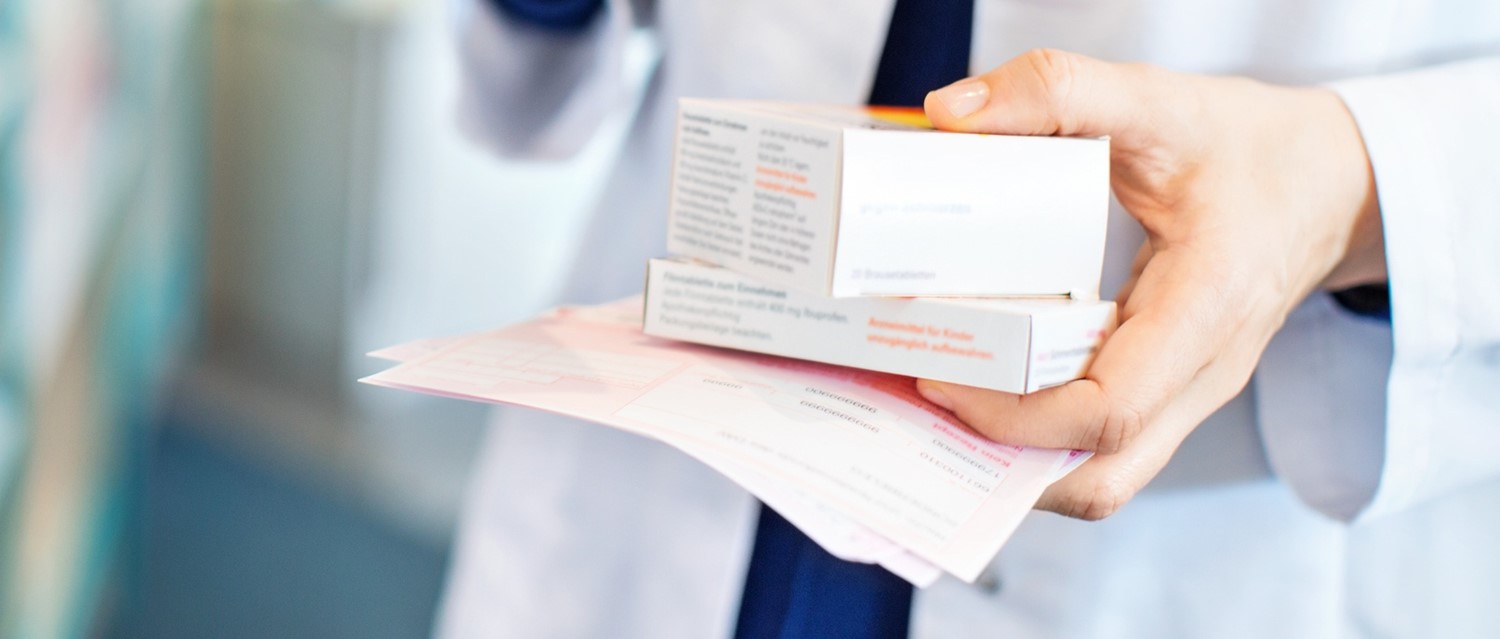
Pharmacy First is a service that encourages you to contact your pharmacist before booking a doctor’s appointment for minor health issues. While pharmacists can’t diagnose or treat every medical condition, they are trained to manage a range of minor illnesses and provide expert advice. But what happens during a pharmacy consultation? We asked an expert to walk us through the process.
by Victoria Raw
General health and lifestyle
Can your pharmacist help you with your sexual health?
In recent years, pharmacies have increased their offering to provide a variety of different sexual and reproductive health services, including contraception, advice, testing and treatment for some sexually transmitted infections. We look at what's available from local and online pharmacies and when you should visit your GP or sexual health clinic instead.
by Sally Turner
About the authorView full bio

Lawrence Higgins
Managing editor
BSc, Post Graduate Diploma
Lawrence has worked as both Managing Editor of Patient.info and a contributing author. He is also a member of the Guild of Health Writers.
About the reviewerView full bio

Sima Jassal, MPharm
Clinical Director, EMIS
Master of Pharmacy
Sima is an experienced pharmacist with a background in the IT and software industry, and community pharmacy.
Article history
The information on this page is peer reviewed by qualified clinicians.
Article also available in English, German, Spanish, French, Italian, Portuguese, Hindi, Hebrew, Arabic, and Swedish.
Next review due: 24 Sept 2027
24 Sept 2024 | Latest version
1 Feb 2024 | Originally published
Authored by:
Lawrence Higgins
Join the conversation
Share your thoughts or experiences with others in our patient communities.

Ask, share, connect.
Browse discussions, ask questions, and share experiences across hundreds of health topics.

Feeling unwell?
Assess your symptoms online for free
Sign up to the Patient newsletter
Your weekly dose of clear, trustworthy health advice - written to help you feel informed, confident and in control.
By subscribing you accept our Privacy Policy. You can unsubscribe at any time. We never sell your data.
More in general health and lifestyle
- 9 food swaps for a delicious and healthy Christmas dinner
- A guide to UV protection sunglasses
- Clinical trials - helping to keep your medicines safe.
- Hay fever: How to cope with a 'pollen bomb'
- How has working from home affected our mental health?
- How to book your flu jab before winter
- How to care for your skin in winter
- How to cope in the outdoors with a heatwave
- How to cope with asthma in the summer
- How to help your baby sleep safely in hot weather
- How to manage food guilt over Christmas
- How to prevent varicose veins
- How to stay cool indoors this summer
- Is Christmas music good or bad for your mental health?
- Looking after your mental health when returning to work after maternity leave
- Study of homeopathy clinical trials reveals poor research practice
- What is #MedSafetyWeek and MHRA Yellow Card scheme?
- What is fuel poverty and how does it affect our health?
- What is weather change sickness?
- Why new year's resolutions fail - and what you can do about it