How to protect your bones as you get older
Peer reviewed by Dr Colin Tidy, MRCGPLast updated by Lynn StephenLast updated 15 Oct 2025
Meets Patient’s editorial guidelines
- DownloadDownload
- Share
- Language
- Discussion
- Audio Version
- Add to preferred sources on Google
1 in 2 women and 1 in 5 men aged over 50 will break a bone because of osteoporosis. More than 300,000 Britons sustain fractures from minor bumps every year. At best, a broken bone is painful and debilitating. At worst, it can spell the loss of independence. But you can reduce your chance.
What does it mean?
Doctors often use long words, but it’s not just for show. Mostly they're a combination of medical terms that link different conditions together. So 'osteo-' is anything to do with bones, and '-porosis' means porous - such as porous rocks, that have tiny channels water can get through. So osteoporosis is basically 'thinning' of the bones.
Your bones aren't solid. They're made up of a network of tough connective tissue, called collagen, and minerals - mostly calcium. They're also not static, in fact, they're being broken down and built up all the time. That's why bones heal when you break them.
When you're growing, the building up happens faster than the breaking down, and then the two balance each other. But once you're over about 40, bony material starts being reabsorbed faster than it's laid down. As a woman, this process speeds up further once you go through the menopause.
This means your bones become less dense and less strong, making you prone to breaks from minor falls. The older you are, the greater the likelihood. You could break a hip or a wrist by tripping over from standing height. And the bones in your spine can also collapse with minor trauma, causing severe ongoing pain.
It's never too young to start
Even though most people don't start losing bone density until their 40s, you should be thinking about protecting your bones, whatever your age. Actually, if you're old enough to read this, you should have been protecting them for years! The stronger your bones are in your early 30s, when they're at peak density, the more bone you have to lose without them becoming susceptible. That's one of the reasons men are less likely than women to sustain an osteoporosis-related fracture - their bones are more dense to start with.
Building healthy bones actually starts before you're born, so pregnant women can give their children a boost in the bone stakes by getting enough calcium and vitamin D in their diets. As for kids, it's important to sneak regular calcium into them even if they're going through a fussy eating phase. Under-2s should have full-fat dairy products, but over-2s can have any variety. Yoghurts, milk, cheese and fromage frais all contribute.
Men vs. women
Women lose bone quicker than men do, especially after the menopause, so you're more likely to break a bone due to osteoporosis if you're a woman. Two thirds of osteoporosis fractures are in women past the menopause. The female hormone oestrogen offers some protection, so your vulnerability increases if you went through the menopause early - under 45 - or are underweight because of conditions such as the eating disorder anorexia, which lowers your oestrogen.
Osteoporosis often runs in families, so a parent/brother/sister with osteoporosis - or a hip fracture - means your chance is higher too. So does having had a fracture after a minor fall yourself. Having the joint issues rheumatoid arthritis or ankylosing spondylitis, or bowel conditions such as Crohn's disease - that can affect absorption of vital nutrients - also make you more prone.
Keep your bones happy
If you have a broken bone from a minor fall, or if your doctor thinks you're vulnerable, they'll refer you for a bone scan. This quick and completely painless procedure is similar to an Xray, usually of your hip and spine. It tells your doctor whether your bones are normal or a bit thin (osteopenia), or whether you have osteoporosis.
If you've broken a bone and have osteoporosis, or if you have other contributing factors - including being older - your doctor may recommend regular tablets - usually one called alendronate, taken daily or monthly. These can delay the start, or the progression, of osteoporosis. So can HRT, although this is usually only given around the menopause.
Fortunately, there's lots you can do to protect your bones.
Among the most important tips are:
Keep your alcohol intake down - under two units a day.
Don't smoke - as if you needed another reason to quit.
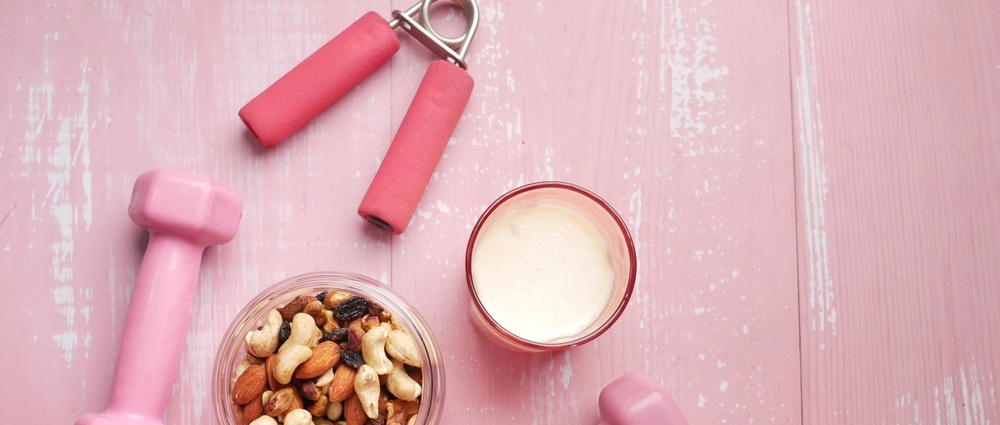
Exercise regularly. It's weight-bearing exercise that helps strengthen bones and the muscles that support them, so brisk walking, jogging, dancing, and lifting small weights are ideal. Swimming and cycling are great for your heart but not your bones.
Get enough calcium in your diet. Low-fat dairy foods (such as milk, yoghurt, cheese), tinned fish with bones, soya products (for example, tofu), spinach, dried figs, or apricot, pulses and fortified bread or cereals are all good sources.
Low-fat dairy products are just as high in calcium as their full-fat alternatives, if not higher.
Get out in the sun for 15-20 minutes a day with face and arms uncovered from April-October to top up your vitamin D.
Take a vitamin D supplement of 10 micrograms - 400 international units - a day from October to March, and all year if you're over aged 65 or don't get outside much.
There's some evidence that getting enough protein in your diet can also protect your bones. Lean chicken or red meat, fish, eggs, and dairy products are all good sources.
There's no need to miss out on protein if you're vegetarian or vegan - opt for tofu, nuts, beans, and lentils instead.
With thanks to 'My Weekly' where this article was originally published.
Patient picks for Bone health
Bones, joints and muscles
How to protect your joints as you get older
As you get older, parts of your body can start to feel a bit stiff from time to time. Your joints keep you mobile and active so it's important to look after them and take extra care as you age to prevent damage.
by Lawrence Higgins
Bones, joints and muscles
Supermarket shopping for foods to help stiff and painful joints
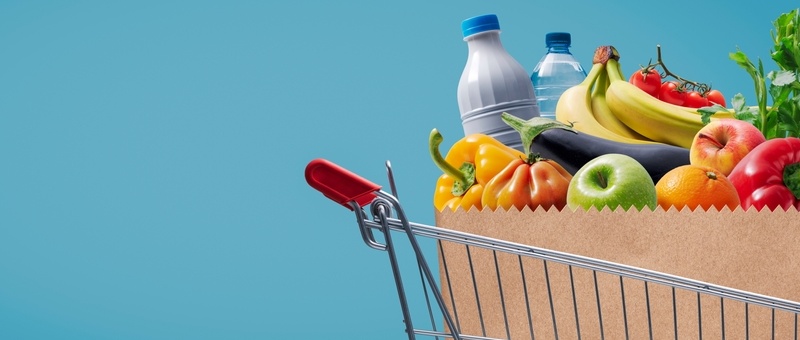
Achy, stiff, and painful joints are a issue for many of us. However, what we eat can make a big difference - and reduce our reliance on medicines to keep pain away. As these changes begin with our supermarket food shop, we explore the weekly shopping dos and don'ts that can help set us on the path to healthier joints.
by Victoria Raw
About the authorView full bio

Dr Sarah Jarvis
Clinical Consultant
MA (Cantab), BM, BCh (Oxon), DRCOG, FRCGP, MBE
After training in medicine at Cambridge and Oxford, Dr Sarah Jarvis MBE became a GP.
About the reviewerView full bio

Dr Colin Tidy, MRCGP
General Practitioner, Medical Author
MBBS, MRCGP, MRCP (Paediatrics), DCH
Dr Colin Tidy is an NHS Doctor, based in Oxfordshire.
Article history
The information on this page is peer reviewed by qualified clinicians.
Article also available in English, German, Spanish, French, Italian, Portuguese, Hindi, Hebrew, Arabic, and Swedish.
Next review due: 14 Oct 2025
15 Oct 2025 | Latest version
30 Oct 2017 | Originally published
Authored by:
Dr Sarah Jarvis
Join the conversation
Share your thoughts or experiences with others in our patient communities.

Ask, share, connect.
Browse discussions, ask questions, and share experiences across hundreds of health topics.

Feeling unwell?
Assess your symptoms online for free
Sign up to the Patient newsletter
Your weekly dose of clear, trustworthy health advice - written to help you feel informed, confident and in control.
By subscribing you accept our Privacy Policy. You can unsubscribe at any time. We never sell your data.
More in bones, joints and muscles
- Are joint pain supplements worth your money?
- Beyond the burn: decoding the HYROX hype
- How a sports injury can affect your mental health
- How to avoid neck, shoulder and back pain while working from home
- How to treat tennis elbow at home
- Is cracking your joints dangerous?
- The best exercises to try if you have arthritis
- Video: Knee replacement recovery exercises
- Video: Neck pain exercises
- What are the best exercises for osteoporosis?
- What is hypermobility syndrome?
- What it's like to be a young person with arthritis
- When is it safe to return to sport after an injury?
- When to start worrying about your bones and osteoporosis
- When to worry about back pain
- Which sports are the worst for your health?
- Why do my joints hurt when the weather changes?
- Why head injuries in sport need to be taken more seriously