Peut-on avoir des calculs biliaires quand on est jeune ?
Revu par Rose Constantine Smith, ANutrDernière mise à jour par Rose Constantine Smith, ANutrDernière mise à jour 9 oct. 2017
Respecte les directives éditoriales
- TéléchargerTélécharger
- Partager
- Language
- Discussion
- Version audio
- Ajouter aux sources préférées sur Google
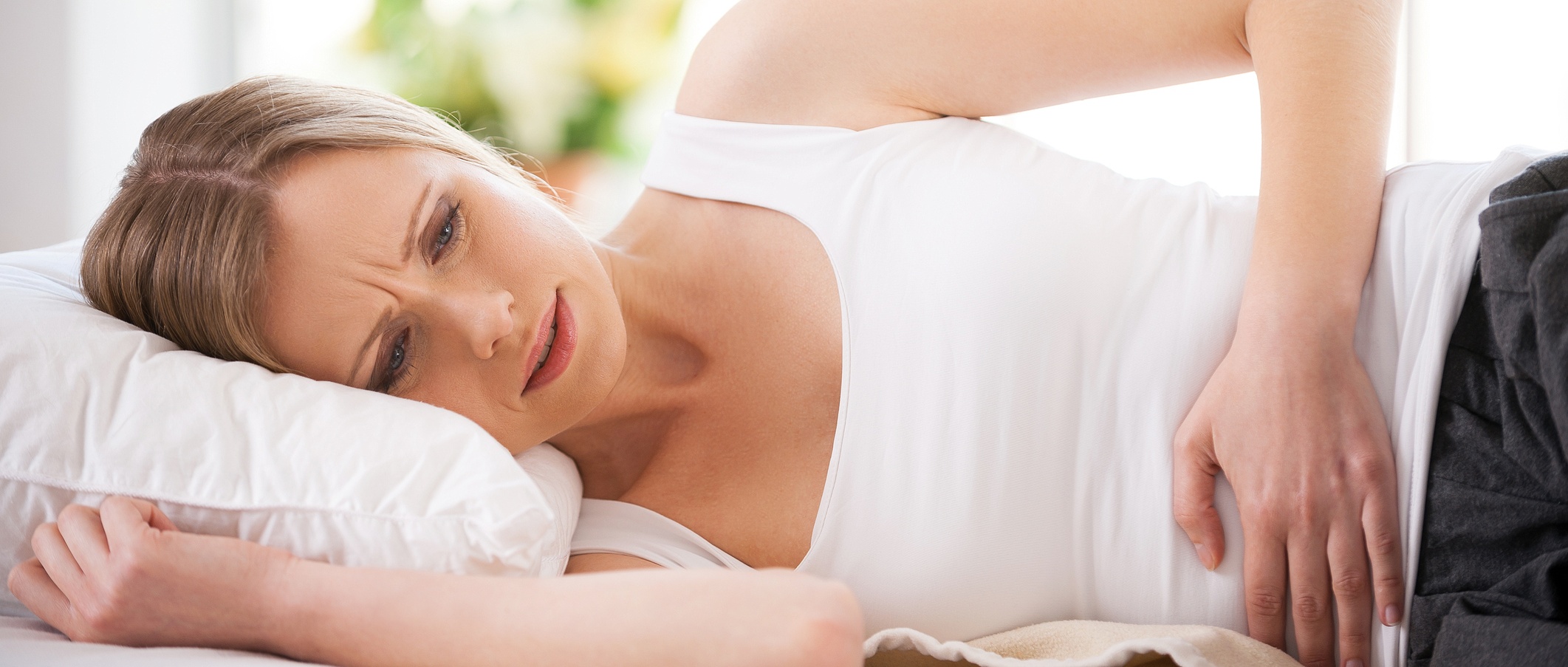
La réponse simple est oui ! Bien que les calculs biliaires soient souvent considérés comme une affection qui ne touche que ceux qui sont 'blonds, gros et âgés de 40 ans', la réalité est que vous pouvez en avoir à tout moment.
Thomas H. Lewis, an American surgeon, wrote for Brattleboro Memorial hospital saying ‘Patients showing symptoms of gallbladder disease are younger than they ever were before. Gallstones can appear in a person of any age, but the average age when they became a problem used to be when a person reached his or her forties, fifties or sixties. Now, patients with symptomatic gallstones tend to be in their thirties or forties. I’ve even had to remove gallbladders from teenagers. Something is going on.’
I should know, it happened to me
When I was at university I was diagnosed with gallstones, luckily for me my diagnosis was prompt. Unfortunately, though, people showing symptoms of gallstones but without matching the ‘fair, fat and 40’ stereotype are often misdiagnosed.
Georgia was in her early 20’s when she first started getting symptoms...
"I had been suffering with terrible stomach pains that occurred every couple of weeks or so as a very painful attack. I had visited my doctor’s surgery on several occasions, and they felt that the symptoms, along with my age and weight (being under 30 and fairly slim) indicated that I probably had a stomach ulcer. After six months of stomach ulcer treatment, I was finally given an ultrasound scan, and it was confirmed that gallstones had been causing me such problems."
Risk factor – being a woman
What doesn’t seem to be highlighted to the public is that women are at a significantly higher risk of developing this condition. Une étude found that women across the globe are twice as likely to develop gallstones as men. This is because gallstones are usually formed from cholesterol in bile (the fluid made by the liver and stored in the gall bladder). The female hormone oestrogen has been found to increase the amount of cholesterol in bile. Higher levels of cholesterol also potentially reduce the movement of the gallbladder, another reason for the formation of gallstones.
During fertile years, women have higher levels of oestrogen, particularly during pregnancy and when taking an oestrogen based contraceptive. Girls are also more likely to skip breakfast, which has been found to encourage gallstone formation.
I took an oestrogen based contraceptive pill for 7 years prior to my diagnosis but was never warned of gallstones as a potential side effect and (to be honest) even if I had, I probably wouldn’t have thought much of it.
The awareness of the risk factors and symptoms for gallstones needs to be better, particularly for women who have the ability to mitigate those risks.
What can young people do to reduce risk of developing gallstones?
Eat regularly
When trying to lose weight, people often skip meals and or cut down on their fat intake. This reduces the use and therefore movement of the gall bladder and this in turn increases the chance of stones developing.
For example, a study found that girls with gallstones were more likely to skip breakfast, creating a longer fasting period between the evening meal and their next meal the following day.
Maintain a healthy weight and if trying to lose weight, do it slowly
Although being a healthy weight reduces your risk of developing gallstones, rapid weight loss can increase the risk.
When weight is lost, fat cells reduce in size and hormones (including cholesterol) are released from them. Sudden weight loss also triggers the liver to create more cholesterol, and all these factors can lead to a build-up and development of stones.
Eat a balanced diet
In the UK we tend not to consume the recommended 18g of fibre per day, and low fibre intake along with a high intake of fat and refined carbohydrates have been found to increase your risk. Make sure you opt for plenty of wholegrains and avoid high fat, over processed foods.
Check your family history before choosing a oestrogen based contraceptive pill
There is evidence to show that genetics play a big part in your likelihood of developing gall stones. If you find that gall stones run in your family it may be worth looking at another method of contraception than the contraceptive pill.
Sélections des patients pour Foie et vésicule biliaire
Santé digestive
Quelle est la différence entre l'hépatite A, B et C ?
Vous avez probablement entendu parler de l'hépatite, mais connaissez-vous la différence entre l'hépatite A, B et C ? Elles sont toutes causées par des virus différents et, bien qu'elles aient des similitudes - notamment dans leurs symptômes - les traitements et les mesures préventives diffèrent.
par Emily Jane Bashforth
Santé digestive
Régime pour calculs biliaires : aliments à consommer et à éviter
1 femme sur 3 et 1 homme sur 6 développeront des calculs biliaires à un moment donné. Les calculs biliaires sont de petites pierres, généralement composées de bile, qui se forment dans votre vésicule biliaire. Ici, nous partageons les aliments qui peuvent prévenir les calculs biliaires, déclencher des symptômes inconfortables ou les améliorer.
par Amberley Davis
À propos de l'auteurVoir la biographie complète

Rose Constantine Smith, ANutr
Nutritionniste
BSc (Hons), ANutr
Rose has authored for several publications including The Healthy Food Guide and is a Nutrition and Wellbeing Manager for The Good Eating Co.
À propos du critiqueVoir la biographie complète
Rose Constantine Smith, ANutr
Nutritionniste
BSc (Hons), ANutr
Rose has authored for several publications including The Healthy Food Guide and is a Nutrition and Wellbeing Manager for The Good Eating Co.
Historique de l'article
Les informations sur cette page sont examinées par des cliniciens qualifiés.
Article également disponible en Anglais, Allemand, Espagnol, Français, Italien, Portugais, Hindi, Hébreu, Arabe, and Suédois.
9 oct. 2017 | Dernière version

Demandez, partagez, connectez-vous.
Parcourez les discussions, posez des questions et partagez vos expériences sur des centaines de sujets de santé.

Vous ne vous sentez pas bien ?
Évaluez vos symptômes en ligne gratuitement
Inscrivez-vous à la newsletter Patient
Votre dose hebdomadaire de conseils de santé clairs et fiables - rédigés pour vous aider à vous sentir informé, confiant et maître de la situation.
En vous abonnant, vous acceptez notre Politique de confidentialité. Vous pouvez vous désabonner à tout moment. Nous ne vendons jamais vos données.
Plus sur la santé digestive
- 6 remèdes naturels contre la constipation
- Régime pour le reflux acide : aliments à consommer et à éviter
- Pourrait-il s'agir de calculs biliaires ?
- Comment éviter l'intoxication alimentaire cet été
- Comment se débarrasser des gaz intestinaux : remèdes maison efficaces
- Comment prendre soin de votre foie
- Hypnothérapie pour le SII : l'axe intestin-cerveau
- Est-ce vraiment un reflux ? Pourquoi vous pourriez recevoir à tort des IPP
- Probiotiques pour le SII : sont-ils efficaces ?
- NouveauLait cru - est-il vraiment bon pour vous ou juste une autre tendance bien-être ?
- Les 5 meilleurs aliments probiotiques pour un intestin sain
- Les meilleurs aliments pour la santé intestinale - et pourquoi vous en avez besoin
- Le système digestif
- Que dit votre caca sur vous ?
- Que se passe-t-il si votre appendice éclate ?
- Quel est le meilleur régime pour la maladie de Crohn ?
- Quel est le lien entre le SII et l'anxiété ?
- Qu'est-ce que votre microbiome intestinal ?
- Mis à jourQuelle est la différence entre le SCI et la MICI ?
- Pourquoi y a-t-il eu une augmentation des cas d'hépatite chez les enfants ?