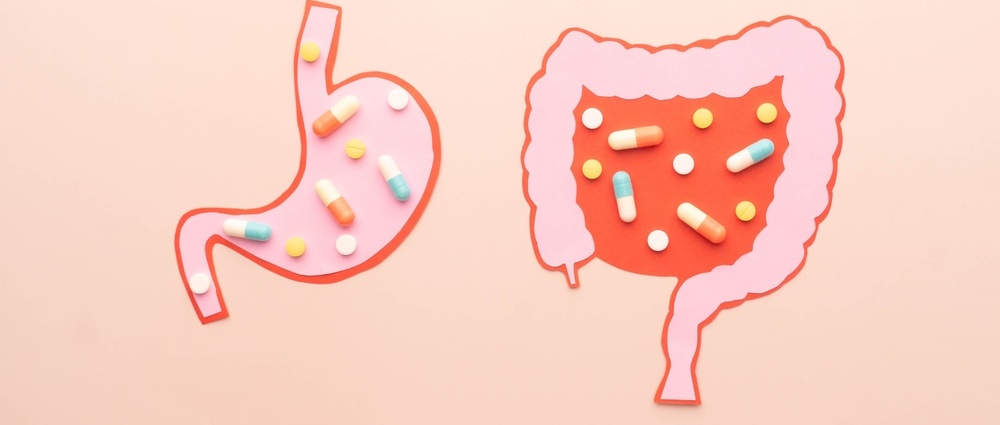
Quand s'inquiéter de l'indigestion
Revu par Dr Colin Tidy, MRCGPDernière mise à jour par Lynn StephenDernière mise à jour 11 déc. 2025
Respecte les directives éditoriales
- TéléchargerTélécharger
- Partager
- Language
- Discussion
- Version audio
- Ajouter aux sources préférées sur Google
La plupart d'entre nous souffrent d'indigestion de temps en temps, mais pour certains, c'est une gêne régulière. Comment pouvez-vous l'éviter, et quand devriez-vous vous inquiéter de l'indigestion ?
The medical term for indigestion is 'dyspepsia' - this includes several different types of stomach pain caused by issues with your digestive tract.
Symptoms of indigestion
Indigestion covers a variety of symptoms. The most common is pain - typically a burning pain in the top part of your stomach (upper abdomen), or travelling behind your breastbone.
However, indigestion can also cause:
Nausea or being sick.
Bloating of your tummy.
Rots.
Feeling full quickly when you eat.
Brûlures d'estomac.
How long can indigestion last?
In most cases, indigestion goes away in a few hours.
However, if you find you get indigestion often, or your symptoms last for more than two weeks, it could be a sign of a serious condition. In this case, it is important to talk to your doctor, as they may recommend tests to investigate the cause of your indigestion.
Causes of indigestion
Stomach acid
Indigestion is usually caused by inflammation in your stomach. This is often due to too much stomach acid, which your body makes to digest food. If this acid backs up into your food pipe (oesophagus), it can cause brûlures d'estomac - burning pain behind your breastbone, sometimes accompanied by a bitter liquid rising into your mouth. In the UK, 1 in 4 adults and 1 in 5 in the US regularly experience heartburn.
D'autres causes incluent :
Ulcers
Peptic ulcers include ulcers in your stomach and the area connecting the top of your gut to your stomach (duodenum).
Hernie hiatale
Hernie hiatale occurs when the top part of the stomach pushes up into the chest cavity, often causing heartburn.
Grossesse
Indigestion is common in pregnancy and around half of all pregnant women have indigestion at some point. Indigestion in pregnancy is usually due to reflux of acid from the stomach into the oesophagus.
Cancer de l'estomac
Indigestion can occasionally be a sign of stomach cancer, although this is rare and most people who have indigestion do not have stomach cancer. If it gets worse or does not get better after 3 weeks with usual medicines it is recommended to see your doctor, particularly if combined with other symptoms such as unintended weight loss, feeling sick, and blood in your poo.
Medicines that cause indigestion
Medicines are a common cause of indigestion.
Some of the most likely to cause it include:
Aspirine.
Comprimés anti-inflammatoires - may be taken for muscle pains or arthritis. These include medicines such as ibuprofen, diclofenac, and naproxène.
Tablets taken daily, weekly, or monthly to prevent ostéoporose, or 'thinning' of the bones (bisphosphonates).
Certains antibiotiques - especially érythromycine.
Medicines used for high blood pressure or sometimes angina (calcium antagonists).
If your indigestion starts, or becomes worse, shortly after you start taking one of these medicines, see your doctor. They may be able to change your tablets - or the time you take it - to stop indigestion from happening.
Germes
Sometimes a germ called Helicobacter pylori can make indigestion worse. Your doctor may perform a breath, poo (stool), or blood test for this and if necessary, give you a one-week course of treatment with three different tablets to get rid of it. This doesn't always work and it involves taking several tablets a day and often having to avoid alcohol for a week, but it can reduce the chance of symptoms returning.
How to treat indigestion
Inhibiteurs de la pompe à protons
Tablets such as proton pump inhibitors (PPIs) - for example, oméprazole, lansoprazole and, ésoméprazole - help to keep stomach acid under control and hopefully ease the symptoms of indigestion.
Home remedies for indigestion
There are several home remedies that have proved to be effective in treating indigestion in the short-term.
Celles-ci peuvent inclure :
Chamomile tea.
Peppermint tea.
Apple cider vinegar.
Ginger.
Fennel seed.
However, home remedies should not be relied upon if your symptoms last for more than two weeks or worsen.
If you have any pre-existing health conditions, you should also talk to your doctor before trying any of these.
When to see a doctor about indigestion
Indigestion and heartburn are rarely due to a serious cause, but there are some possible warning signs which should be checked out by a doctor.
Ils incluent :
Severe pain which doesn't settle with remedies from your pharmacist or doctor.
Being 'off' your food or perdre du poids for no obvious reason.
Food sticking when you swallow, or severe pain on swallowing.
Blood in your poo, especially if it's dark red and mixed in with the poo.
Feel generally unwell - which can be down to l'anémie - or tired.
Persistent bloating that lasts for three weeks or longer - which could in rare cases be caused by cancer de l'ovaire.
Seek immediate attention by calling for an emergency ambulance (999 in the UK) if:
You are being sick with blood or black coffee grounds like substance in your vomit.
You have black, tarry poos or blood continuously dripping (not stopping) from your bottom.
Enquête complémentaire
Your doctor may recommend further investigations for any of these reasons:
If you have a past history of peptic ulcer.
A condition called Œsophage de Barrett.
If you develop persistent indigestion or reflux - especially with régime amaigrissant over the age of 55.
There are two main investigations to check what may be the cause of your long term indigestion:
Des gastroscopie - a small flexible tube is passed down your throat, sometimes under sedation, to look inside your stomach. This is done as a day case in hospital but you'll need someone to take you home afterwards.
Des coloscopie - done where an abnormality of the lower bowel is suspected. You take medicines at home to empty your gut completely, then go in as a day case to hospital and have a small flexible tube passed up from your bottom to examine your large bowel.
Prévenir l'indigestion
There's much that you can do to relieve or prevent your symptoms happening in the first place.
In heartburn, lying down often brings on the issue because the acid doesn't have to travel against gravity up into your food pipe. Propping the head of your bed up on a couple of risers may help.
So too can perdre du poids, avoiding tight belts or trousers and staying away from large meals or eating too close to bedtime.
For other indigestion, you may find that some foods such as peppermint, tomatoes, alcohol or spicy foods are best avoided.
Your pharmacist can advise on short-term remedies or a course of tablets to relieve the discomfort. You could also try des probiotiques.
Sélections des patients pour Indigestion et brûlures d'estomac
Santé digestive
Régime pour le reflux acide : aliments à consommer et à éviter
Si vous ressentez une douleur brûlante dans la poitrine ou remontant dans la gorge après avoir mangé, vous souffrez probablement de reflux acide - une sensation plus communément décrite comme des brûlures d'estomac. Certains aliments sont plus susceptibles de déclencher ce symptôme gênant et inconfortable. Donc, si cela revient après les repas, il peut être utile de regarder comment vous mangez ainsi que ce que vous mangez.
par Lynn Stephen

Santé digestive
Comment se débarrasser de l'indigestion
L'indigestion est extrêmement courante et peut affecter les personnes de différentes manières. Heureusement, il existe des moyens de la gérer, la plupart étant de simples changements de mode de vie.
par Emily Jane Bashforth
À propos de l'auteurVoir la biographie complète

Dr Sarah Jarvis
Consultant Clinique
MA (Cantab), BM, BCh (Oxon), DRCOG, FRCGP, MBE
Après avoir suivi une formation en médecine à Cambridge et Oxford, le Dr Sarah Jarvis MBE est devenue médecin généraliste.
À propos du critiqueVoir la biographie complète

Dr Colin Tidy, MRCGP
Médecin généraliste, Auteur médical
MBBS, MRCGP, MRCP (Paediatrics), DCH
Le Dr Colin Tidy est un médecin du NHS, basé dans l'Oxfordshire.
Historique de l'article
Les informations sur cette page sont examinées par des cliniciens qualifiés.
Article également disponible en Anglais, Allemand, Espagnol, Français, Italien, Portugais, Hindi, Hébreu, Arabe, and Suédois.
Next review due: 10 Dec 2028
11 déc. 2025 | Dernière version
9 fév 2018 | Publié à l'origine
Écrit par :
Dr Sarah Jarvis

Demandez, partagez, connectez-vous.
Parcourez les discussions, posez des questions et partagez vos expériences sur des centaines de sujets de santé.

Vous ne vous sentez pas bien ?
Évaluez vos symptômes en ligne gratuitement
Inscrivez-vous à la newsletter Patient
Votre dose hebdomadaire de conseils de santé clairs et fiables - rédigés pour vous aider à vous sentir informé, confiant et maître de la situation.
En vous abonnant, vous acceptez notre Politique de confidentialité. Vous pouvez vous désabonner à tout moment. Nous ne vendons jamais vos données.
Plus sur la santé digestive
- 6 remèdes naturels contre la constipation
- Régime pour le reflux acide : aliments à consommer et à éviter
- Appendicite chez les enfants : quels sont les signes ?
- Les symptômes du SII diffèrent-ils chez les hommes et les femmes ?
- Pourrait-il s'agir de calculs biliaires ?
- Maladie de Crohn chez les enfants : Comment soutenir votre enfant
- Régime pour le foie gras : aliments à consommer et à éviter
- Brûlures d'estomac la nuit : comment améliorer la qualité du sommeil avec des brûlures d'estomac
- Comment gérer votre reflux acide à Noël
- Hypnothérapie pour le SII : l'axe intestin-cerveau
- Selles - qu'est-ce qui est normal ?
- Les meilleurs aliments pour la santé intestinale - et pourquoi vous en avez besoin
- Quelles sont les causes des crampes d'estomac nocturnes ?
- Quel est le lien entre le SII et l'anxiété ?
- Qu'est-ce que votre microbiome intestinal ?
- Qu'est-ce que l'hépatite auto-immune et en quoi diffère-t-elle des autres formes ?
- Qu'est-ce qui cause votre douleur abdominale inférieure ?
- Quelle est la différence entre l'hépatite A, B et C ?
- Mis à jourQuelle est la différence entre le SCI et la MICI ?
- Pourquoi y a-t-il eu une augmentation des cas d'hépatite chez les enfants ?