
Que faire si vous êtes piqué par une méduse
Revu par Dr Colin Tidy, MRCGPDernière mise à jour par Victoria RawDernière mise à jour 17 juil. 2025
Respecte les directives éditoriales
- TéléchargerTélécharger
- Partager
- Language
- Discussion
- Version audio
- Ajouter aux sources préférées sur Google
Environ 150 millions de personnes sont piquées par des méduses dans le monde chaque année. Alors que certaines peuvent être inoffensives, d'autres ne le sont pas, donc agir rapidement est essentiel pour traiter une piqûre et prévenir des effets secondaires graves ou la mort. Découvrez ici ce qu'il faut faire et ce qu'il faut éviter.
À quoi ressemble une piqûre de méduse ?
Les symptômes d’un jellyfish sting usually include an itchy, sometimes douloureuse. If more severe this rash may blister, before filling with pus and rupturing.
La méduse peut également laisser une marque de ses tentacules, généralement rouge, brune ou violette. La peau sera très sensible et douloureuse.
Quel type de piqûre de méduse est le plus dangereux ?
De nombreuses espèces de méduses sont inoffensives pour l’être humain. Au Royaume-Uni, la plupart des piqûres de méduse ressemblent à celles des orties et provoquent une éruption cutanée similaire, accompagnée de picotements. Les espèces présentes dans les eaux britanniques qui provoquent des piqûres plus intenses sont la méduse à crinière de lion et la méduse mauve, dont les piqûres peuvent provoquer une sensation de décharge électrique. Bien qu’elle reste rare, la galère portugaise est observée de plus en plus fréquemment sur la côte ouest du Royaume-Uni.
Other types of jellyfish which can give a more severe sting include:
Cuboméduses - found in the Pacific and Indian oceans.
Physalie - found in warmer seas.
Chrysaore - found along the northeast coast of the United States.
Guêpe de mer - found around Australia and Southeast Asia.
La durée d’exposition aux tentacules urticants influe également sur la gravité de la piqûre, tout comme la surface de peau touchée. Les enfants et les personnes souffrant d’autres problèmes de santé sont les plus susceptibles de présenter des réactions graves.
Dans de rares cas, certaines personnes qui ont été piquées peuvent avoir une réaction allergique grave (anaphylaxie) and will require emergency care.
Les symptômes peuvent inclure :
Choc.
Douleur intense.
Swelling of the lips, tongue, mouth, throat, neck, ears, eyelids, palms, or soles of the feet.
Difficulté à respirer.
Combien de temps dure une piqûre de méduse ?
Most people will feel an intense pain immediately after the sting - which usually lasts between 1-2 hours. The itchy sensation, on the other hand, can last up to a week, and several weeks in more severe cases.
Certaines piqûres de méduses peuvent provoquer une réaction dans tout votre corps, notamment :
Faiblesse.
Douleurs d'estomac.
Transpiration excessive.
Traitement d’une piqûre de méduse
Conseils essentiels pour soigner une piqûre de méduse :
Rincez la zone touchée à l’eau de mer dès que possible.
Utilisez une pince à épiler pour retirer les tentacules de méduse visibles qui pourraient être restés accrochés à votre peau, ou grattez-les avec une carte de crédit. Ne retirez jamais les filaments urticants à mains nues.
Faites tremper votre peau dans de l’eau chaude, soit en l’immergeant dans un bol, soit en utilisant un gant de toilette. Veillez à ce que l’eau soit aussi chaude que vous pouvez le supporter sans vous brûler.
Maintenez votre peau immergée dans l’eau pour apaiser la brûlure, en laissant couler de l’eau chaude dessus pendant au moins 20 minutes.
Prenez un antidouleur à action rapide si nécessaire, comme du paracétamol ou de l’ibuprofène.
Appliquez une lotion à la calamine ou une crème à l’hydrocortisone si nécessaire.
Ne couvrez pas la plaie.
Quand consulter un médecin après une piqûre de méduse
Si vous passez vos vacances à l’étranger, après avoir suivi les étapes ci-dessus, consultez un médecin, car vous risquez de moins bien savoir ce qui vous a piqué. Mieux vaut prévenir que guérir.
Si votre vaccination contre le tétanos n’est pas à jour, vous devrez consulter un médecin pour recevoir une dose de rappel.
In rare cases, jellyfish stings can be life-threatening. As the sting develops, there’s a chance you might need urgent medical attention.
You should seek emergency health care straight away.
Appelez les services d’urgence (999 au Royaume-Uni) si la personne a été piquée :
Has signs of an anaphylactique reaction.
A des difficultés à respirer.
Ressent des douleurs thoraciques.
Starts having a crise d’épilepsie.
Vomit.
Saigne abondamment.
Développe un gonflement important autour de la piqûre.
Perd connaissance.
Parfois, les piqûres de méduse peuvent devenir infectées. Veuillez consulter immédiatement un médecin si vous présentez des signes d’infection, par exemple si la plaie devient plus douloureuse, si la rougeur s’accentue ou si vous avez de la fièvre.
Est-ce que l’urine soulage une piqûre de méduse ?
You should not pee on a jellyfish sting. This is just a myth and there is no evidence that pee has any benefit.
In fact, studies have shown the opposite. Your pee contains compounds such as ammonia and urea, which could be helpful on their own if you’ve been stung. However, since pee contains a lot of water, rinsing your sting with it means the ammonia and urea will be too diluted to be of any use.
First aid treatment is the primary concern when dealing with jellyfish stings. You should focus on removing the tentacles from your skin and treating the contacted area to avoid the further release of nematocysts - the thousands of tiny cells on their tentacles.
Réagir rapidement après une piqûre peut éviter une augmentation de la quantité de venin et potentiellement sauver une vie.
Comment éviter de se faire piquer par une méduse
To reduce your chances of being stung by a jellyfish, you can avoid water during jellyfish season from mid-spring through to late summer and early autumn. However, this isn't always possible, especially as summer time is holiday season.
Voici quelques mesures de protection à prendre lorsque vous nagez dans des eaux où il pourrait y avoir des méduses :
Surveillez les panneaux d’avertissement sur les plages, qui vous signalent la présence de méduses ou d’autres créatures marines.
Renseignez-vous auprès des maîtres-nageurs ou des autorités avant de vous baigner en eau libre afin de connaître les dangers.
Ne touchez jamais une méduse, même si vous pensez qu’elle est morte.
Portez une combinaison de protection et des chaussures lorsque vous nagez en eau libre.
Portez des sandales lorsque vous marchez dans une eau peu profonde ou sur un fond rocheux.
Découvrez comment se déplacent les méduses : elles ont tendance à suivre les courants océaniques.
Assurez-vous de savoir quoi faire si vous ou quelqu’un d’autre vous faites piquer.
Sélections des patients pour Piqûres et morsures
Santé de la peau, des ongles et des cheveux
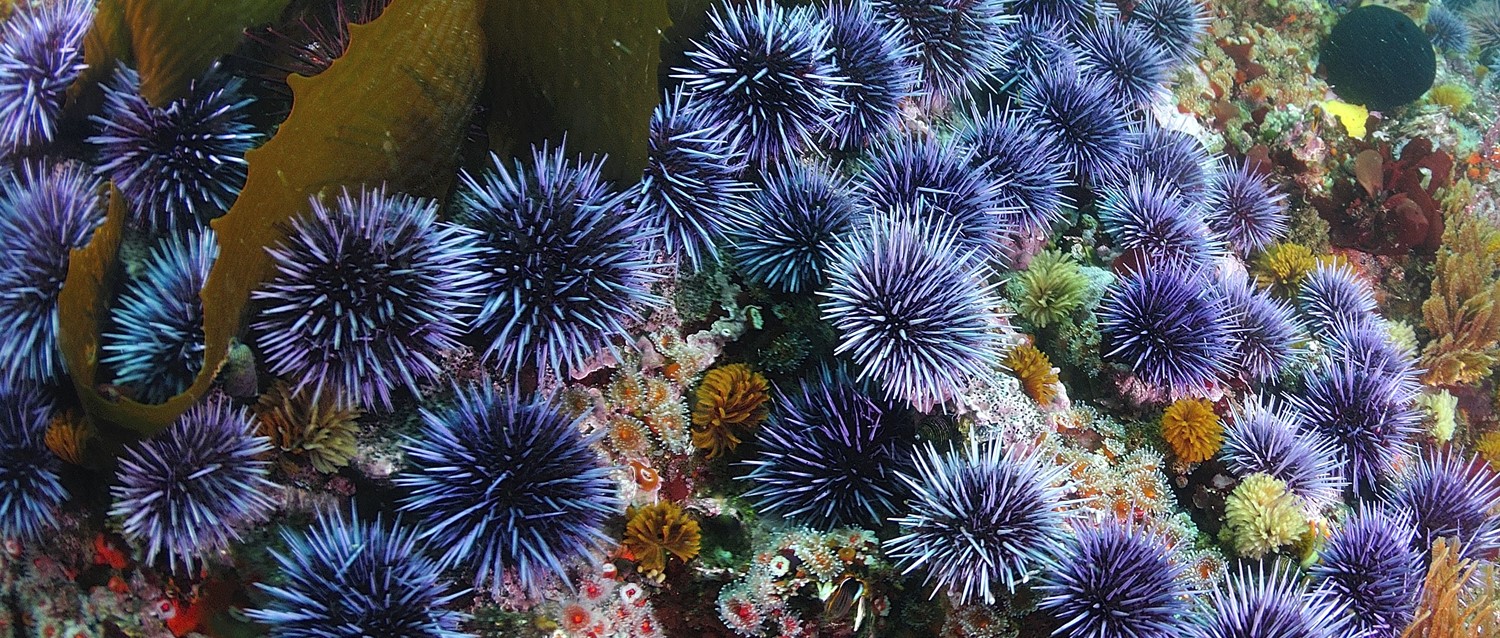
Que faire si vous êtes piqué par un oursin
Bien que de nombreuses piqûres d'oursins puissent être bénignes et que leurs symptômes disparaissent en quelques jours, il existe une possibilité qu'elles s'infectent gravement. Par conséquent, il est important de savoir comment agir dans ces situations et quand demander de l'aide professionnelle.
par Emily Jane Bashforth

Santé de la peau, des ongles et des cheveux
Piqûres et morsures d'insectes
Insect bites and stings usually cause mild reactions such as pain, itching, and swelling. However, in rare cases can lead to a serious allergic response (anaphylaxis) or infection. Treatment focuses on symptom relief and urgent medical attention if symptoms worsen.
par Dr Rosalyn Adleman, MRCGP
À propos de l'auteurVoir la biographie complète
Mis à jour par

Victoria Raw
Auteur de chroniques
Licence (Hons), Littérature anglaise
Victoria est rédactrice de contenu chez Patient, avec des intérêts particuliers couvrant le bien-être mental, les tendances sociétales et l'impact de la technologie sur notre santé.
Rédigé par

Emily Jane Bashforth
Auteur de chroniques
NCTJ
Emily est rédactrice spécialisée chez Patient, écrivant des articles sur une variété de sujets liés à la santé et au bien-être.
À propos du critiqueVoir la biographie complète

Dr Colin Tidy, MRCGP
Médecin généraliste, Auteur médical
MBBS, MRCGP, MRCP (Paediatrics), DCH
Le Dr Colin Tidy est un médecin du NHS, basé dans l'Oxfordshire.
Historique de l'article
Article également disponible en Anglais, Allemand, Espagnol, Français, Italien, Portugais, Hindi, Hébreu, Arabe, and Suédois.
Prochaine révision prévue : 18 juil. 2027
17 juil. 2025 | Dernière version
19 Aug 2022 | Publié à l'origine
Écrit par :
Emily Jane Bashforth
Participez à la conversation
Partagez vos pensées ou expériences avec les autres dans notre communautés de patients.

Demandez, partagez, connectez-vous.
Parcourez les discussions, posez des questions et partagez vos expériences sur des centaines de sujets de santé.

Vous ne vous sentez pas bien ?
Évaluez vos symptômes en ligne gratuitement
Inscrivez-vous à la newsletter Patient
Votre dose hebdomadaire de conseils de santé clairs et fiables - rédigés pour vous aider à vous sentir informé, confiant et maître de la situation.
En vous abonnant, vous acceptez notre Politique de confidentialité. Vous pouvez vous désabonner à tout moment. Nous ne vendons jamais vos données.