
How to avoid traveller’s diarrhoea
Revu par Dr Sarah Jarvis MBE, FRCGPDernière mise à jour par Dr Colin Tidy, MRCGPDernière mise à jour 28 Nov 2017
Respecte les directives éditoriales
- TéléchargerTélécharger
- Partager
- Language
- Discussion
- Version audio
Getting la diarrhée du voyageur can totally ruin your holiday and unfortunately it’s fairly common. Thankfully for most people who do succumb to the illness, it’s mild and gets better after a few days. But there are many things you can do to reduce your risk of getting diarrhoea so that you can enjoy your holiday.
Dans cet article:
Sélections vidéo
Continuez à lire ci-dessous
Eating and drinking
There are certain foods that are much more likely to cause a problem. You should avoid uncooked meat or seafood, shellfish and any food that contains raw or undercooked eggs such as mayonnaise or sauces. While the Food Standards Agency has put runny and raw eggs back on the menu in the UK for everyone, including pregnant women and the elderly, this only applies to British eggs stamped with the Lion brand. In other countries, raw eggs can carry a risk of salmonella. it's also really important to keep away from salads and peeled fruits, which may have become contaminated with bugs during the food preparation.
Be very careful when you’re eating out in restaurants as you’ve got no control over how the food has been prepared. Make sure the food has been cooked through thoroughly and is hot when it’s served.
You should also be very careful if you’re eating food from markets or street vendors, or a buffet. You shouldn’t eat any food if you are uncertain about whether it has been kept hot or kept refrigerated. Ice cream can also cause a problem unless it’s been made from safe water. It’s usually perfectly safe to eat canned food or food in sealed packs. And fresh bread is usually safe.
Drinks can also be a problem if you’re not careful. You should avoid drinking tap water, even when it’s frozen into ice cubes. You should also stay away from unpasteurised milk and any fruit juices sold by street vendors. It is usually safe to drink bottled water, fizzy drinks that are in sealed bottles or cans, tea, coffee or any alcohol drinks.
Hand washing
Retour au sommaireThis is always really important whether you’re at home or on holiday. Always wash your hands regularly, especially before preparing food or eating, and after going to the toilet. Make sure you dry your hands thoroughly after washing them.
It may be a good idea to take antibacterial hand gel whenever you travel in case soap and hot water are not available.
Continuez à lire ci-dessous
La natation
Retour au sommaireBe careful where you swim. Any contaminated water can cause traveller’s diarrhoea. Try to avoid swallowing any water when you swim. Even if you don’t think you’ve swallowed any water it’s still very difficult to stop small amounts of any contaminated water getting into your mouth.
Vaccinations
Retour au sommaireThere are no vaccines that prevent traveller's diarrhoea but you should always check about vaccines when you travel abroad. That's because there are other infections you may need to prevent, such as hépatite A ou typhoid, depending on where you are going. You may also need to take malaria tablets when travelling to certain countries where paludisme can be a problem.
Continuez à lire ci-dessous
Antibiotiques
Retour au sommaireIf you otherwise fit and well with no health concerns, antibiotics are not generally recommended for preventing traveller's diarrhoea.
Antibiotics are only effective against bacteria and bacterial infections aren’t the only cause of traveller’s diarrhoea. Antibiotics won’t stop infection with viruses or parasites. Antibiotics can also cause side-effects so on balance it's best for most people to avoid taking antibiotics if they’re just being used for preventing diarrhoea.
However, antibiotics may be a good idea for some people who are at high risk of becoming very unwell if they get traveller’s diarrhoea. For example, people whose immune system isn’t working properly such as if you have HIV infection, sickle cell disease or diabète de type 1, or if you're being treated with chemotherapy medicines for cancer. If you have a condition affecting the bowel, such as Crohn’s disease or la colite ulcéreuse, or have an ileostomy or colostomy, then you may also be advised to take antibiotics to prevent traveller’s diarrhoea. Ciprofloxacin is the usual antibiotic that is used.
Probiotiques
Retour au sommaireProbiotiques are live bacteria and yeasts that are usually added to yoghurts or taken as food supplements. They are often described as containing 'friendly bacteria' because they can help restore the natural balance of bacteria in your bowel. Probiotics do have some effect on preventing traveller's diarrhoea and can shorten an attack by about one day. There are no specific recommendations about probiotics for traveller’s diarrhoea because it's not yet known exactly which type of probiotic or what doses are needed to be effective.
General travel advice
Retour au sommaireYou should always get travel advice before you go abroad. You can either visit your GP surgery or travel clinic for health advice and any vaccinations if you need them. The Page de conseils de voyage par pays gives specific information for different countries, including information about any vaccinations required, and advice about food, water and personal hygiene precautions.
Sélections des patients
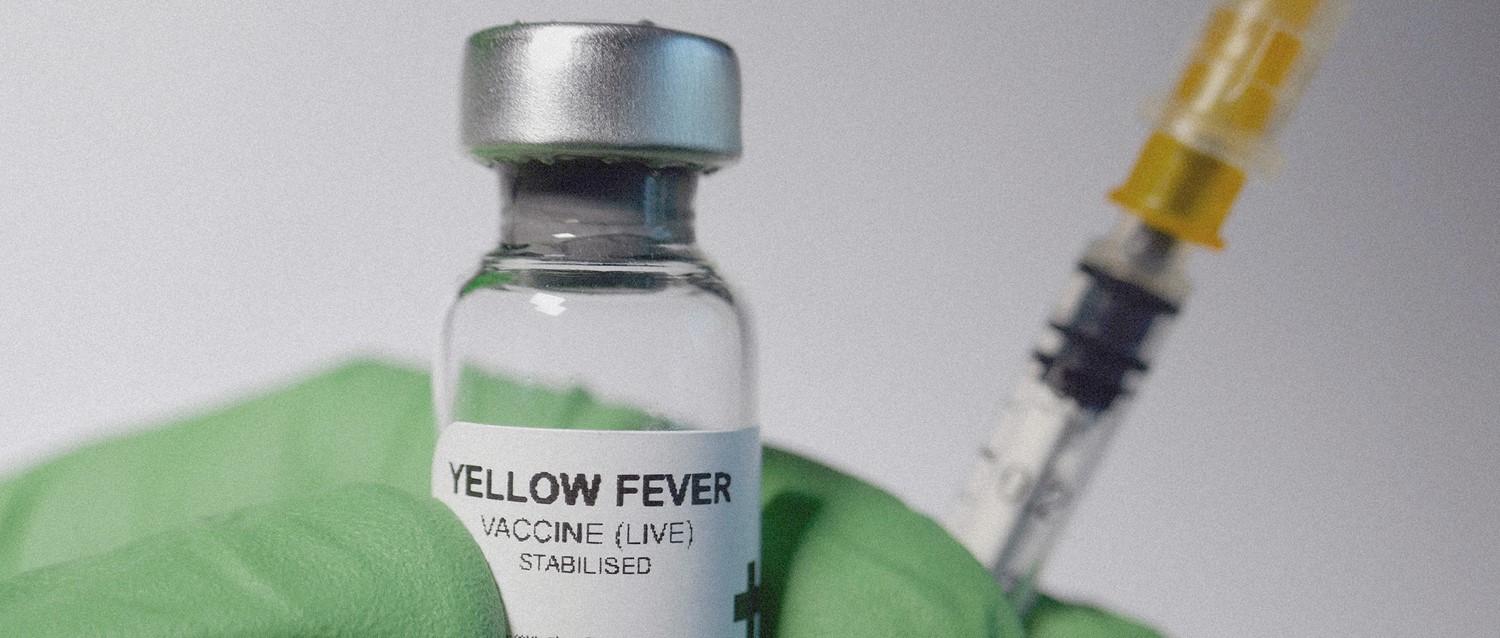
Voyages et vaccinations
Quels sont les effets secondaires associés au vaccin contre la fièvre jaune ?
Yellow fever is endemic to many countries in Latin America and Africa and can often be fatal. Vaccination is currently the best protection against this deadly disease - but what are the risks?
by Léa Surugue
Voyages et vaccinations
Holiday first aid kit essentials
Having the right first aid items to hand when you go on holiday can prevent a simple accident from turning into a catastrophe. So what shouldn’t you leave home without?
par Danny Chadburn
Continuez à lire ci-dessous
Historique de l'article
Les informations sur cette page sont examinées par des cliniciens qualifiés.
28 Nov 2017 | Dernière version

Demandez, partagez, connectez-vous.
Parcourez les discussions, posez des questions et partagez vos expériences sur des centaines de sujets de santé.

Vous ne vous sentez pas bien ?
Évaluez vos symptômes en ligne gratuitement
Inscrivez-vous à la newsletter Patient
Votre dose hebdomadaire de conseils de santé clairs et fiables - rédigés pour vous aider à vous sentir informé, confiant et maître de la situation.
En vous abonnant, vous acceptez notre Politique de confidentialité. Vous pouvez vous désabonner à tout moment. Nous ne vendons jamais vos données.