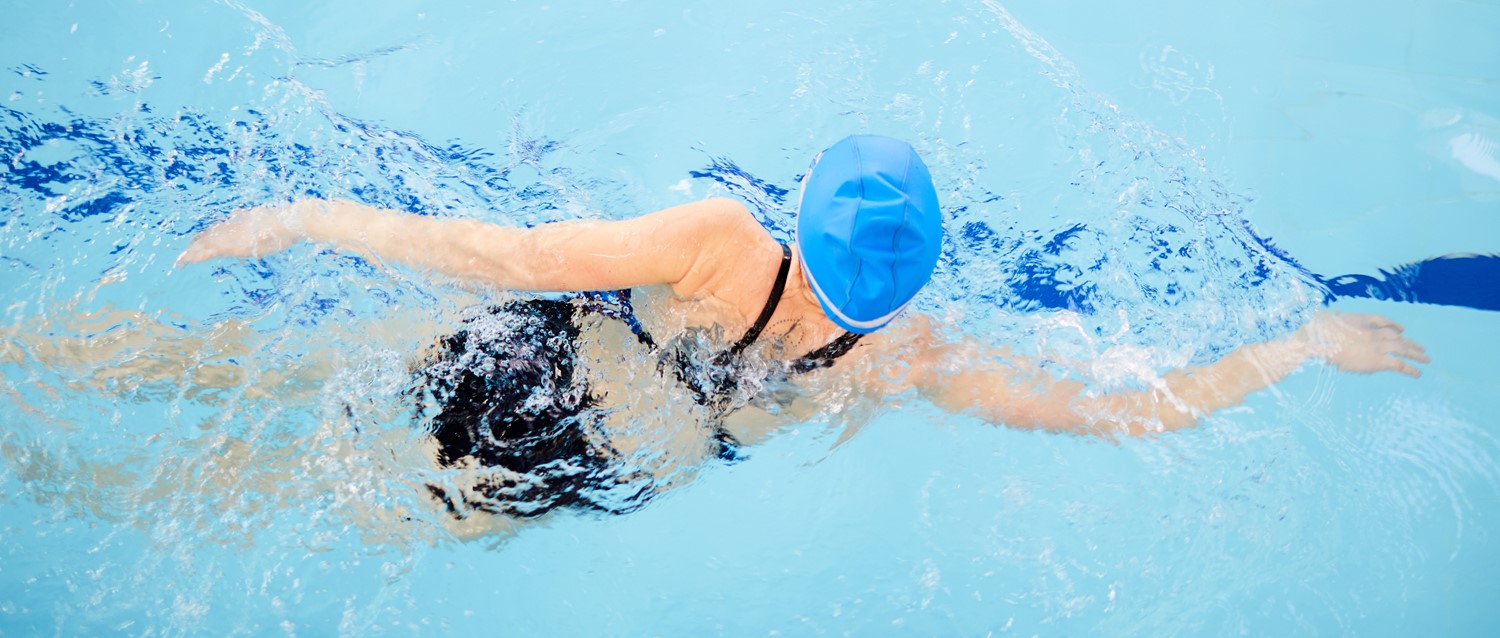
Should you eat before swimming and what types of food are best?
Peer reviewed by Dr Sarah JarvisAuthored by Emily Jane BashforthOriginally published 22 Dec 2021
Meets Patient’s editorial guidelines
- DownloadDownload
- Share
- Language
- Discussion
- Audio Version
- Add to preferred sources on Google
You've probably heard the rumour that you shouldn't eat before going swimming, because it will make you sink to the bottom. Perhaps you were told it as a child. But what's the truth behind that? Can you eat before going swimming? And if so, what foods are best for enhancing your performance?
Should you eat before going swimming?
Dr Charlotte Norton says that while swimming is great exercise, the body needs food to perform at an optimum level.
"This can pose a challenge, since the horizontal body position when swimming can make gastric reflux a problem, causing you to feel nauseous and impact your overall performance. It is therefore impractical to consume a large meal close to swimming. I would recommend eating around 2-4 hours before swimming to allow time for digestion, or for a smaller snack, two hours."
There was a time when scientists were seriously investigating whether eating before swimming could cause 'paralysing cramps'. In the 1960s, multiple studies investigated whether eating before swimming impacted the performance of athletes, or resulted in any kind of nausea.
One small but well-designed study, however, found that there was no truth to this. In 1968, scientists fed 24 swimmers a hearty breakfast of cereal, toast, sugar, butter and whole milk, then had them wait for varying periods of time before swimming laps of a pool. Afterwards, none of the athletes reported experiencing any cramping or nausea. They didn't even need to slow down at any point while swimming, according to the study.
Today, since we are much more aware of the facts, eating before swimming is unlikely to pose any dangers. A study in 2011 found that it was unnecessary to implement food restrictions prior to swimming, and there was little scientific evidence to support it. There has also never been a recorded case of someone drowning solely because they ate before swimming.
What are the benefits of eating before swimming?
Dr Norton says that eating before a swim, or before any type of workout, helps to fuel the body. This gives you more energy and stamina to improve your performance. She says this is especially so if you are new to a sport.
"Eating properly before a swim helps to develop your strength and cardiovascular fitness to improve your overall performance. It is worth noting that carbohydrates are the main fuel for exercise, and when consumed are stored in the muscles and liver as glycogen," she adds.
Eating before swimming is especially important if you are new to swimming. Eating the right foods at the right times can have a greater positive impact on your strength and fitness, and you will see improvements in your competitive performance at a faster rate.
Waiting a couple of hours after eating before entering the pool is also important to ensure you feel the full refuelling benefits. Meals containing slow-release carbs can take time to digest. This could cause you to feel bloated and low in energy if you go swimming too soon.
When you eat, your body will send your blood supply to the digestive system to help break down and process the foods you are eating. During exercise, the blood supply is directed towards your muscles.
Swimming too soon after eating your pre-swim meal will result in both your digestive system and your muscles not getting the blood supply they need to function efficiently.
What to eat before swimming?
Dr Norton recommends foods that are a good source of carbohydrates:
Porridge oats.
Pasta.
Whole grain bread.
Sweet potatoes.
Beans.
Peas.
However, if you simply want to feel energised before your swim and fancy a more exciting meal, you could eat:
Bagels.
Smoothies.
Yoghurt.
Eggs.
Bananas.
What should you avoid eating before swimming?
"You should avoid any foods that are known to cause gastrointestinal distress, including foods that contain excess fibre, fat, spices, alcohol, and caffeine," says Dr Norton, as these foods are not conducive to exercise and may cause stomach upset, diarrhoea and sickness.
Since fatty foods are harder for your body to digest, avoiding them before a swim can prevent indigestion and discomfort while swimming.
You should also avoid foods you haven't tried before and those which you aren't familiar with in terms of the effect they can have on your body, as well as high-sugar food and drinks, like sweets or fizzy drinks.
Why does swimming make you hungry?
It's natural for any form of exercise to make you hungry, since exercising uses a lot of energy. However, Dr Norton suggests swimming might make you hungry in particular because of the temperature of the pool.
"Usually during a workout, digestion is suspended as blood is taken away from the stomach towards the skin to release excess heat from the body. This suppresses any feelings of hunger. However, most swimming pools are 10°C below body temperature, and blood is not taken away from the stomach and digestion continues. This may cause you to feel hungry either during, or directly after your swim."
How long after swimming should you wait before eating?
Dr Norton recommends eating within the hour you finish your swim - ideally 20-30 minutes after. This will help to restore your energy levels and give your body the nutrients it needs to repair itself.
Eating as soon as possible after your swim - especially if it was a hard session - will kickstart the growth process sooner, and ensure your body is improving and gaining strength.
What foods are best to eat after swimming?
"I recommend eating a high (unrefined) carb, yet balanced meal that contains a good amount of protein to help repair your body's worn-out tissues," says Dr Norton, recommending including eggs, vegetables and perhaps low-fat chocolate afterwards.
A variety of fresh fruits and vegetables is especially crucial to ensure you maintain vitamins, minerals and antioxidants.
For your main post-swim meal, you should try to include good sources of lean proteins. These might be lean chicken, turkey or oily fish. With these, you could add a jacket sweet potato or brown rice.
Olympic gold medallist and swimming champion Adam Peaty discussed the importance of protein in an interview with The Telegraph, saying that during a tough winter training block, he could eat 6,000-8,000 calories a day to fuel both his training and recovery.
"I try to keep things interesting by eating my protein on a cycle. For example, steak on Monday, chicken on Tuesday, and fish on Wednesday. I get through a lot of scrambled eggs, and piles of veg and rice too."
It's also good to consider foods that are high in carbohydrates. Often after a swim, your glycogen levels in your muscles are depleted. These need to be refilled to regain energy fast. To do this, you could consume:
Mixed fruit.
Cereal.
Yoghurt.
Toast.
What you eat after a swim can be just as important as what you eat before a swim, so it's a good idea to plan out your meals beforehand.
If you are on the go, instant recovery foods are extremely useful. These might be recovery drinks or bars that will provide a protein boost to start repairing those muscle fibres.
Weight loss isn't everyone’s goal with swimming. However, if it is yours, you might want to focus on foods that have a low glycaemic index (GI) score after swimming. Choosing food with a low GI score will help you feel fuller for longer. This will make you less inclined to snack.
How can you adapt your diet on an everyday basis to improve your swimming performance?
Nutrition has a big impact on your performance as a swimmer. Without sufficient protein, your muscles cannot grow. Without enough calcium, magnesium and potassium, your muscles cannot contract and relax at the correct times. Also, if you eat too much sugar at the wrong time, you are susceptible to weakness and fatigue as your blood sugar rises quickly, then plummets.
If you swim competitively, you might feel pressured to eat in certain ways, or restrict your food intake, since the sport puts your body on full display. However, you cannot be the best possible swimmer if your body is not nourished.
"Always listen to your body and what it needs. Maintain a healthy diet in which you consume plenty of carbohydrates and proteins to support your body and energy levels. Also, try not to partake in strenuous exercise every day, as this will impact your recovery and could result in injury. Instead, incorporate some time each week for rest," says Dr Norton.
Patient picks for Exercise and physical activity
Healthy living
How to embrace fitness after 50
You already know it's worth making exercise a priority. But, if you're over 50 and haven't laced up your trainers since secondary school PE class, it can be a real struggle to get going. We spoke to the experts about the health benefits of taking up exercise after 50, and how to make sure your shiny new gym membership doesn't go to waste.
by Sarah Graham

Healthy living
Keeping kids active over Christmas
During the festive season most of us look forward to having a rest, treating ourselves to some delicious food and generally making merry. But while it's nice to give ourselves a break once in a while, two weeks of inactivity can really take its toll on our fitness. And for children, staying active is particularly important.
by Gillian Harvey
About the authorView full bio
Authored by

Emily Jane Bashforth
Feature Writer
NCTJ
Emily is a Feature Writer with Patient, writing articles on a variety of topics relating to health and well-being.
About the reviewerView full bio

Dr Sarah Jarvis
Clinical Consultant
MA (Cantab), BM, BCh (Oxon), DRCOG, FRCGP, MBE
After training in medicine at Cambridge and Oxford, Dr Sarah Jarvis MBE became a GP.
Article history
Article also available in English, German, Spanish, French, Italian, Portuguese, Hindi, Hebrew, Arabic, and Swedish.
22 Dec 2021 | Originally published
Authored by:
Emily Jane BashforthPeer reviewed by
Dr Sarah Jarvis
Join the conversation
Share your thoughts or experiences with others in our patient communities.

Ask, share, connect.
Browse discussions, ask questions, and share experiences across hundreds of health topics.

Feeling unwell?
Assess your symptoms online for free
Sign up to the Patient newsletter
Your weekly dose of clear, trustworthy health advice - written to help you feel informed, confident and in control.
By subscribing you accept our Privacy Policy. You can unsubscribe at any time. We never sell your data.