
Comment boire en toute sécurité pendant Noël et le Nouvel An
Revu par Dr Krishna Vakharia, MRCGPDernière mise à jour par Amberley DavisDernière mise à jour 16 Dec 2022
Respecte les directives éditoriales
- TéléchargerTélécharger
- Partager
- Language
- Discussion
- Version audio
- Ajouter aux sources préférées sur Google
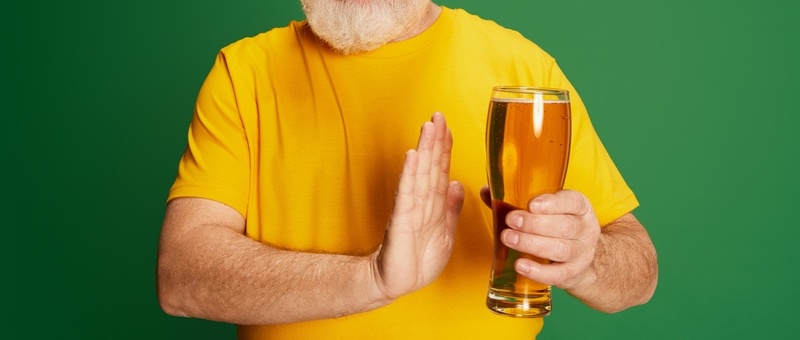
As Christmas and New Year celebrations fill our calendars, it can be easy to over-do the festive drinking. By the time we're facing January, this can leave our bodies and minds in poor health. How can we enjoy festive drinking in a safe and healthy way?
Binge drinking at Christmas and New Year
"Christmas and the New Year are a time when friends and family get together. It's also a time for over-indulgence, which can mean we end up drinking more than we would like," explains Andrew Misell, director for Wales at Changement d'Alcool UK.
While enjoying d'alcool over the festive season can be fun, it can also easily get out of control when our December diaries fill up with parties and dinners. Too much alcohol can cause us to make bad decisions, land us in unsafe situations and damage our health.
At Christmas time, we can also feel pressure to drink heavily, as Drinkaware Royaume-Uni points out: "Whether you face juggling families, work and friends with festive celebrations or whether this time of year is particularly tough for you, there can be a number of triggers that make you feel pressured to drink more than you usually do."
The effects and risks of heavy drinking
Festive fatigue
A lot of us will be all too familiar with the dehydration récurrents, hot flushes, and nausée which can mark a hangover after a night of binge drinking. Alcohol interferes with several physiological functions, and hangovers occur as our blood alcohol concentration levels return to normal.
Over the Christmas and New Year season, drinking too much at regular intervals can take its toll. Alcohol can reduce the amount of rapid eye movement (REM) sleep we get. REM sleep is essential, good-quality sleep, and if we're missing out on this regularly, we can feel constantly low in energy.
Drunken decisions
The choices we make while intoxicated can have consequences. A little embarrassment caused from the memory of hogging the karaoke machine may be harmless, but sometimes our decisions can affect our physical or mental well-being.
"With more people than usual in the house, old tensions and niggles can arise, and alcohol can make that even worse," points out Misell.
Alcohol can also aid conflicts with work colleagues, which can lead to official warnings and professional setbacks. From kissing a colleague to passing out drunk, Drinkaware's recherche reveals that more than a quarter of us have regretted something we did while drinking at a work Christmas party.
Accidents and injury
Drinking alcohol also increases our chances of accidents and injury. Alcohol is a depressant, which means it suppresses the brain activity associated with inhibition. This can mean that the warning signals normally sent from the brain to our muscles may not work, and our response to danger is much slower.
La Institut des Études sur l'Alcool describes the other ways in which alcohol puts us at risk: "Alcohol has a range of psychomotor and cognitive effects that increase accident risk on reaction times, cognitive processing, co-ordination, vigilance, and vision and hearing, even at low blood alcohol levels."
As a result, just under one third of alcohol-related deaths are caused by unintentional injury, according to the Organisation mondiale de la santé (WHO). Drink driving is one of the main culprits. In 2020, the latest data available, there were around 1,490 road deaths or serious injuries caused by drinking alcohol in Great Britain.
The five most common accidents caused by alcohol:
Road accidents.
Domestic accidents.
Fires.
Drownings.
Workplace accidents.
Long-term health implications
Drinkaware warns of the long-term health issues that drinking too much can cause: "In the long run, it can significantly increase your risk of developing a range of diseases if you're regularly drinking over the recommandé 14 units a week."
Regularly drinking over the government's recommended amount may lead to:
Alcool dependence and addiction.
Certains les cancers.
Stomach disorders.
Severe inflammation of the pancreas (pancréatite).
Santé mentale problems - including dépression, l'anxiété, and attaques de panique.
Brain disorders - including démence, Wernicke's encephalopathy and Korsakoff syndrome.
Muscle and heart muscle disease.
Damage to nervous tissue.
Obésité and associated health risks.
Drinking safely over Christmas and New Year
These consequences of binge drinking range from the inconvenient to the potentially fatal. While Christmas and New Year are all about merriment, no one should be taking a break from looking after their health.
"If you want to feel festive rather than frazzled, it's a good idea to make a plan in advance, of how much you want to drink, and try to stick to it," advises Misell.
"The Alcohol Change Try Dry app is the perfect way to keep track of how much you're drinking, how many units you've had and how much you've spent. And if you're planning on doing Dry January in the New Year, you can use it to track your dry days and savings."
Festive safe drinking tips
Stick to the UK Chief Medical Officers' low-risk drinking guidelines of less than 14 units of alcohol a week - typically six pints of beer or six medium glasses of wine - spread over several days.
Plan at least three drink-free days every week. Think about them in advance and plan what you will do instead - maybe an invigorating post-lunch walk, festive online quiz, or a family board games night.
Switch to a low-alcohol or alcohol-free drink. There are so many to choose from so why not try some festive alcohol-free cocktails.
Always eat before you drink. This slows down the rate that alcohol is absorbed into your system.
Avoid starting drinking too early, before or at the start of a festive event.
Think about what drinks you'll enjoy and cut out the ones that you won't.
Sélections des patients pour Conseils sur l'alcool

Mode de vie sain
Boissons à base de cétones : une alternative à l'alcool pétillante et sûre ?
Les boissons à base de cétones sont commercialisées comme des boissons sans alcool pouvant vous procurer une sensation similaire à celle de boire deux ou trois verres de bière ou de vin. Mais que dit la science ? Avant d'investir, nous expliquons ce que sont les cétones, explorons leurs bienfaits prouvés pour la santé, et nous demandons si les anecdotes de TikTok et les affirmations marketing ne prennent pas le pas sur les faits en ce qui concerne l'effet sans alcool.
par Amberley Davis
Mode de vie sain
Quels sont les risques de l'alcool en vieillissant ?
L'alcool présente des risques pour la santé de toutes les personnes. Mais en vieillissant, notre corps est moins capable de faire face à ses effets, et les préoccupations pour la santé augmentent encore davantage. Cela inclut notre risque de développer plusieurs cancers, la probabilité de se casser un os après une chute mineure, des temps de réaction plus lents et de mauvaises réactions aux médicaments.
par Victoria Raw
À propos de l'auteurVoir la biographie complète

Amberley Davis
Rédacteur senior
BA (Hons), CPD
Amberley est une rédactrice senior chez Patient et a écrit de manière approfondie sur une gamme de sujets liés à la santé et au bien-être.
À propos du critiqueVoir la biographie complète

Dr Krishna Vakharia, MRCGP
Médecin-chef pour la santé, Optum UK
MBChB, MRCGP(2013), BMedSci (hons), DFSRH, DRCOG, PGDipDerm (Distn)
Le Dr Krishna Vakharia est un médecin généraliste du NHS. Elle est également examinatrice régulière pour le diplôme de troisième cycle en dermatologie pratique à l'Université de Cardiff, ainsi que médecin-chef pour la santé chez Optum UK.
Historique de l'article
Les informations sur cette page sont examinées par des cliniciens qualifiés.
Article également disponible en Anglais, Allemand, Espagnol, Français, Italien, Portugais, Hindi, Hébreu, Arabe, and Suédois.
16 Dec 2022 | Dernière version
2 Dec 2021 | Publié à l'origine
Écrit par :
Amberley Davis

Demandez, partagez, connectez-vous.
Parcourez les discussions, posez des questions et partagez vos expériences sur des centaines de sujets de santé.

Vous ne vous sentez pas bien ?
Évaluez vos symptômes en ligne gratuitement
Inscrivez-vous à la newsletter Patient
Votre dose hebdomadaire de conseils de santé clairs et fiables - rédigés pour vous aider à vous sentir informé, confiant et maître de la situation.
En vous abonnant, vous acceptez notre Politique de confidentialité. Vous pouvez vous désabonner à tout moment. Nous ne vendons jamais vos données.
Plus sur la vie saine
- 10 habitudes quotidiennes pour une perte de poids saine
- Établir des limites saines pour un nouveau départ en début d'année
- Certains aliments peuvent-ils imiter les effets des injections pour perdre du poids ?
- TCC pour l'insomnie : comment ça fonctionne ?
- Comment Wegovy fonctionne-t-il pour la perte de poids ?
- Comment la procrastination du coucher par vengeance affecte votre santé - et comment l'éviter
- Comment rétablir votre rythme de sommeil avec une routine de coucher saine
- Comment prendre soin de votre santé mentale cet hiver
- Comment parler à votre enfant de son poids
- Le Pilates est-il bon pour perdre du poids ?
- La course est-elle mauvaise pour vos genoux ?
- Améliorez votre vie réelle : 6 conseils santé indispensables pour chaque joueur
- Insomnie pendant la grossesse : comment mieux dormir pendant la grossesse
- Qu'est-ce que la 'bonne santé mentale' ?
- Qu'est-ce que le rucking et est-ce fait pour vous ?
- En quoi consiste le défi de marche 6-6-6 ?
- Ce que la Coupe du Monde peut nous apprendre sur le maintien de l'activité
- Pourquoi utilisons-nous l'humour noir comme mécanisme d'adaptation ?
- Pourquoi nos cerveaux sont accros aux mauvaises nouvelles