Qu'est-ce que la précarité énergétique et comment affecte-t-elle notre santé ?
Revu par Dr Krishna Vakharia, MRCGPRédigé par Lydia SmithPublié à l'origine 9 nov. 2022
Respecte les directives éditoriales
- TéléchargerTélécharger
- Partager
- Language
- Discussion
- Version audio
- Ajouter aux sources préférées sur Google
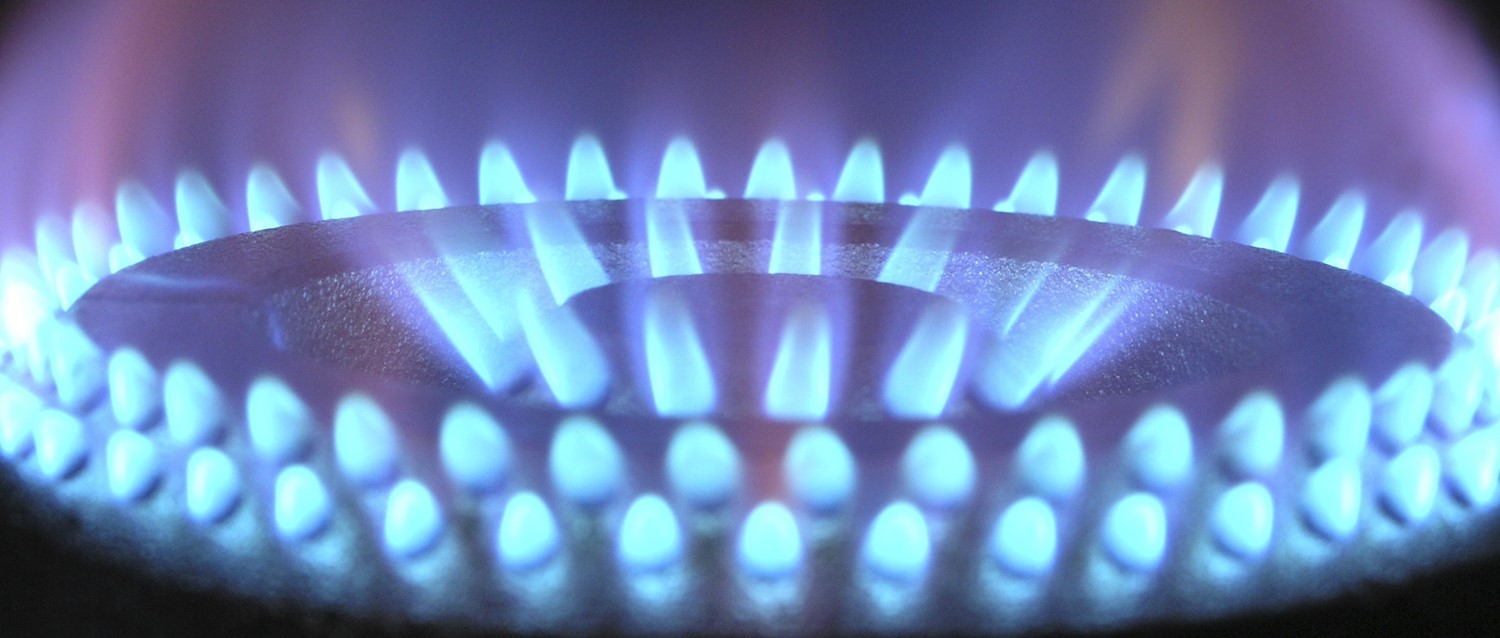
The soaring cost of living and rise in gas prices has led to a surge in the number of households struggling to afford heat and electricity. The energy crisis has led to a sharp rise in fuel poverty, but what exactly does this mean?
What is fuel poverty?
Fuel poverty means being unable to afford to heat your home to a safe and comfortable standard. A household is usually classed as being in fuel poverty when they spend ten percent or more of their net income on fuel.
There are a number of factors that contribute to fuel poverty. Low or stagnant incomes, high fuel prices, unaffordable housing prices, and poor quality rental housing can have an impact on people's ability to heat their homes.
A rise in energy costs has led to a significant increase in fuel poverty in the UK. In April 2022, average household energy bills increased by by 54% from £1,277 to £1,9711 - and rose again to £2,500 in October2. As a result, an increasing number of people are struggling financially and having to make difficult decisions, such as choosing between heating their homes and buying food.
Between October 2021 and April 2022, National Energy Action estimated that the number of UK households in fuel poverty increased from 4.5 million to 6.5 million3. More people are expected to be plunged into fuel poverty as hiver sets in.
How does fuel poverty affect health?
Fuel poverty has a detrimental impact on our health and wellbeing. Some existing health conditions can be affected badly by cold and others can be brought on as a result of prolonged exposure to the cold. Living in a cold, damp home can increase the risk of cardiovascular problems, especially among vulnerable people such as the elderly.
In cold temperatures, blood tends to thicken, leading to an increase in pression artérielle and increased risk of crise cardiaque et AVC as the heart works harder to pump blood around the body4.
Being cold also affects our body's ability to fight off infection. Lung conditions and coughs can develop into a more serious problem, such as pneumonie.
Cold conditions in a home can also contribute to dampness and mould growth, which can lead to problèmes respiratoires. Mould spores and dust mites in the air can cause allergic reactions, which in turn can cause issues for people with respiratory illnesses such as asthme.
Fuel poverty can also impact santé mentale, leading to niveaux de stress, anxiété et la dépression.
How does fuel poverty affect children?
Children in cold homes are more than twice as likely to suffer from problèmes respiratoires when compared to those in dry and warm homes5.
Poverty is a known risk factor when it comes to poor santé mentale and living in a cold home can also have a negative impact on children’s education, as those with health issues caused by cold, damp homes may need time off school6. Children living in poverty may also struggle to concentrate on school if they are hungry or tired.
How to get help with fuel poverty
Speak to your energy supplier
If you're struggling to afford your bills, speak to your supplier to see if you can alter your payment plans. Providers have ways to be able to support their customers, so talking to them as soon comme possible is important to tackle fuel poverty.
Seek financial support
There are various ways to get support if you’re struggling financially. You can check if you are eligible for benefits on Gov.uk. The government will send you a 'cost of living payment' if you get certain benefits, such as Universal Credit, PIP or Attendance Allowance. You will also be eligible if you are over State Pension age and get Winter Fuel Payments.
You may be able to apply to your council’s local welfare assistance scheme. Each local authority runs their own scheme - some offer small grants or food vouchers.
Get help via a charity
Some charities offer support services and help people access grants and benefits, including Turn2Us and the debt charity StepChange. Citizens Advice also has helpful information regarding energy bills, benefits and financial support.
It's important not to struggle alone, even though it can be challenging to talk about financial worries.
Pour en savoir plus
UK Parliament: Domestic energy prices
Energy Saving Trust: How will energy bills go down?
National Energy Action: Energy crisis
NHS England: Cold weather increases risk of heart attack and stroke
Sélections des patients pour Conditions environnementales
Santé générale et mode de vie
5 bienfaits des abeilles pour votre santé
They may be unwelcome at our picnics and pub garden lunches, but the health of the bee population plays an important role in our own health and wellbeing. Let's take a moment to look beyond the fear of being stung and at the unique behaviours that make these small insects so interesting.
par Lynn Stephen

Santé générale et mode de vie
Qu'est-ce que la maladie due au changement de temps ?
If you've ever felt under the weather when the seasons change - or when temperatures have significantly soared or plummeted - then you're not alone. Weather change sickness describes the effects of dramatic changes in weather on our physical health. While these changes alone can't directly make us ill, they are linked to several factors that can make us feel run-down at different points of the year.
par Lynn Stephen
À propos de l'auteurVoir la biographie complète
Rédigé par

Lydia Smith
Rédacteur de reportages
Licence, Master, MSc
Lydia Smith est une journaliste primée et rédactrice spécialisée qui a beaucoup écrit sur la santé des femmes et la santé mentale. Elle prépare actuellement un MSc en psychologie.
À propos du critiqueVoir la biographie complète

Dr Krishna Vakharia, MRCGP
Médecin-chef pour la santé, Optum UK
MBChB, MRCGP(2013), BMedSci (hons), DFSRH, DRCOG, PGDipDerm (Distn)
Le Dr Krishna Vakharia est un médecin généraliste du NHS. Elle est également examinatrice régulière pour le diplôme de troisième cycle en dermatologie pratique à l'Université de Cardiff, ainsi que médecin-chef pour la santé chez Optum UK.
Historique de l'article
Article également disponible en Anglais, Allemand, Espagnol, Français, Italien, Portugais, Hindi, Hébreu, Arabe, and Suédois.
9 nov. 2022 | Publié à l'origine
Écrit par :
Lydia SmithRevu par
Dr Krishna Vakharia, MRCGP
Participez à la conversation
Partagez vos pensées ou expériences avec les autres dans notre communautés de patients.

Demandez, partagez, connectez-vous.
Parcourez les discussions, posez des questions et partagez vos expériences sur des centaines de sujets de santé.

Vous ne vous sentez pas bien ?
Évaluez vos symptômes en ligne gratuitement
Inscrivez-vous à la newsletter Patient
Votre dose hebdomadaire de conseils de santé clairs et fiables - rédigés pour vous aider à vous sentir informé, confiant et maître de la situation.
En vous abonnant, vous acceptez notre Politique de confidentialité. Vous pouvez vous désabonner à tout moment. Nous ne vendons jamais vos données.