
Passez un Ramadan heureux et en bonne santé
Revu par des pairs par Dr Krishna Vakharia, MRCGPDernière mise à jour par Amberley DavisDernière mise à jour 9 févr. 2024
Respecte les directives éditoriales
- TéléchargerTélécharger
- Partager
- Language
- Discussion
- Version audio
- Ajouter aux sources préférées sur Google
Selon l'endroit où vous vous trouvez dans le monde, le Ramadan 2024 commence le 10 ou le 11 mars. Nous explorons ce que ce festival peut faire pour votre corps et votre esprit et partageons des conseils de santé d'experts, afin que vous puissiez rendre ce Ramadan aussi heureux et sain que possible.
The health benefits of Ramadan
For Muslims around the world, the Holy month of Ramadan is a special time of spirituality, self-improvement, and reflection. The practice of fasting from dawn to dusk is one of the key pillars of Islam, bringing Muslims closer to Allah and their loved ones. Alongside spiritual wellness, there are other health benefits to this holy month.
Benefits of fasting
Fasting during the month of Ramadan is a mindful act that encourages self-discipline, empathy, generosity, and many other positive qualities. Although you're fasting for your religion and not your health, in the last 10-15 years scientific research has been shedding more light on the many ways this act can benefit for you.
The bulk of this research is focused on jeûne intermittent, a style of fasting that also describes the Ramadan ritual - not eating for a prolonged, set period each day and restricting food to scheduled times.
There's now strong evidence that this flips the metabolic switch - routinely changes how your body uses up energy - and that this triggers reactions in your body that may boost your mental and physical health, including better resistance to diseases such as1:
Degenerative brain diseases.
This field of research is making new discoveries all the time, and ongoing trials are also looking into intermittent fasting for le cancer, asthme, l'arthrite, and sclérose en plaques. The positive effects of this fasting style are significant and research is now identifying a trend between intermittent fasting and living for longer1.
Aids weight loss
When you are fasting intermittently, your body becomes more efficient at burning energy. Studies of weight loss during Ramadan show that many people end the holy month with less fat2 and slimmer waists3. This is important because a large waist circumference increases your risk of several problems, like coronary heart disease and diabetes.
Improves heart health
The way that your body uses energy during metabolic switching has also been shown to lower l'hypertension artérielle, niveaux de cholestérol, and heart rate1. In turn, this lowers your risk of cardiovascular diseases, including AVC, obesity, and type 2 diabetes4.
Helps to manage or prevent type 2 diabetes
One of the most researched benefits of Ramadan fasting is reduced la résistance à l'insuline. This means that your cells become better at controlling the amount of sugar in your blood - called your blood glucose levels - which helps prevent or manage type 2 diabetes.
However, results are mixed and more research is needed to better understand how Ramadan fasting effects insulin sensitivity5.
Boosts brain health
Scientists are also finding that daily calorie restriction could be good for your brain, because it boosts the production of new brain cells. Long-term, this may significantly improve memory6 and even slow the progress of age-related neurological diseases7.
Although Ramadan fasting is temporary, evidence shows that brain cells still increase over this short period, suggesting benefits can be experienced in the short-term8.
Supports physical fitness
Intermittent fasting can trigger your body to use energy more efficiently and this can have noticeable physical benefits. For example, some people doing this fasting pattern have found that they have better endurance while running1.
Benefits of traditional food
The kind of foods you eat before dawn (suhoor) and after sunset (iftar) will vary depending on where you are in the world, but healthy eating in Ramadan is possible - there are some widespread favourites packed with nutrients that can support you during fasting hours.
Knowing how these foods keep you going during Ramadan can help you to keep choosing healthier options during suhoor and iftar.
Some of the healthiest options include:
Dates
These nutritious sun-dried fruits are customary because they were one of Prophet Muhammad's most desired foods. Dates are packed with les glucides, fibres, and important vitamins and minerals that boost energy levels, support the digestive system, and improve brain, nerve, and muscle function.
Fresh fruit
Healthy eating in Ramadan often involves plenty of fresh fruit. These help to load you with vitamins and rehydrates you in between fasting hours. Popular fruits during suhoor and iftar include:
Melons - 90% water and great for relieving tummy ache and other stomach problems.
Pomegranate seeds - contain antioxidants and important vitamins, and aids digestion.
Bananas - easy to digest and a great source of energy.
Fish and chicken
Unprocessed, non-fatty, and high-protein meats like fish and chicken help to make your dishes filling yet light.
Trying to digest a heavy meal throughout the day can make you feel more groggy and tired, and could cause stomach problems like reflux acide, gas, and bloating. Fish is also high in omega-3 fatty acids which can keep your brain sharp and mood up.
Lentilles
Lentils add bulk to a variety of popular Ramadan dishes - including soups and dhals - and are packed with protéines, fibre, and complex carbs to help you burn energy slowly throughout the day. They also feed your gut with good bacteria and can lower cholesterol and blood sugar.
Benefits of habit breaking
Because you will be fasting for a month, Ramadan is the perfect time to ditch any bad habits for good, like fumer et sugary food. It might feel like a whole other challenge to refrain from smoking once it's no longer a religious observation, but research does indicate that many Muslims find it easier to control their long-term cravings post-Ramadan.
A faith-based quit smoking intervention during Ramadan
During Ramadan 2015, an experimental behavioural intervention programme was trialled on Malay male smoking Muslims. The programme included religious rulings on smoking, and materials on how Ramadan can be an opportunity to quit permanently. A significant number of those taking part in the programme were able to break the habit of smoking after Ramadan ended9.
Benefits of family time
Sharing in the rituals and traditions with your family and friends can create a real sense of togetherness - one of the most obvious benefits of Ramadan. This is especially important if fasting becomes challenging.
Smriti Joshi, a lead psychologist at Wysa, says: "For some, the thought of not being able to follow or stick to fasting during this holy month can bring up difficult feelings like sadness, shame, and embarrassment."
However, there are plenty of Holy month activities that bring families together - perhaps more than any other time in some households - and these moments can be really special and fulfilling. They can be a powerful counter measure to the fear of isolation, which Joshi says can be a real mental health risk during fasting.
Family togetherness at Ramadan:
Enjoying family time during iftar and suhoor.
Helping your parents prepare food for iftar or suhoor.
Inviting your wider family over for suhoor.
Carrying out charitable tasks as a family.
Going to the mosque together.
Praying tahajjud together.
Celebrating Eid al-Fitr, the end of Ramadan, feasting and exchanging gifts with family and friends.
Make this Ramadan a healthy and happy one
We've looked at how Ramadan can nurture both body and mind. What else can you do to make this Ramadan your happiest yet?
Top tips
Drink plenty of fluids at iftar and suhoor - and avoid too much dehydrating salty foods.
Counteract changing sleep patterns by eating foods that promote good quality sleep - "when our bodies aren't fuelled sufficiently, it means our brains aren't either - and this can mean we don't sleep well," says Joshi.
Think about any unhealthy habits you're abstaining from and take it as proof that you have the ability to break them after Ramadan.
If changing diet habits cause de la constipation - opt for high-fibre foods and try light exercise after iftar.
Pour en savoir plus
Sélections des patients pour Alimentation saine

Régime et nutrition
Pourquoi l'estomac pour le dessert pourrait être réel
En peinant à finir ce qu'il y a dans votre assiette, vous vous installez confortablement dans votre chaise. Le serveur apparaît avec un menu de desserts et, alors que votre estomac plein appuie contre votre ceinture, vous vous entendez dire "oui, s'il vous plaît" - mais pourquoi ? Il s'avère que l'estomac à dessert - le phénomène d'avoir de la place pour une douceur après avoir terminé votre plat principal - pourrait être soutenu par la science. Ici, nous examinons ce que c'est et ce que vous pouvez faire pour éviter la tentation du dessert.
par Amberley Davis
Régime et nutrition
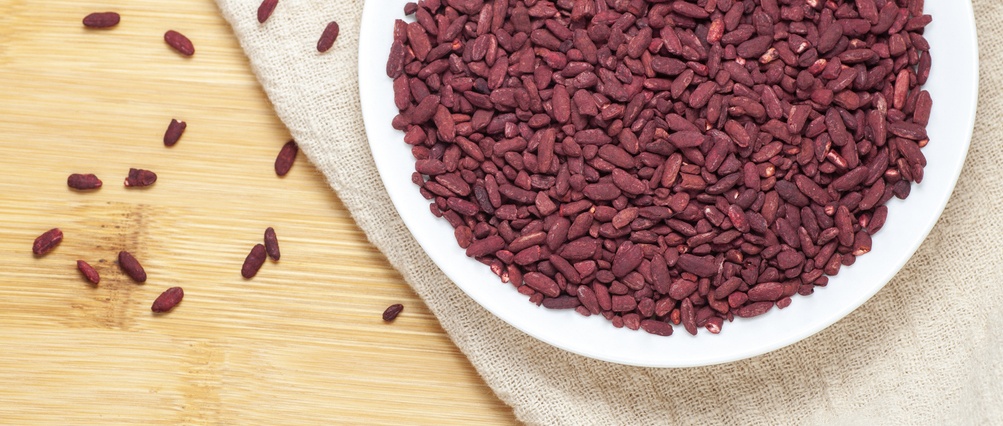
Le riz de levure rouge peut-il réduire votre cholestérol ?
L'extrait de levure de riz rouge est utilisé depuis des siècles dans la médecine traditionnelle chinoise. Avec une liste d'avantages pour le bien-être associés à son nom, il a récemment gagné en popularité en tant que complément alimentaire. Mais quels sont les avantages pour la santé du riz de levure rouge, et y a-t-il des effets secondaires ?
par Victoria Raw
À propos de l'auteurVoir la biographie complète

Amberley Davis
Rédacteur senior
BA (Hons), CPD
Amberley est une rédactrice senior chez Patient et a écrit de manière approfondie sur une gamme de sujets liés à la santé et au bien-être.
À propos du critiqueVoir la biographie complète

Dr Krishna Vakharia, MRCGP
Médecin-chef pour la santé, Optum UK
MBChB, MRCGP(2013), BMedSci (hons), DFSRH, DRCOG, PGDipDerm (Distn)
Le Dr Krishna Vakharia est un médecin généraliste du NHS. Elle est également examinatrice régulière pour le diplôme de troisième cycle en dermatologie pratique à l'Université de Cardiff, ainsi que médecin-chef pour la santé chez Optum UK.
Historique de l'article
Les informations sur cette page sont examinées par des cliniciens qualifiés.
Article également disponible en Anglais, Allemand, Espagnol, Français, Italien, Portugais, Hindi, Hébreu, Arabe, and Suédois.
9 févr. 2024 | Dernière version
17 Mar 2023 | Publié à l'origine
Écrit par :
Amberley Davis

Demandez, partagez, connectez-vous.
Parcourez les discussions, posez des questions et partagez vos expériences sur des centaines de sujets de santé.

Vous ne vous sentez pas bien ?
Évaluez vos symptômes en ligne gratuitement
Inscrivez-vous à la newsletter Patient
Votre dose hebdomadaire de conseils de santé clairs et fiables - rédigés pour vous aider à vous sentir informé, confiant et maître de la situation.
En vous abonnant, vous acceptez notre Politique de confidentialité. Vous pouvez vous désabonner à tout moment. Nous ne vendons jamais vos données.
Plus sur l'alimentation et la nutrition
- 6 baies délicieusement saines et recettes
- 7 recettes de nouilles faciles et délicieuses pour les étudiants
- 7 recettes de salades légères pour les chaudes journées d'été
- Les édulcorants artificiels sont-ils vraiment si mauvais pour nous ?
- Date de péremption : combien de temps les aliments sont-ils réellement bons ?
- Changer votre alimentation peut-il améliorer le SPM ?
- Aliments pour renforcer votre système immunitaire cet hiver
- Les shots de gingembre pour la santé : mode ou réalité ?
- Aliments sains pour Hanoucca pour votre poids, cœur et diabète
- Quelle est la santé de l'eau aromatisée ?
- Combien de protéines avez-vous besoin pour développer vos muscles ?
- Kimchi et choucroute : Quels sont les bienfaits de la consommation d'aliments fermentés ?
- Gérer les problèmes de santé pendant le Ramadan
- Manger en pleine conscience : comment ralentir et apprécier votre nourriture
- Les 5 meilleurs aliments probiotiques pour un intestin sain
- Le régime de longévité - peut-il ajouter des années à votre vie ?
- Que sont les probiotiques ?
- Quels sont les bienfaits pour la santé des aliments épicés ?
- Qu'est-ce que le régime coréen ?
- Pourquoi les aliments ultra-transformés sont-ils si addictifs - et comment réduire leur consommation