Why does drinking alcohol affect your sleep?
Peer reviewed by Dr Krishna Vakharia, MRCGPLast updated by Victoria RawLast updated 4 Dec 2024
Meets Patient’s editorial guidelines
- DownloadDownload
- Share
- Language
- Discussion
- Audio Version
- Add to preferred sources on Google
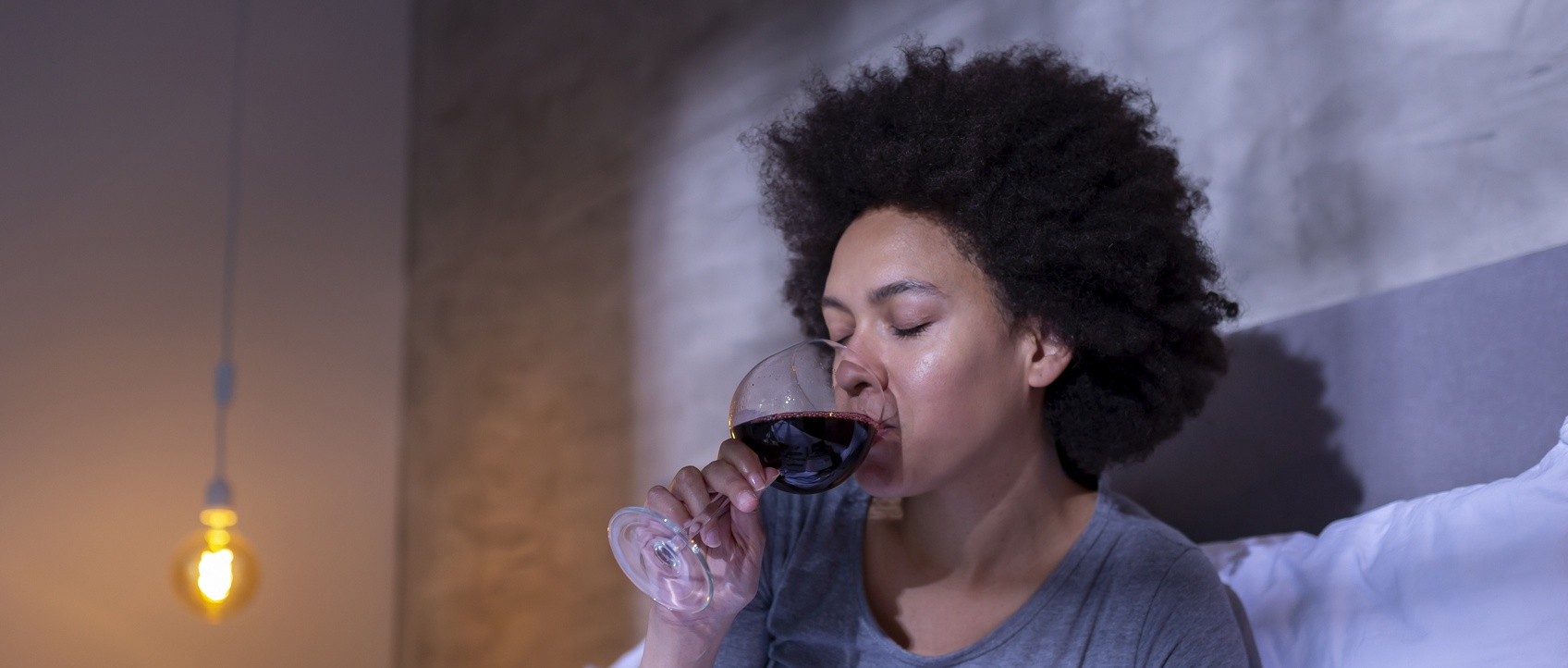
Sometimes after drinking, it can feel like you're asleep before your head hits the pillow. However, in truth, the rest of your night's sleep will be disturbed by the alcohol in your system. You might wake up more than usual in the night - and feel exhausted in the morning. But why does alcohol affect your sleep?
How alcohol affects your sleep
Disrupted sleep
At first, drinking alcohol can make you feel sleepy and relaxed, because it has a sedative effect on your central nervous system. Although this means you might fall asleep quicker, drinking too much alcohol has been linked to poor sleep quality, which means you're more likely to have a bad night's sleep.
After you drink alcohol, it is absorbed into your bloodstream and processed in the liver. How long this takes can depend on many factors - including the amount of alcohol, your age, how much you've eaten, your sex, and your body type.
If you fall asleep after drinking too much, your body will continue to break down the alcohol during the night. As your body works to lower your blood alcohol level, you may experience disrupted sleep and wake up more often than usual.
In turn, this affects all the different phases of sleep we get a night - which are usually finely tuned to make sure we are rested and our brains can function properly. This includes disrupting our restful deep sleep, or REM sleep, leading to more periods of wakefulness.
The occasional bad night's sleep may be unpleasant, but is unlikely to have a lasting effect. However, studies have shown that a continuous lack of REM sleep can negatively affect memory and learning, may impact our emotional abilities and increase the chance of migraine. Poor sleep has also been linked to an increased likelihood of mental health problems such as anxiety and depression, hypertension, obesity, heart attack and stroke.
Alcohol and toilet trips
If you drink alcohol before bed, you may also find yourself getting up more often in the night to go to the toilet. Alcohol is a diuretic, which means you pee and sweat more. This can also make you feel even more dehydrated.
Alcohol and sleep apnoea
Research has also shown that alcohol use can worsen the symptoms of sleep apnoea, a disorder in which your breathing stops and starts while you sleep. The most common type is called obstructive sleep apnoea. Even if you don't have the condition, studies show that moderate or heavy drinking can cause episodes of obstructive sleep apnoea.
Why drinking makes you snore
Drinking alcohol relaxes the muscles around your throat, making you more likely to snore too. This is because alcohol can make the tissue in the nose swell, which can cause congestion and create a need to breathe through the mouth, making you snore. Snoring may well disturb your own sleep by waking you up - but it is likely to cause problems for partners too.
Is a nightcap before bed still ok?
The short answer is - no. Some people feel that drinking alcohol before bed helps them doze off better. However, though it may get you to sleep quicker in the short term, you'll most likely wake up in the night as a result. Aim to have finished your final drink at least three hours before you go to bed.
How to get a good night's sleep
If you're relying on alcohol to fall asleep, you should seek out healthier alternatives. You can do this by speaking to your doctor, practicing mindfulness techniques, or by incorporating regular sleep schedules and calming bedtime routines. Avoid napping during the day, don't smoke or drink caffeine before bed, and cut down on your screen time as you're settling down to sleep.
Alcohol guidelines
Men and women are advised not to drink more than 14 units of alcohol a week. It helps to know how many units are in a drink - 14 units is the same as six pints of average-strength beer or ten small glasses of lower-strength wine.
If you want to cut down, it can help to have several drink-free days each week. If you're at a party, you could try opting for a soft drink or glass of water between alcoholic drinks, which will help keep you hydrated and mean you drink less alcohol over the night.
You can use our alcohol units calculator to work out how many units are in your drinks.
Patient picks for Alcohol advice
Healthy living
Where to find support if you have been a victim of drink spiking
Seeking support after having your drink spiked can be a scary thing, especially if you can't remember what happened. But while it can be traumatic, it's important to alert someone to what happened to reduce the chance of serious medical complications and long-term psychological effects. There is plenty of support out there for victims of drink spiking, and various treatments are offered to help you feel safe again.
by Emily Jane Bashforth

Healthy living
How does alcohol affect your body temperature?
Common signs of alcohol intoxication might seem familiar to us. But understanding the effects of alcohol on our insides can be a different story. While flushed cheeks, sweating, and hot flushes make us feel warm, our core body temperature is actually dropping. When does this become dangerous and how can we drink safely?
by Victoria Raw
About the authorView full bio

Lydia Smith
Feature writer
BA, MA, MSc
Lydia Smith is an award-winning journalist and feature writer who has written extensively on women's health and mental health. She is currently studying for an MSc in psychology.
About the reviewerView full bio

Dr Krishna Vakharia, MRCGP
Chief Medical Officer for Health, Optum UK
MBChB, MRCGP(2013), BMedSci (hons), DFSRH, DRCOG, PGDipDerm (Distn)
Dr Krishna Vakharia is an NHS GP. She is also a regular examiner for the postgraduate Diploma in Practical Dermatology at Cardiff University as well as being the Chief Medical Officer for health at Optum UK.
Article history
The information on this page is peer reviewed by qualified clinicians.
Article also available in English, German, Spanish, French, Italian, Portuguese, Hindi, Hebrew, Arabic, and Swedish.
Next review due: 4 Dec 2027
4 Dec 2024 | Latest version
17 Jan 2024 | Originally published
Authored by:
Lydia Smith
Join the conversation
Share your thoughts or experiences with others in our patient communities.

Ask, share, connect.
Browse discussions, ask questions, and share experiences across hundreds of health topics.

Feeling unwell?
Assess your symptoms online for free
Sign up to the Patient newsletter
Your weekly dose of clear, trustworthy health advice - written to help you feel informed, confident and in control.
By subscribing you accept our Privacy Policy. You can unsubscribe at any time. We never sell your data.
More in healthy living
- 8 high-protein nuts to boost your strength
- Bipolar disorder, public figures, and the line between explanation and accountability
- Can you lose weight and be body positive?
- NewDeep resting squat - can this simple posture unlock flexibility, mobility, and longevity?
- Grounding mats: can they boost your wellbeing?
- How gut bacteria affect mood, focus and brain health
- How to fix your sleep schedule with a healthy bedtime routine
- How to resist the toughest cigarette cravings
- How to spot the signs of cyberbullying
- How to stop ‘mum guilt’ from impacting your mental health
- How to stop snoring ruining your sleep
- Should you take regular breaks from drinking alcohol throughout the year?
- Smoking effects on skin: from ageing to illness
- The most common reasons you're not losing weight
- Walk, jog, repeat: what is Jeffing?
- Weekend workouts might be enough for your health
- What are the benefits of Pilates?
- What is 'Skinnymaxxing' - and why are health experts concerned about it?
- Why new year's resolutions fail - and what you can do about it
- Why spending time outdoors can improve your health