Poo - what's normal?
Peer reviewed by Dr Krishna Vakharia, MRCGPLast updated by Victoria RawLast updated 7 Aug 2024
- TéléchargerTélécharger
- Partager
Pooing is an essential bodily function. There's a huge range in how often we poo and how hard or soft our poos are. So how often - or how infrequently - is usual and when do you need to speak to a doctor?
Dans cet article :
Your poo is affected by a huge range of factors. Some of these you can't influence. Even if we eat an identical diet, some people would open their bowels more often than others. And no matter how much you want to, you can't influence ageing - constipation becomes more common with age.
Some of this is down to being less active or having a higher chance of taking medication that slows your needing to have a poo down. But with age, your gut may move digested food along less efficiently.
Poursuivre la lecture ci-dessous
How many poos a day is normal?
Most people have a fairly regular pattern of going to the toilet. Most of us go between 3 times a day and 3 times a week. Many people tend to go at about the same time every day.
Some medical conditions - such as inflammatory bowel disease (Crohn's disease and ulcerative colitis) or diverticular disease - can lead to frequent, loose poos. But if you don't have an underlying medical condition that affects many of the factors that determine how often you open your bowels relate to your diet and lifestyle.
Physical activity helps stimulate co-ordinated movements of the rings of muscle around your bowels that propel food through your digestive system (peristalsis). So being physically active doesn't just strengthen your heart and lungs - it can help keep you regular too.
What can affect the consistency of poo?
Many medicines can cause looser poos or constipation as a side effect - common examples include:
Codeine-based painkillers, sometimes called opioids - this includes combination painkillers such as co-codamol and co-dydramol, as well as very strong painkillers such as morphine.
Some antidepressants. Tricyclic antidepressants such as amitriptyline are more likely than other types to cause constipation - these are often prescribed not just for depression but for nerve pain, such as trigeminal neuralgia or postherpetic (post-shingles) nerve pain.
Some medicines used for overactive bladder.
Parkinson's disease treatments.
If you're taking medication and you feel it might be linked to constipation, your pharmacist will be able to help you.
Your poo is made up of a combination of food that hasn't been absorbed into your system, waste products, and bacteria that live naturally in your gut and water. Changes to your diet and lifestyle can alter all of these.
Fibre in your diet - wholemeal and whole grain foods, vegetables, fruits, pulses, beans and lentils are all good sources. These help bulk out your poos, allowing you to go more regularly and with less straining.
If you're dehydrated, more water from your gut will be reabsorbed into your system. This makes poos smaller, harder and more difficult to pass.
Patient picks for Bowel cancer

Le cancer
Ways to help reduce your chance of bowel cancer
There are around 44,100 new bowel cancer cases in the UK every year, that's around 120 people every day. Bowel cancer is the 4th most common cancer in the UK, accounting for 11% of all new cancer cases according to Cancer Research UK. However, whilst the overall rates of bowel cancer are falling, the number of under 50s who have the condition is increasing. No matter your age, there are many things you can do to help reduce your chance of getting bowel cancer. Here, gastroenterologist and colon cancer specialist Dr Monique van Leerdam shares her advice.
par Lawrence Higgins
Le cancer
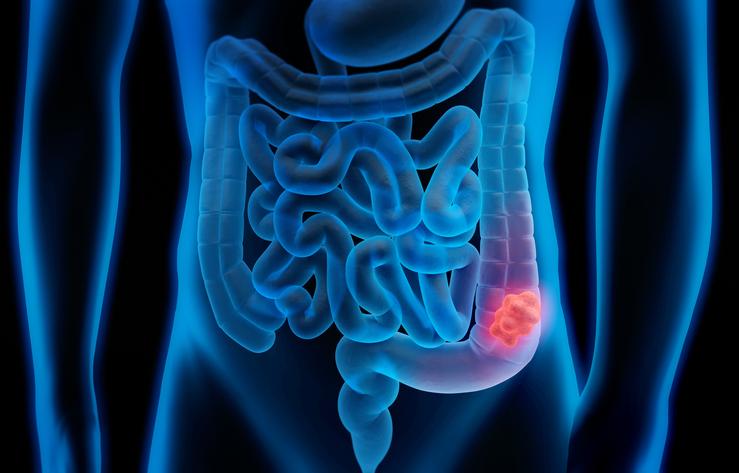
Bowel cancer
Colon cancer and rectal cancer (also called colorectal cancer) are common in the UK. The colon and rectum are parts of your bowel. Most cases occur in people aged over 50. If bowel cancer is diagnosed at an early stage, there is a good chance of a cure. In general, the more advanced the cancer (the more it has grown and spread), the less chance that treatment will be curative. However, treatment can often slow the progress of the cancer.
par le Dr Doug McKechnie, MRCGP
Poursuivre la lecture ci-dessous
How to get rid of constipation
Constipation is a common reason for people to see their doctor. It's often a long-term problem, which can be helped by making changes to your level of physical activity, as mentioned above. But if you're unwell for another reason, you may have a fever - which makes you lose more fluid - be less active, go off your food and take medicine such as strong painkillers, which can all lead to constipation.
Bowel movements and IBS
Irritable bowel syndrome (IBS) can cause bloating and tummy pain as well as constipation, diarrhoea or a combination of the two. It's a functional bowel problem. This means there's no abnormality in the structure of any individual bit of your gut, but the various parts don't work smoothly together.
Lifestyle changes and medication can help. You may be referred to a dietitian to help find foods that don't cause symptoms, but still allow you to get all the nutrients you need. Never assume your symptoms are down to IBS if you've never had them before. Speak to your doctor, who may arrange investigations to exclude other causes.
Poursuivre la lecture ci-dessous
Causes of diarrhoea
Tummy bugs and food poisoning are the most common causes of diarrhoea. Other symptoms which often go hand in hand with the diarrhoea include feeling - or being - sick, tummy cramps and sometimes fever. Most of these settle within a few days without complication.
Yellow box However, changes in your poos or going to the toilet that do not settle, or that are accompanied by any 'red flag' symptoms, should always be checked out by your doctor. That's because it could be a warning sign of cancer of the bowel. Symptoms to look out for include:
Losing weight without meaning to.
Se priver de nourriture.
Severe or persistent tummy pain.
Problems swallowing, or severe pain on swallowing.
Vomissements persistants.
Feeling very tired or looking pale.
Also, you'll usually need to be referred straight for medical assessment at the hospital if you experience:
Vomiting blood or black 'coffee grounds'.
Passing blood in your poo or black, tarry poos.
Dépistage des maladies intestinales
Across the UK, the NHS will send you a home bowel screening test kit - faecal immunochemical test (FIT). You collect a small sample of poo, send it to a lab and they will check it for any blood which can be a sign of polyps or bowel cancer.
You will receive your FIT kit at different ages depending on where you are in the country:
England - 54 to 74-year-olds. This is now being expanded to include people aged 50-53.
Northern Ireland - 60 to 74 year olds.
Scotland - 50 to 74 years.
Wales - 51 to 74 years. This is being expanded to include 50 year olds in the future.
Nous remercions le magazine "My Weekly", qui a publié cet article à l'origine.
Historique de l'article
Les informations contenues dans cette page ont été évaluées par des cliniciens qualifiés.
Prochaine révision prévue : 8 août 2027
7 Aug 2024 | Dernière version
26 Sept 2022 | Publié à l'origine
Auteur: :
Dr Sarah Jarvis MBE, FRCGP

Demandez, partagez, connectez-vous.
Parcourez les discussions, posez des questions et partagez vos expériences sur des centaines de sujets liés à la santé.

Vous ne vous sentez pas bien ?
Évaluez gratuitement vos symptômes en ligne